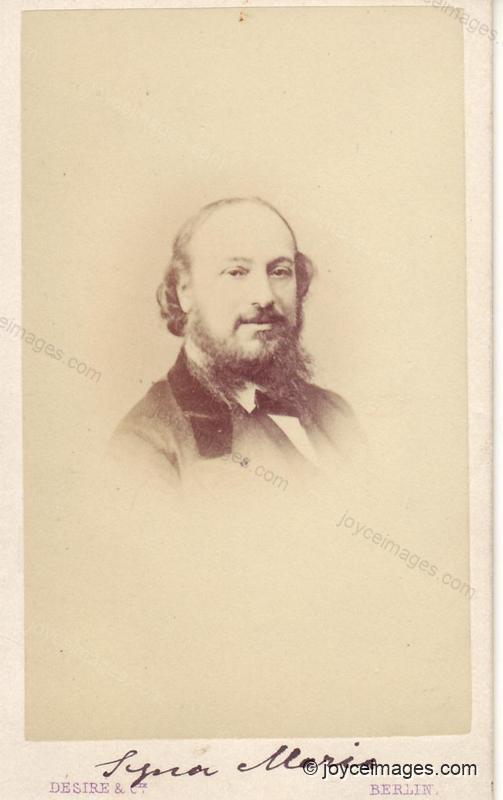
"Steered by an umbrella sword to the footlights: Mario the tenor.
- Or like Mario, Mr Bloom said.
- Yes, Red Murray agreed. But Mario was said to be the picture of Our Saviour.
Jesus Mario with rougy cheeks, doublet and spindle legs. Hand on his heart. In Martha.
Co-ome thou lost one,
Co-ome thou dear one!" (U7.53)
Mario (1810 - 1883) was an Italian opera singer, considered the most famous tenor of the 19c. His real name was Cavaliere Giovanni Matteo di Candia.
- Or like Mario, Mr Bloom said.
- Yes, Red Murray agreed. But Mario was said to be the picture of Our Saviour.
Jesus Mario with rougy cheeks, doublet and spindle legs. Hand on his heart. In Martha.
Co-ome thou lost one,
Co-ome thou dear one!" (U7.53)
Mario (1810 - 1883) was an Italian opera singer, considered the most famous tenor of the 19c. His real name was Cavaliere Giovanni Matteo di Candia.
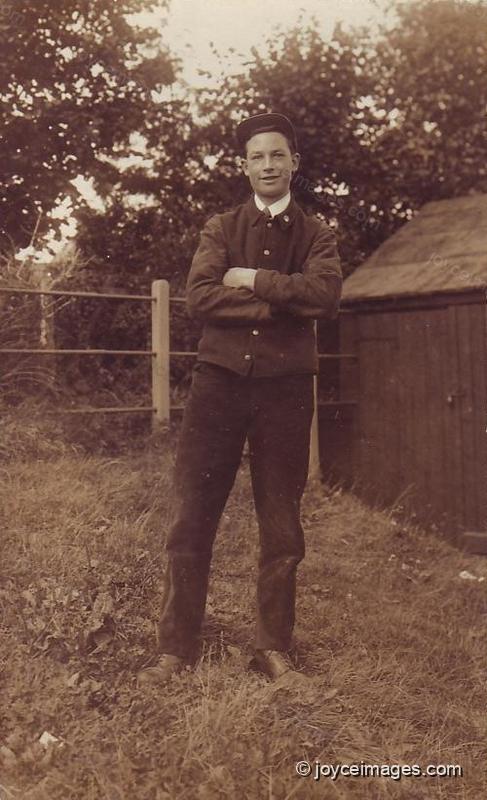
"THE CROZIER AND THE PEN
- His grace phoned down twice this morning, Red Murray said gravely.
They watched the knees, legs, boots vanish. Neck.
A telegram boy stepped in nimbly, threw an envelope on the counter and stepped off posthaste with a word:
- Freeman!
Mr Bloom said slowly:
- Well, he is one of our saviours also." (U7.61)
- His grace phoned down twice this morning, Red Murray said gravely.
They watched the knees, legs, boots vanish. Neck.
A telegram boy stepped in nimbly, threw an envelope on the counter and stepped off posthaste with a word:
- Freeman!
Mr Bloom said slowly:
- Well, he is one of our saviours also." (U7.61)
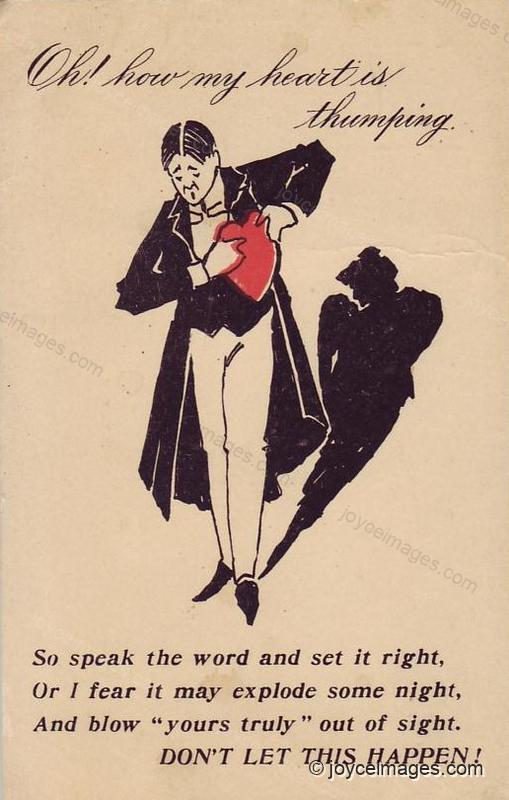
"A meek smile accompanied him as he lifted the counterflap, as he passed in through the sidedoor and along the warm dark stairs and passage, along the now reverberating boards. But will he save the circulation?
"Thumping, thumping." (U7.69)
"Thumping, thumping." (U7.69)
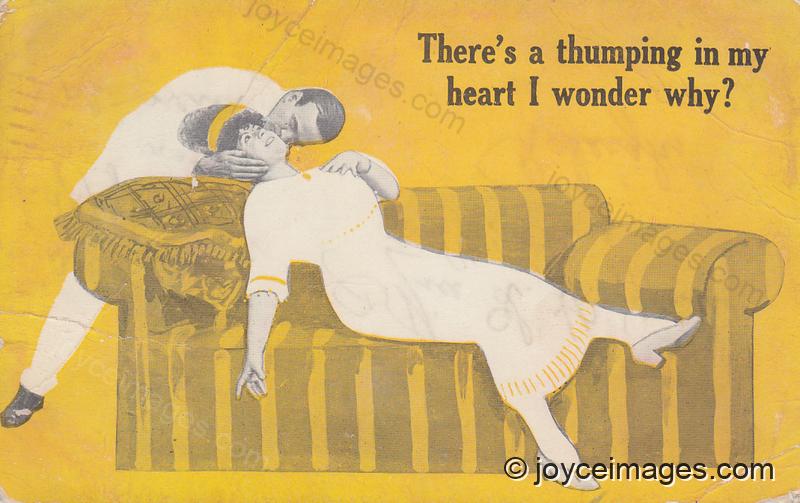
"Thumping thump." (U7.72)
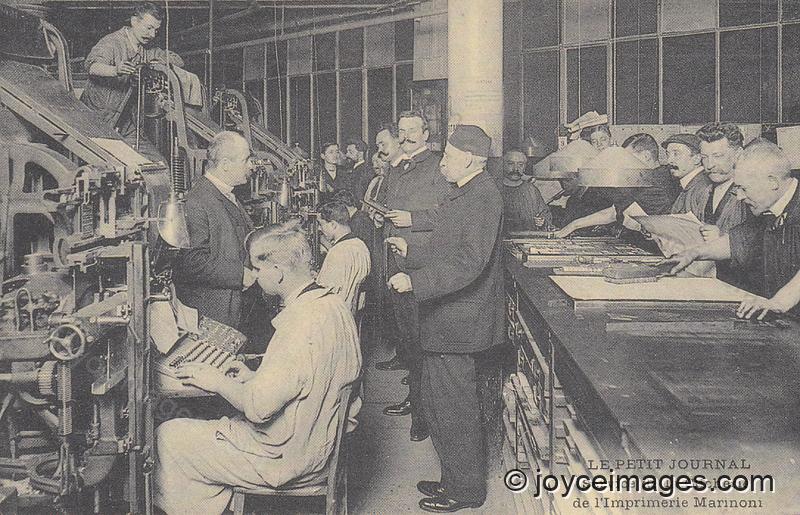
"He pushed in the glass swingdoor and entered, stepping over strewn packing paper. Through a lane of clanking drums he made his way towards Nannetti's reading closet.
Hynes here too: account of the funeral probably. Thumping thump." (U7.73)
Hynes here too: account of the funeral probably. Thumping thump." (U7.73)
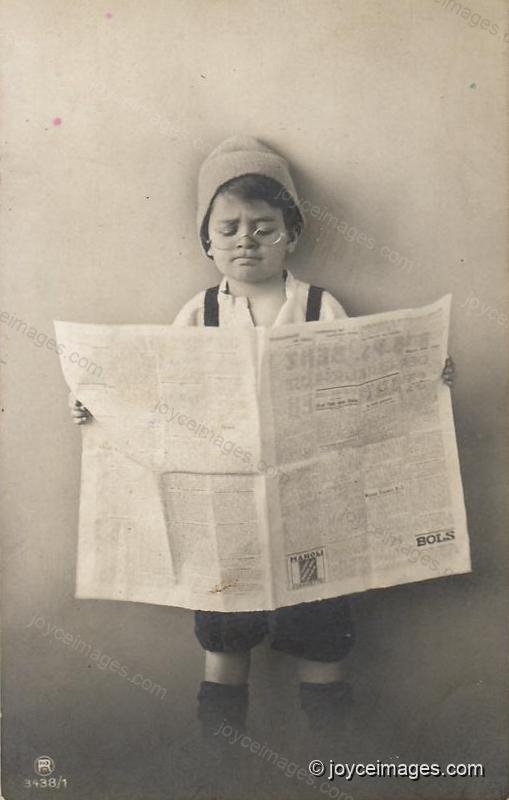
"WITH UNFEIGNED REGRET IT IS WE ANNOUNCE
THE DISSOLUTION OF A MOST RESPECTED
DUBLIN BURGESS
This morning the remains of the late Mr Patrick Dignam. Machines. Smash a man to atoms if they got him caught. Rule the world today. His machineries are pegging away too. Like these, got out of hand: fermenting. Working away, tearing away. And that old grey rat tearing to get in.
HOW A GREAT DAILY ORGAN IS TURNED OUT" (U7.77)
THE DISSOLUTION OF A MOST RESPECTED
DUBLIN BURGESS
This morning the remains of the late Mr Patrick Dignam. Machines. Smash a man to atoms if they got him caught. Rule the world today. His machineries are pegging away too. Like these, got out of hand: fermenting. Working away, tearing away. And that old grey rat tearing to get in.
HOW A GREAT DAILY ORGAN IS TURNED OUT" (U7.77)
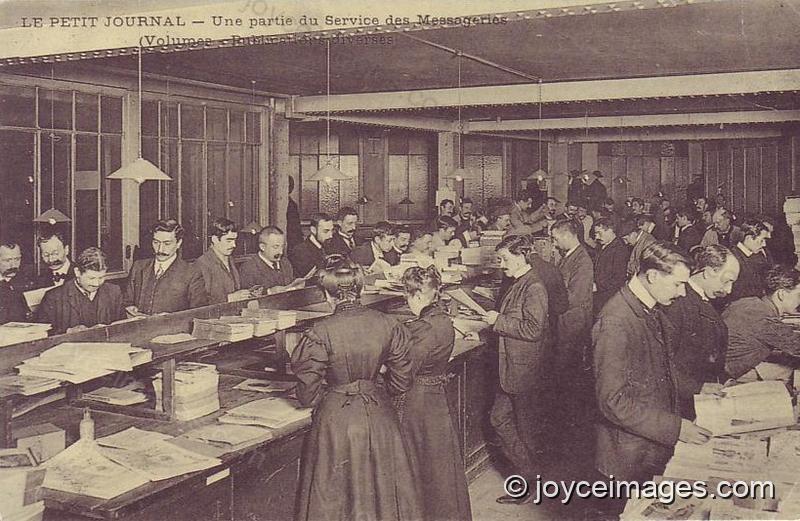
"Mr Bloom halted behind the foreman's spare body, admiring a glossy crown.
Strange he never saw his real country. Ireland my country. Member for College green. He boomed that workaday worker tack for all it was worth." (U7.84)
Strange he never saw his real country. Ireland my country. Member for College green. He boomed that workaday worker tack for all it was worth." (U7.84)
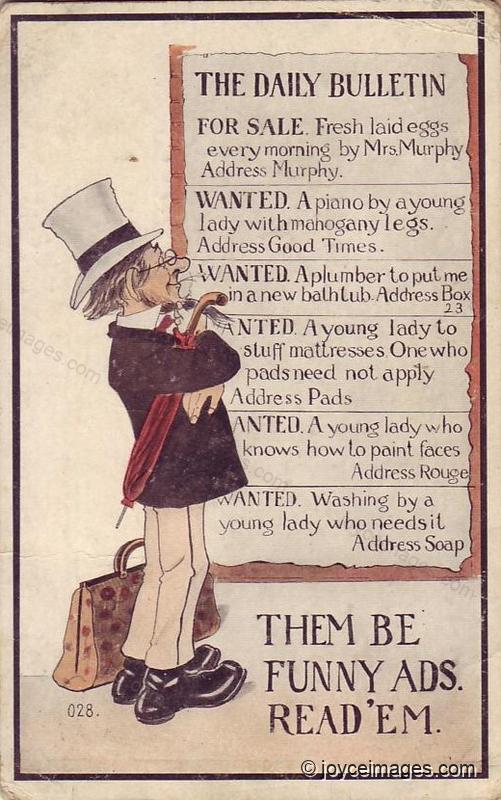
"It's the ads and side features sell a weekly not the stale news in the official gazette. Queen Anne is dead. Published by authority in the year one thousand and. Demesne situate in the townland of Rosenallis, barony of Tinnahinch. To all whom it may concern schedule pursuant to statute showing return of number of mules and jennets exported from Ballina. Nature notes. Cartoons. Phil Blake's weekly Pat and Bull story. Uncle Toby's page for tiny tots. Country bumpkin's queries. Dear Mr Editor, what is a good cure for flatulence? I'd like that part. Learn a lot teaching others." (U7.89)
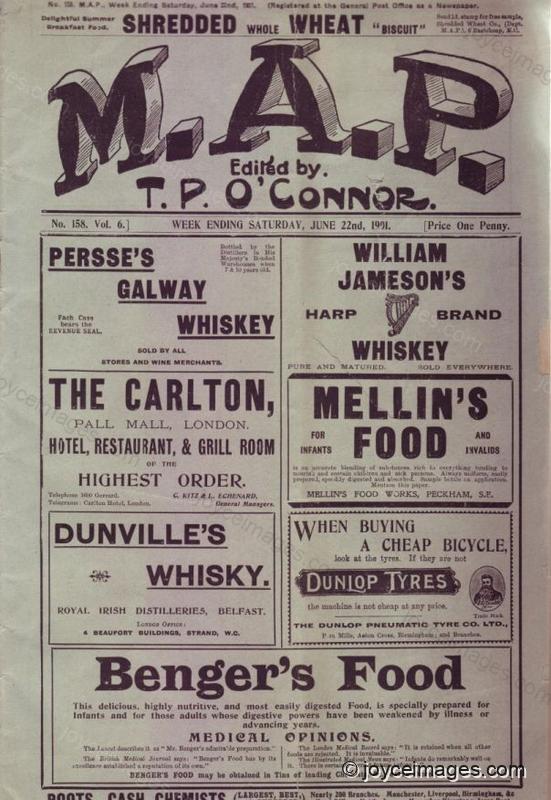
"The personal note. M.A.P." (U7.97)
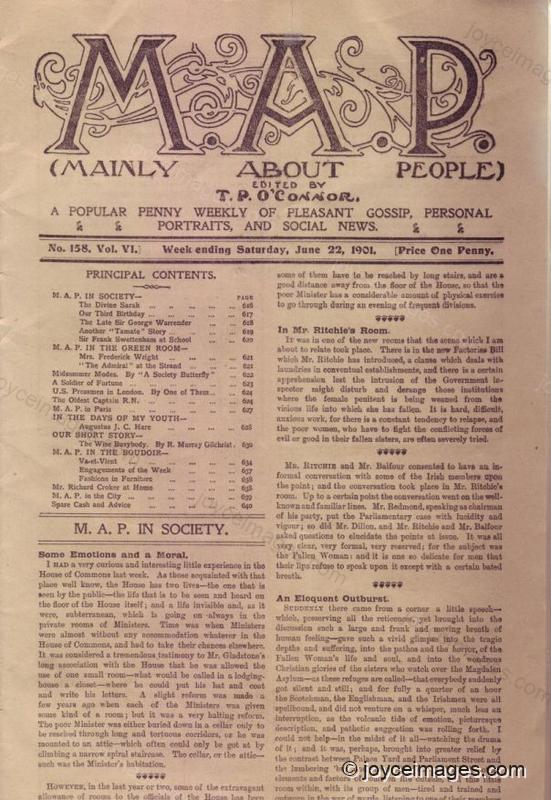
"Mainly all pictures. Shapely bathers on golden strand. World's biggest balloon. Double marriage of sisters celebrated. Two bridegrooms laughing heartily at each other. " (U7.97)
As can be seen from this issue dated 1901, M.A.P. stands for Mainly About People, and published "pleasant gossip, personal portraits and social news." It also had several pages of ads, and a few tips for investors.
As can be seen from this issue dated 1901, M.A.P. stands for Mainly About People, and published "pleasant gossip, personal portraits and social news." It also had several pages of ads, and a few tips for investors.
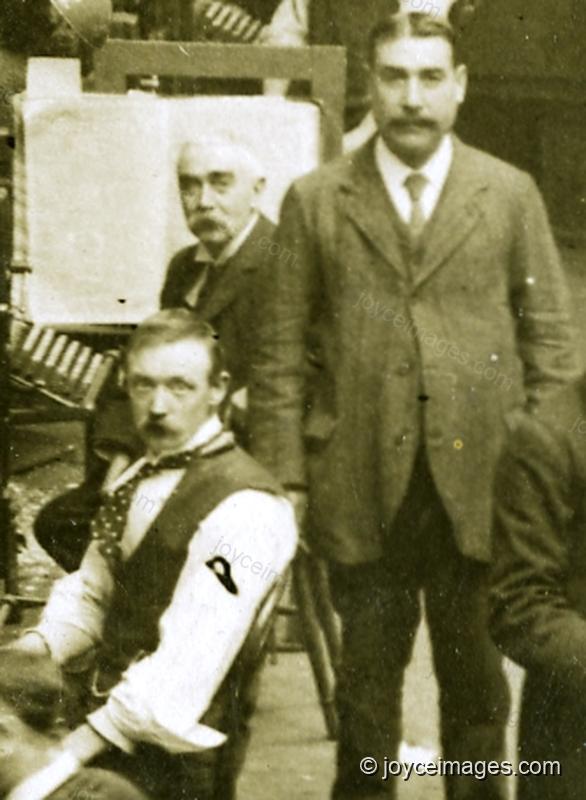
"Cuprani too, printer. More Irish than the Irish." (U7.99)
(Image courtesy of David Pierce)
(Image courtesy of David Pierce)
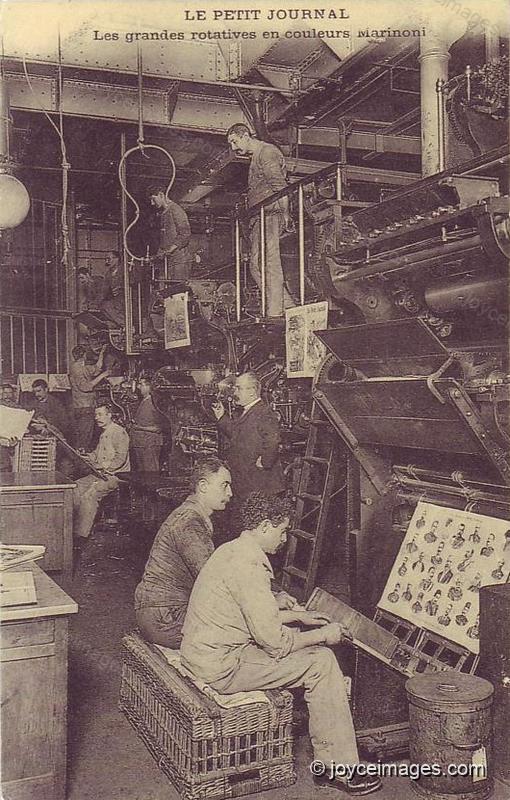
"The machines clanked in threefour time. Thump, thump, thump. Now if he got paralysed there and no one knew how to stop them they'd clank on and on the same, print it over and over and up and back. Monkeydoodle the whole thing. Want a cool head." (U7.101)
"- Well, get it into the evening edition, councillor, Hynes said.
Soon be calling him my lord mayor. Long John is backing him, they say.
The foreman, without answering, scribbled press on a corner of the sheet and made a sign to a typesetter. He handed the sheet silently over the dirty glass screen.
- Right: thanks, Hynes said moving off." (U7. 106)
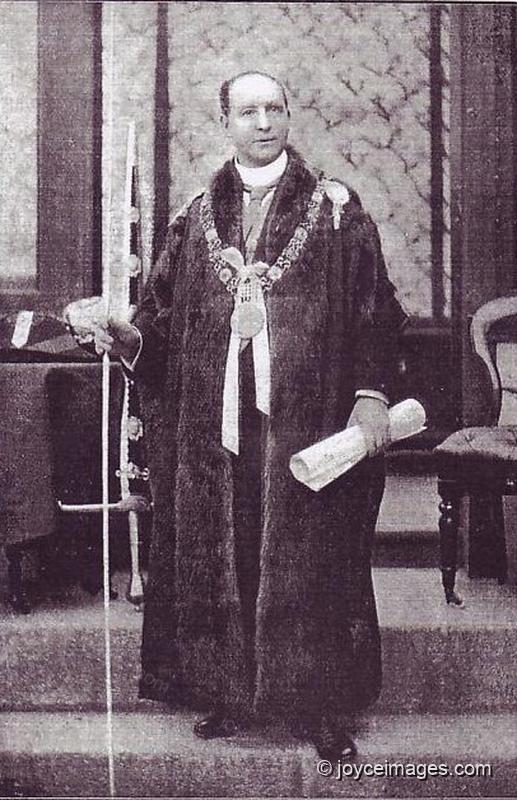
In June 1904, Joseph Hutchinson was lord mayor of Dublin. Joseph Patrick Nanetti, as Bloom predicts, immediately followed him, for the 2 terms 1906 - 1907. The correct way to call the mayor however would be "Right Honourable..." and not "My lord mayor." This picture shows the Rt. Hon. Joseph Nannetti.
[Image courtesy of the ZJJF]
Soon be calling him my lord mayor. Long John is backing him, they say.
The foreman, without answering, scribbled press on a corner of the sheet and made a sign to a typesetter. He handed the sheet silently over the dirty glass screen.
- Right: thanks, Hynes said moving off." (U7. 106)
In June 1904, Joseph Hutchinson was lord mayor of Dublin. Joseph Patrick Nanetti, as Bloom predicts, immediately followed him, for the 2 terms 1906 - 1907. The correct way to call the mayor however would be "Right Honourable..." and not "My lord mayor." This picture shows the Rt. Hon. Joseph Nannetti.
[Image courtesy of the ZJJF]
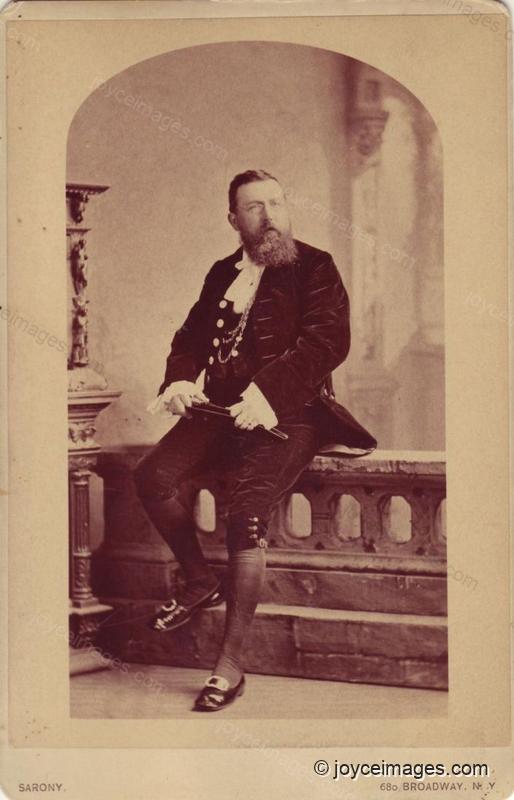
The Lord Mayor is the head (largely symbolic) of the city government of Dublin, elected to office annually by members of the Dublin Corporation from amongst its members. The Lord Mayor is responsible for chairing Corporation meetings, and representing the city at public events. The office of Mayor of Dublin was created in 1229 by King Henry III; it was elevated to Lord Mayor in 1665 by King Charles II, and the honorific title The Right Honourable (Rt. Hon.) added then. This photograph shows Edmund Dwyer Gray, lord mayor of Dublin in 1880.
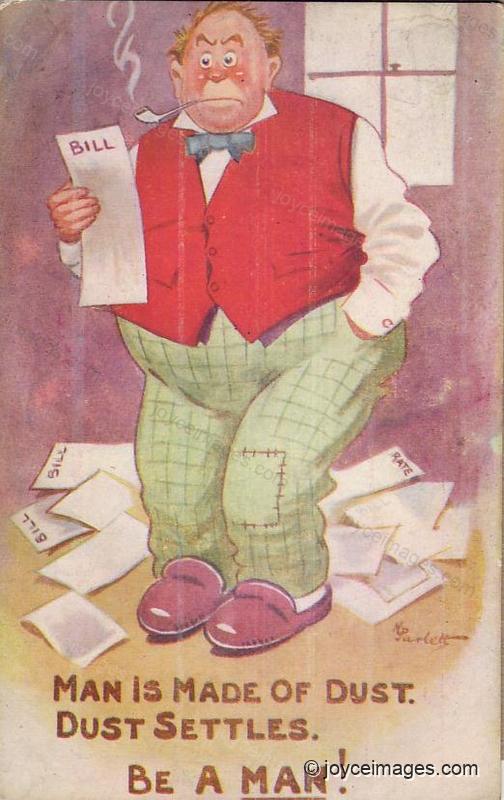
"Mr Bloom stood in his way.
- If you want to draw the cashier is just going to lunch, he said, pointing backward with his thumb.
- Did you? Hynes asked.
- Mm, Mr Bloom said. Look sharp and you'll catch him.
- Thanks, old man, Hynes said. I'll tap him too.
He hurried on eagerly towards the Freeman's Journal office.
Three bob I lent him in Meagher's. Three weeks. Third hint." (U7.112)
- If you want to draw the cashier is just going to lunch, he said, pointing backward with his thumb.
- Did you? Hynes asked.
- Mm, Mr Bloom said. Look sharp and you'll catch him.
- Thanks, old man, Hynes said. I'll tap him too.
He hurried on eagerly towards the Freeman's Journal office.
Three bob I lent him in Meagher's. Three weeks. Third hint." (U7.112)
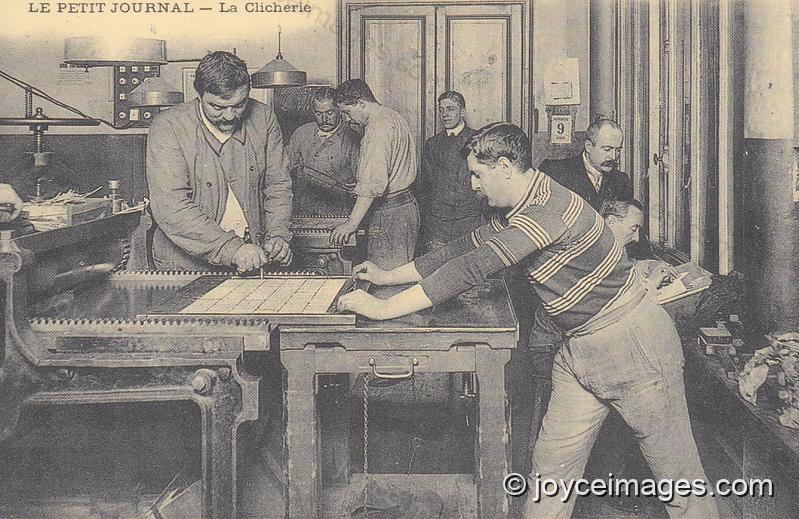
"WE SEE THE CANVASSER AT WORK
Mr Bloom laid his cutting on Mr Nannetti's desk.
— Excuse me, councillor, he said. This ad, you see. Keyes, you remember?
Mr Nannetti considered the cutting awhile and nodded.
— He wants it in for July, Mr Bloom said.
The foreman moved his pencil towards it." (U7.120)
Mr Bloom laid his cutting on Mr Nannetti's desk.
— Excuse me, councillor, he said. This ad, you see. Keyes, you remember?
Mr Nannetti considered the cutting awhile and nodded.
— He wants it in for July, Mr Bloom said.
The foreman moved his pencil towards it." (U7.120)