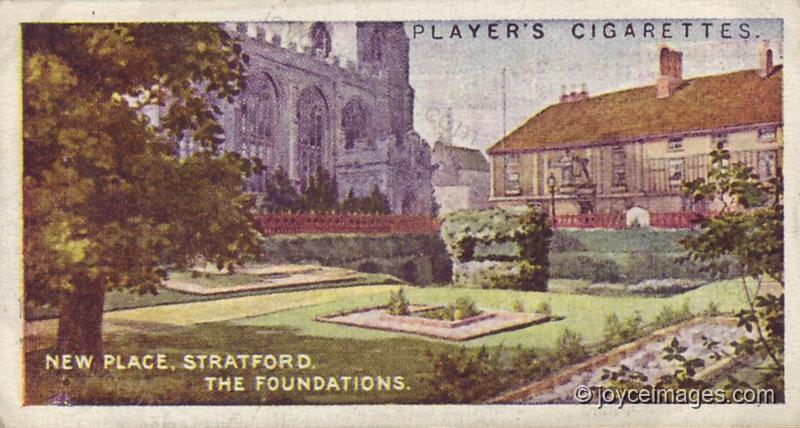
"And in New Place a slack dishonoured body that once was comely, once as sweet, as fresh as cinnamon, now her leaves falling, all, bare, frighted of the narrow grave and unforgiven." (U9.340)
In early 1597, Shakespeare bought 'New Place,' the second biggest house in Stratford (one of the purchase documents survives), and may have done some renovations to it.
In early 1597, Shakespeare bought 'New Place,' the second biggest house in Stratford (one of the purchase documents survives), and may have done some renovations to it.
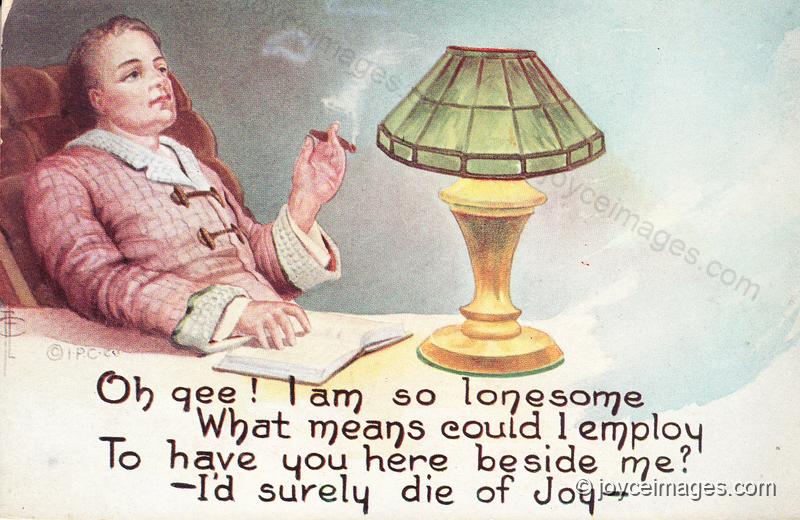
"— Yes. So you think....
The door closed behind the outgoer.
Rest suddenly possessed the discreet vaulted cell, rest of warm and brooding air.
A vestal's lamp.
Here he ponders things that were not: what Caesar would have lived to do had he believed the soothsayer: what might have been: possibilities of the possible as possible:" (U9.343)
The door closed behind the outgoer.
Rest suddenly possessed the discreet vaulted cell, rest of warm and brooding air.
A vestal's lamp.
Here he ponders things that were not: what Caesar would have lived to do had he believed the soothsayer: what might have been: possibilities of the possible as possible:" (U9.343)
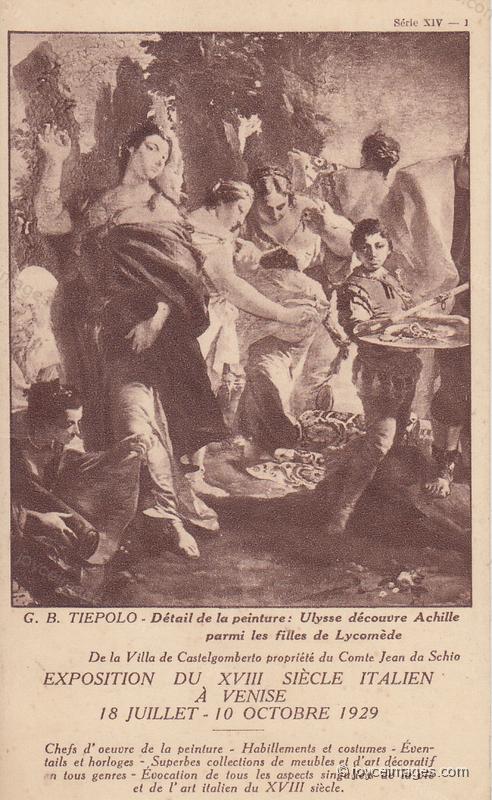
"things not known: what name Achilles bore when he lived among women. Coffined thoughts around me, in mummycases, embalmed in spice of words." (U9.350)
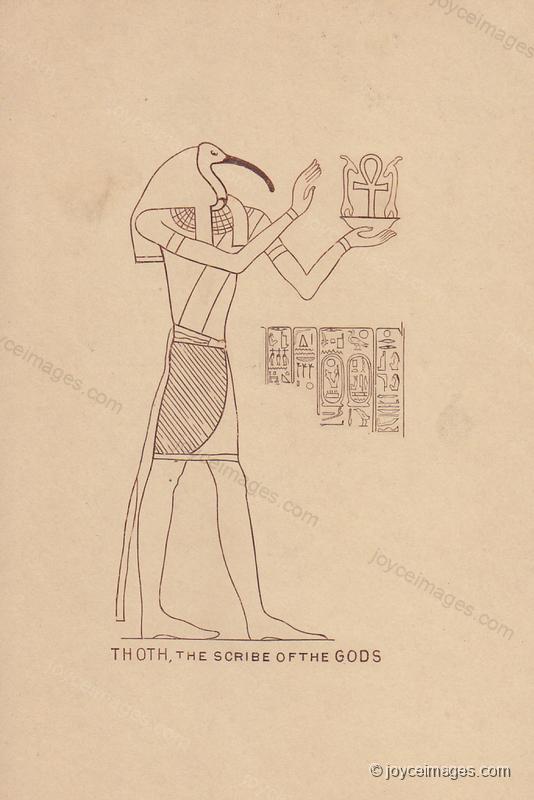
"Thoth, god of libraries, a birdgod, moonycrowned. And I heard the voice of that Egyptian highpriest. In painted chambers loaded with tilebooks." (U9.353)
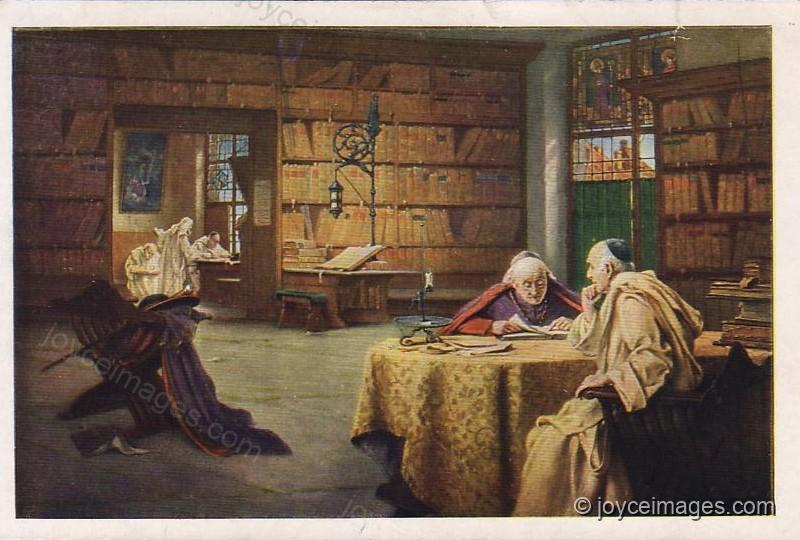
"They are still. Once quick in the brains of men. Still: but an itch of death is in them, to tell me in my ear a maudlin tale, urge me to wreak their will.
- Certainly, John Eglinton mused, of all great men he is the most enigmatic. We know nothing but that he lived and suffered. Not even so much. Others abide our question. A shadow hangs over all the rest." (U9.356)
- Certainly, John Eglinton mused, of all great men he is the most enigmatic. We know nothing but that he lived and suffered. Not even so much. Others abide our question. A shadow hangs over all the rest." (U9.356)
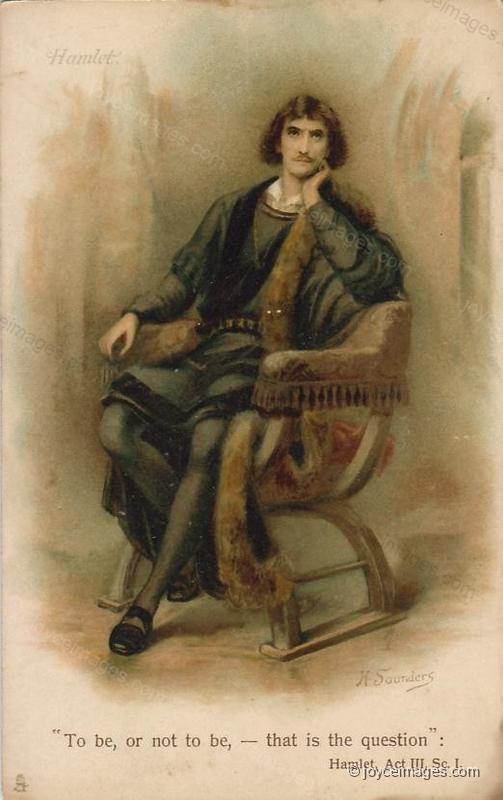
"- But Hamlet is so personal, isn't it? Mr Best pleaded. I mean, a kind of private paper, don't you know, of his private life. I mean I don't care a button, don't you know, who is killed or who is guilty...
He rested an innocent book on the edge of the desk, smiling his defiance. His private papers in the original. Ta an bad ar an tir. Taim imo shagart. Put beurla on it, littlejohn.
Quoth littlejohn Eglinton:
- I was prepared for paradoxes from what Malachi Mulligan told us but I may as well warn you that if you want to shake my belief that Shakespeare is Hamlet you have a stern task before you.
Bear with me.
Stephen withstood the bane of miscreant eyes, glinting stern under wrinkled brows. A basilisk. E quando vede l'uomo l'attosca." (U9.362)
He rested an innocent book on the edge of the desk, smiling his defiance. His private papers in the original. Ta an bad ar an tir. Taim imo shagart. Put beurla on it, littlejohn.
Quoth littlejohn Eglinton:
- I was prepared for paradoxes from what Malachi Mulligan told us but I may as well warn you that if you want to shake my belief that Shakespeare is Hamlet you have a stern task before you.
Bear with me.
Stephen withstood the bane of miscreant eyes, glinting stern under wrinkled brows. A basilisk. E quando vede l'uomo l'attosca." (U9.362)
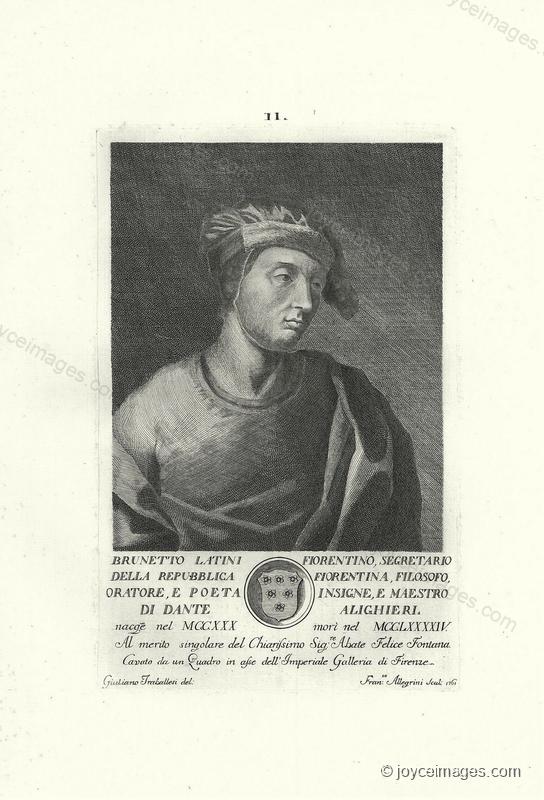
"Messer Brunetto, I thank thee for the word." ([U9.374])
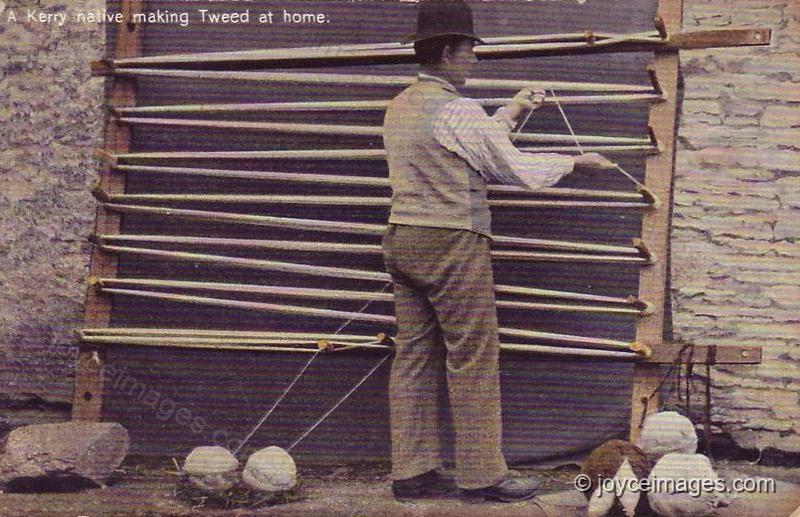
"- As we, or mother Dana, weave and unweave our bodies, Stephen said, from day to day, their molecules shuttled to and fro, so does the artist weave and unweave his image. And as the mole on my right breast is where it was when I was born, though all my body has been woven of new stuff time after time," (U9.376)
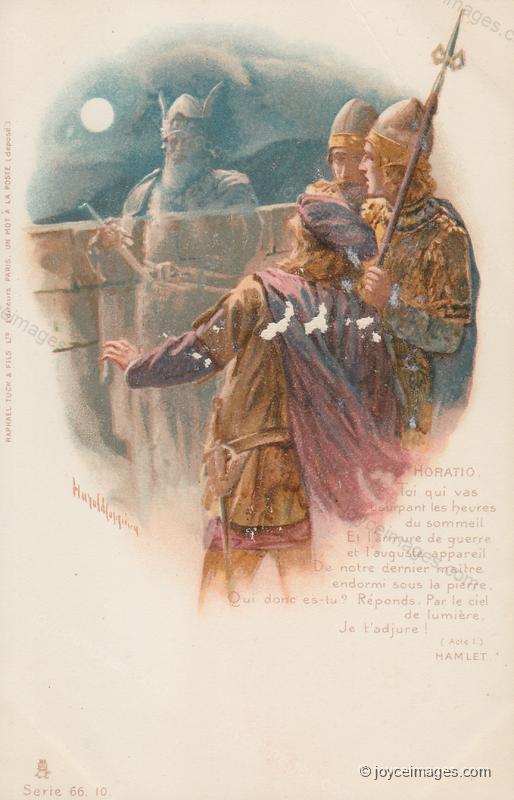
"so through the ghost of the unquiet father, the image of the unliving son looks forth. In the intense instant of imagination, when the mind, Shelley says, is a fading coal, that which I was is that which I am and that which in possibility I may come to be. So in the future, the sister of the past, I may see myself as I sit here now but by reflection from that which then I shall be.
Drummond of Hawthornden helped you at that stile." (U9.380)
Drummond of Hawthornden helped you at that stile." (U9.380)
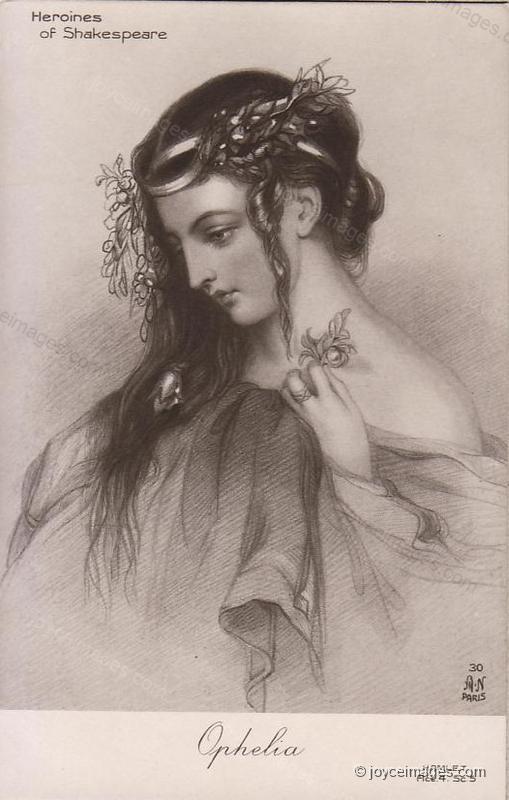
"- Yes, Mr Best said youngly, I feel Hamlet quite young. The bitterness might be from the father but the passages with Ophelia are surely from the son.
Has the wrong sow by the lug. He is in my father. I am in his son.
- That mole is the last to go, Stephen said, laughing.
John Eglinton made a nothing pleasing mow." (U9.387)
Has the wrong sow by the lug. He is in my father. I am in his son.
- That mole is the last to go, Stephen said, laughing.
John Eglinton made a nothing pleasing mow." (U9.387)
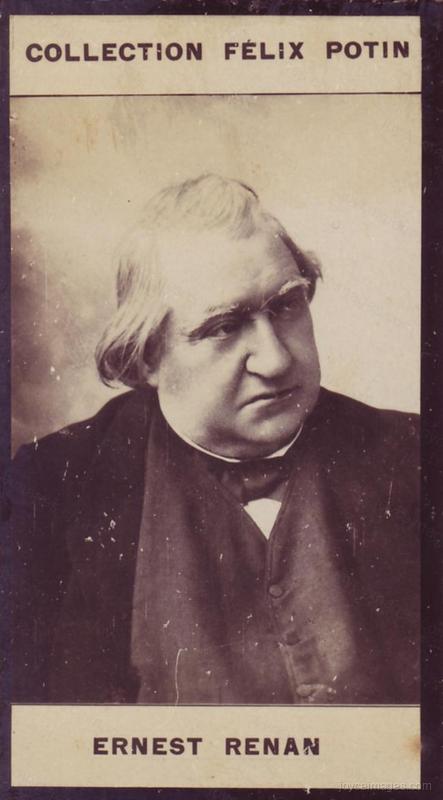
"- If that were the birthmark of genius, he said, genius would be a drug in the market. The plays of Shakespeare's later years which Renan admired so much breathe another spirit.
- The spirit of reconciliation, the quaker librarian breathed." (U9.393)
- The spirit of reconciliation, the quaker librarian breathed." (U9.393)
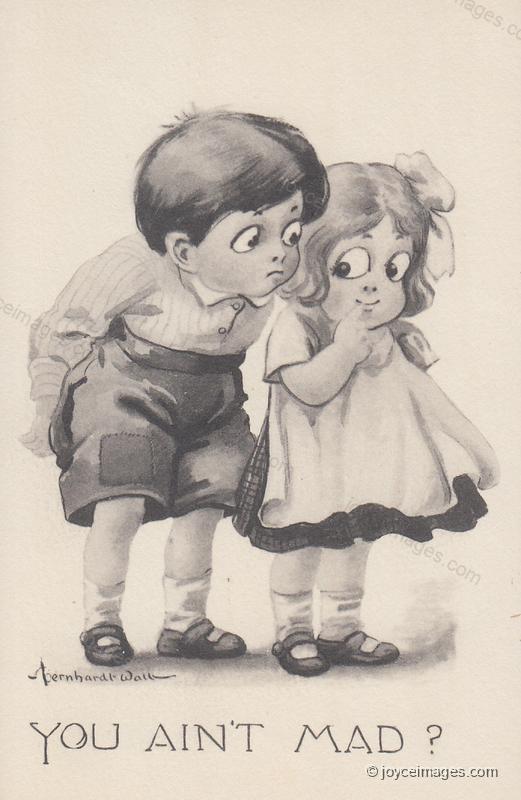
"—There can be no reconciliation, Stephen said, if there has not been a sundering.
Said that." (U9.396)
Said that." (U9.396)
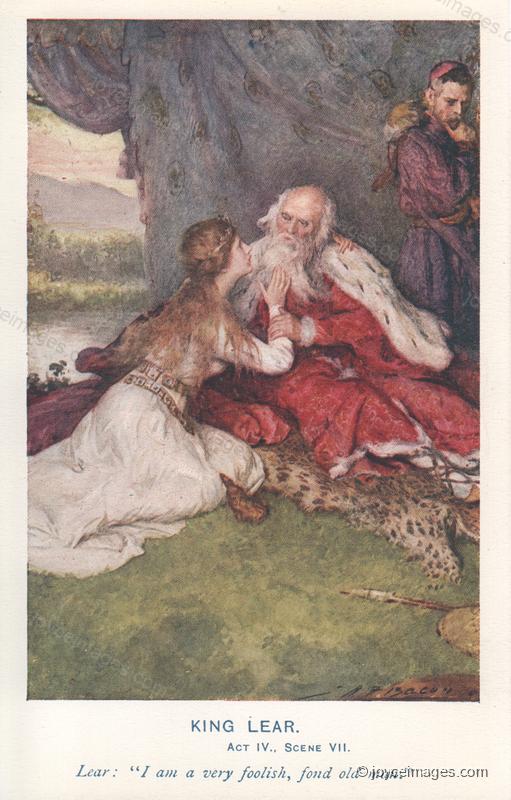
" If you want to know what are the events which cast their shadow over the hell of time of King Lear, Othello, Hamlet," (U9.400)
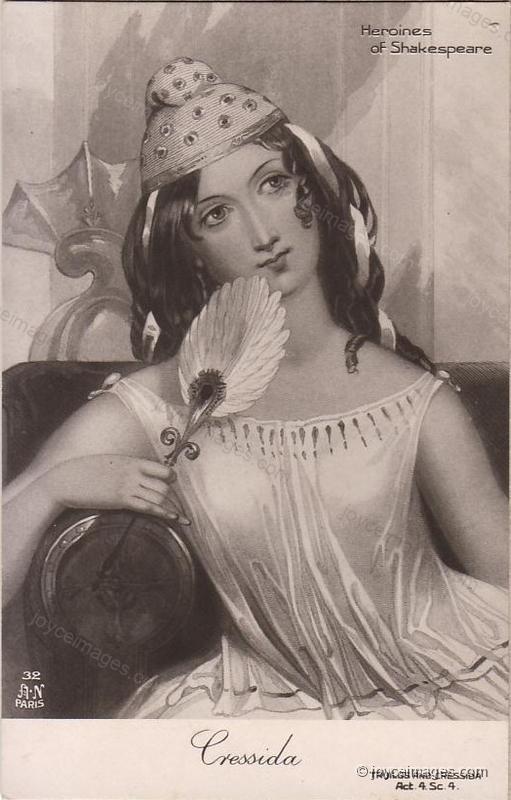
"Troilus and Cressida, look to see when and how the shadow lifts. What softens the heart of a man, Shipwrecked in storms dire, Tried, like another Ulysses," (U9.401)
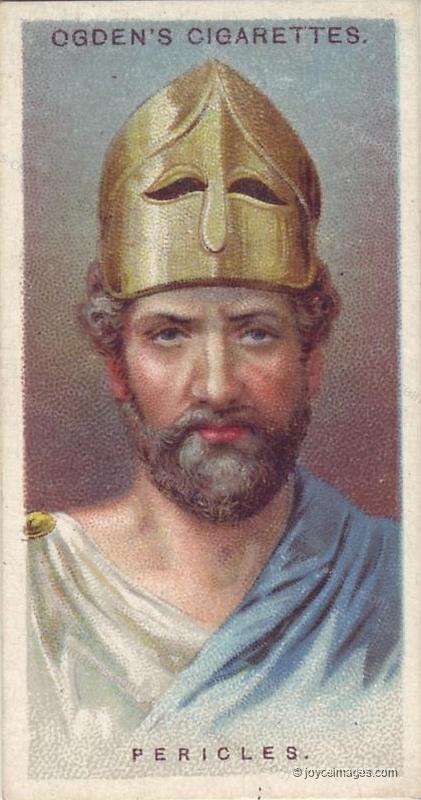
"Pericles, prince of Tyre?
Head, redconecapped, buffeted, brineblinded.
— A child, a girl, placed in his arms, Marina.
— The leaning of sophists towards the bypaths of apocrypha is a constant quantity, John Eglinton detected. The highroads are dreary but they lead to the town." (U9.403)
Head, redconecapped, buffeted, brineblinded.
— A child, a girl, placed in his arms, Marina.
— The leaning of sophists towards the bypaths of apocrypha is a constant quantity, John Eglinton detected. The highroads are dreary but they lead to the town." (U9.403)
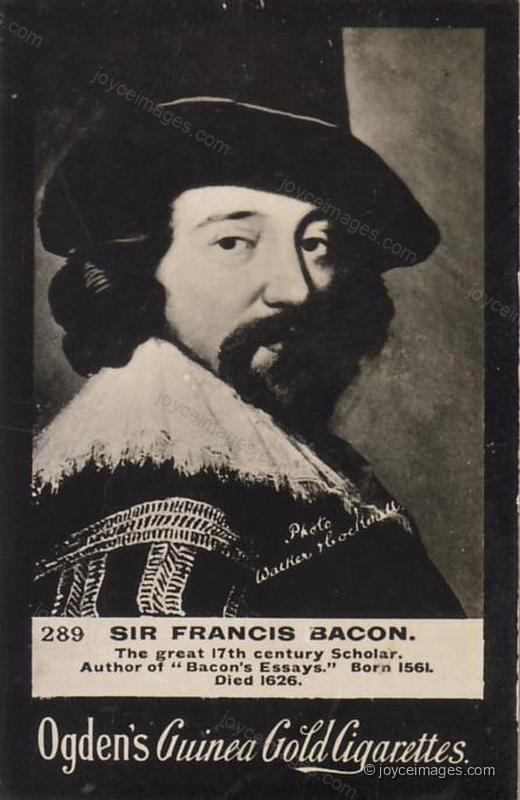
"Good Bacon: gone musty. Shakespeare Bacon's wild oats. Cypherjugglers going the highroads. Seekers on the great quest. What town, good masters? Mummed in names: A.E., eon: Magee, John Eglinton. East of the sun, west of the moon: Tir na n-og. Booted the twain and staved.
How many miles to Dublin?
Three score and ten, sir.
Will we be there by candlelight?" (U9.410)
How many miles to Dublin?
Three score and ten, sir.
Will we be there by candlelight?" (U9.410)