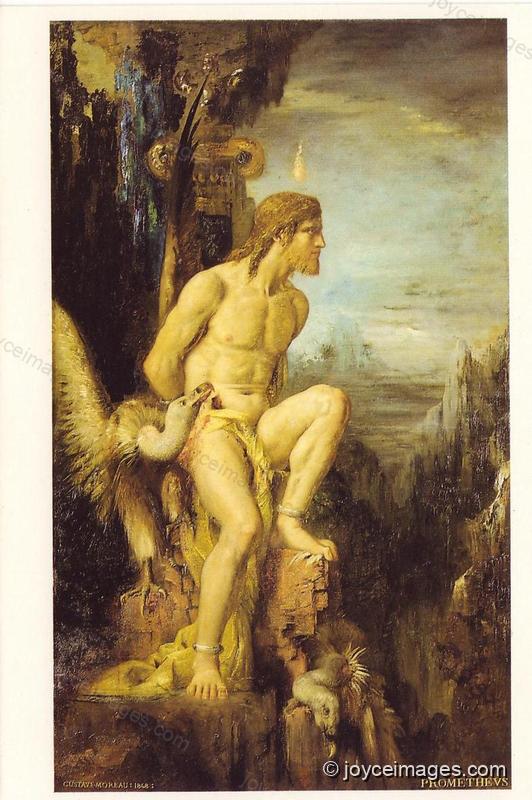
"is the painting of ideas." (U9.50)
In 1891, Moreau became professor at l'Ecole des Beaux-Arts of Paris, and counted among his many students the fauvist painters Henri Matisse and Georges Rouault. He is buried in Paris at the Cimetierre de Montmartre. Moreau created over 8000 paintings and drawings, many of which are now in the Musée Gustave Moreau at 14, rue de la Rochefoucauld (9e) in Paris. The museum is in his former workshop, and opened to the public in 1903. It is one of the nicest museums in Paris, jam-packed with his works. That's where I got these postcards.
In 1891, Moreau became professor at l'Ecole des Beaux-Arts of Paris, and counted among his many students the fauvist painters Henri Matisse and Georges Rouault. He is buried in Paris at the Cimetierre de Montmartre. Moreau created over 8000 paintings and drawings, many of which are now in the Musée Gustave Moreau at 14, rue de la Rochefoucauld (9e) in Paris. The museum is in his former workshop, and opened to the public in 1903. It is one of the nicest museums in Paris, jam-packed with his works. That's where I got these postcards.
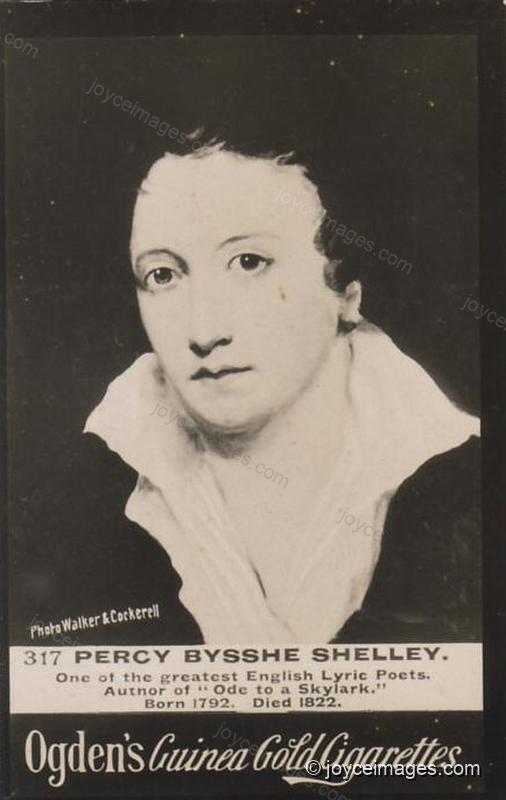
"The deepest poetry of Shelley, the words of Hamlet bring our minds into contact with the eternal wisdom," (U9.51)
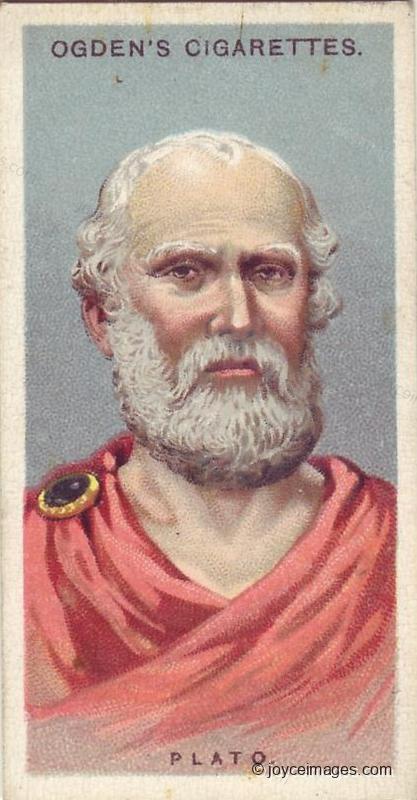
"Plato's world of ideas." (U9.52)
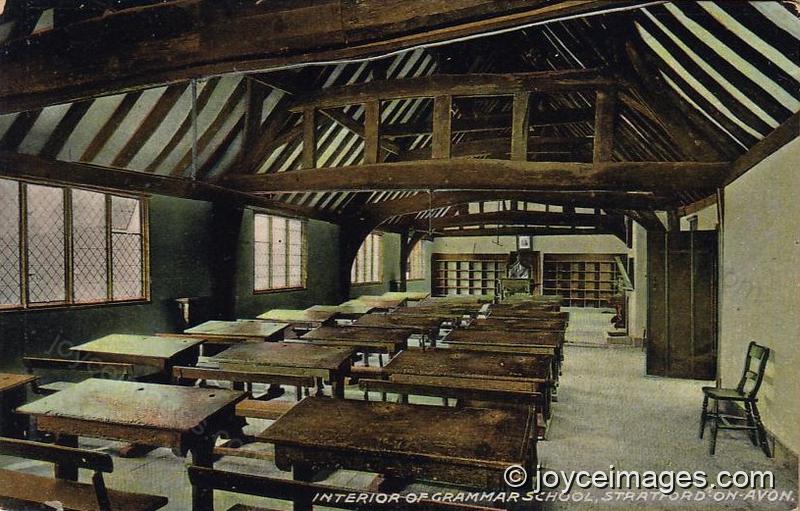
"All the rest is the speculation of schoolboys for schoolboys.
A.E. has been telling some yankee interviewer. Wall, tarnation strike me!" (U9.53)
A.E. has been telling some yankee interviewer. Wall, tarnation strike me!" (U9.53)
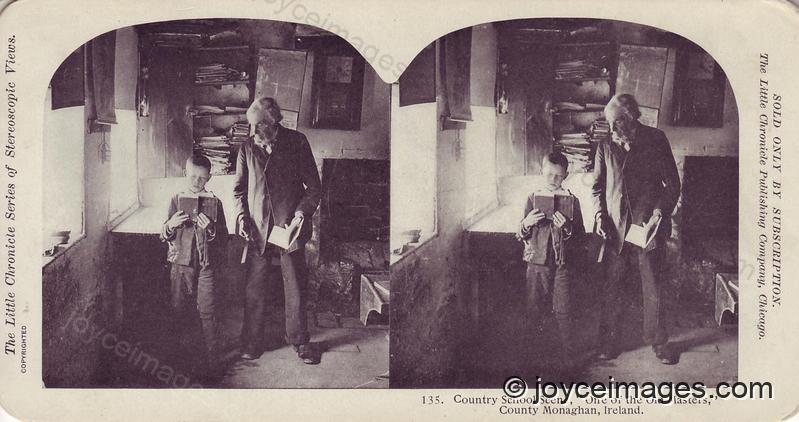
"- The schoolmen were schoolboys first, Stephen said superpolitely. Aristotle was once Plato's schoolboy.
- And has remained so, one should hope, John Eglinton sedately said. One can see him, a model schoolboy with his diploma under his arm.
He laughed again at the now smiling bearded face." (U9.56)
- And has remained so, one should hope, John Eglinton sedately said. One can see him, a model schoolboy with his diploma under his arm.
He laughed again at the now smiling bearded face." (U9.56)
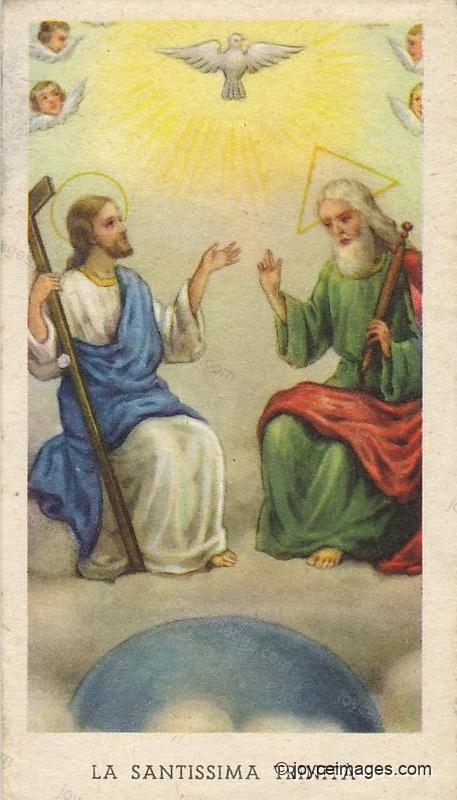
"Formless spiritual. Father, Word and Holy Breath. Allfather, the heavenly man. Hiesos Kristos, magician of the beautiful, the Logos who suffers in us at every moment. This verily is that." (U9.61)
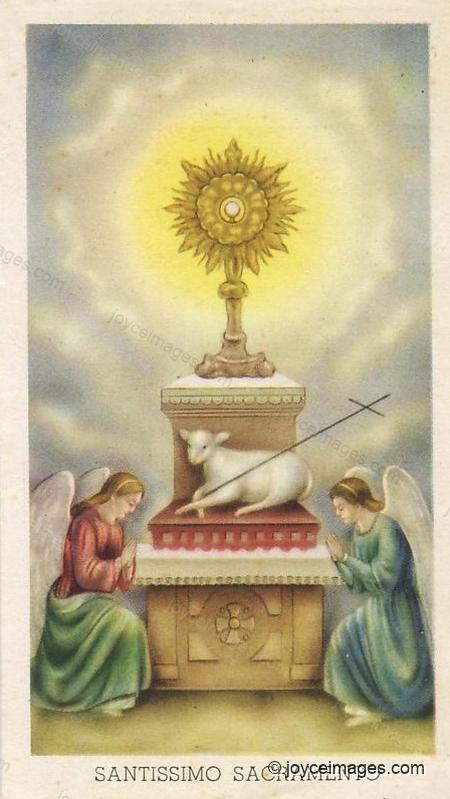
"I am the fire upon the altar. I am the sacrificial butter.
Dunlop, Judge, the noblest Roman of them all, A. E., Arval, the Name Ineffable, in heaven hight: K. H., their master, whose identity is no secret to adepts. Brothers of the great white lodge always watching to see if they can help. The Christ with the bridesister, moisture of light, born of an ensouled virgin, repentant sophia, departed to the plane of buddhi. The life esoteric is not for ordinary person. O. P. must work off bad karma first. Mrs Cooper Oakley once glimpsed our very illustrious sister H. P. B.'s elemental.
O, fie! Out on't! Pfuiteufel! You naughtn't to look, missus, so you naughtn't when a lady's ashowing of her elemental." (U9.63)
Dunlop, Judge, the noblest Roman of them all, A. E., Arval, the Name Ineffable, in heaven hight: K. H., their master, whose identity is no secret to adepts. Brothers of the great white lodge always watching to see if they can help. The Christ with the bridesister, moisture of light, born of an ensouled virgin, repentant sophia, departed to the plane of buddhi. The life esoteric is not for ordinary person. O. P. must work off bad karma first. Mrs Cooper Oakley once glimpsed our very illustrious sister H. P. B.'s elemental.
O, fie! Out on't! Pfuiteufel! You naughtn't to look, missus, so you naughtn't when a lady's ashowing of her elemental." (U9.63)
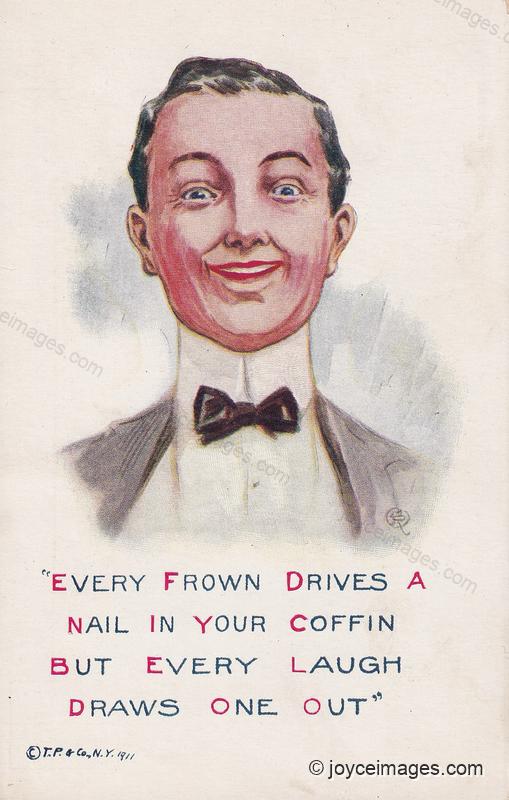
"Mr Best entered, tall, young, mild, light. He bore in his hand with grace a notebook, new, large, clean, bright." (U9.74)
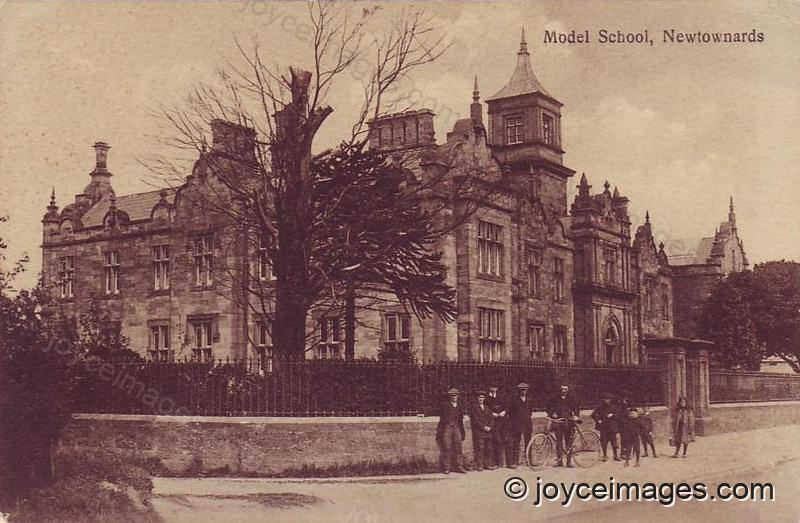
"- That model schoolboy, Stephen said, would find Hamlet's musings about the afterlife of his princely soul, the improbable, insignificant and undramatic monologue, as shallow as Plato's.
John Eglinton, frowning, said, waxing wroth:
— Upon my word it makes my blood boil to hear anyone compare Aristotle with Plato.
— Which of the two, Stephen asked, would have banished me from his commonwealth?" (U9.76)
John Eglinton, frowning, said, waxing wroth:
— Upon my word it makes my blood boil to hear anyone compare Aristotle with Plato.
— Which of the two, Stephen asked, would have banished me from his commonwealth?" (U9.76)
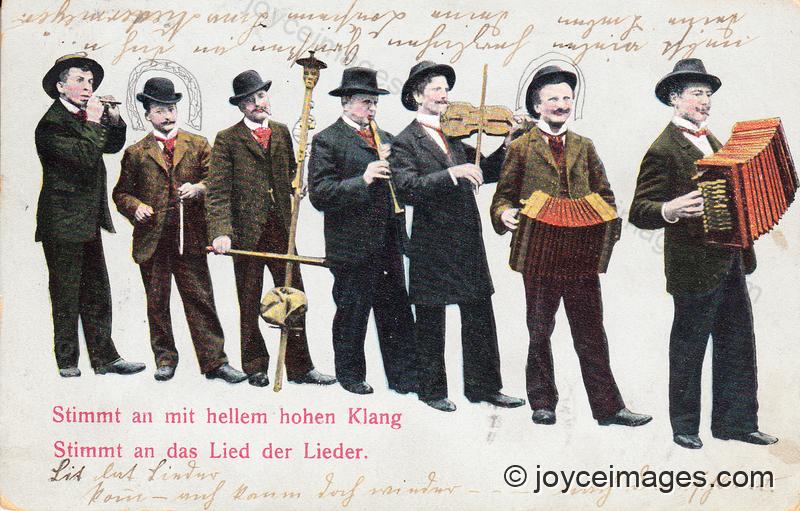
"Unsheathe your dagger definitions. Horseness is the whatness of allhorse. Streams of tendency and eons they worship. God: noise in the street: very peripatetic. " (U9.84)
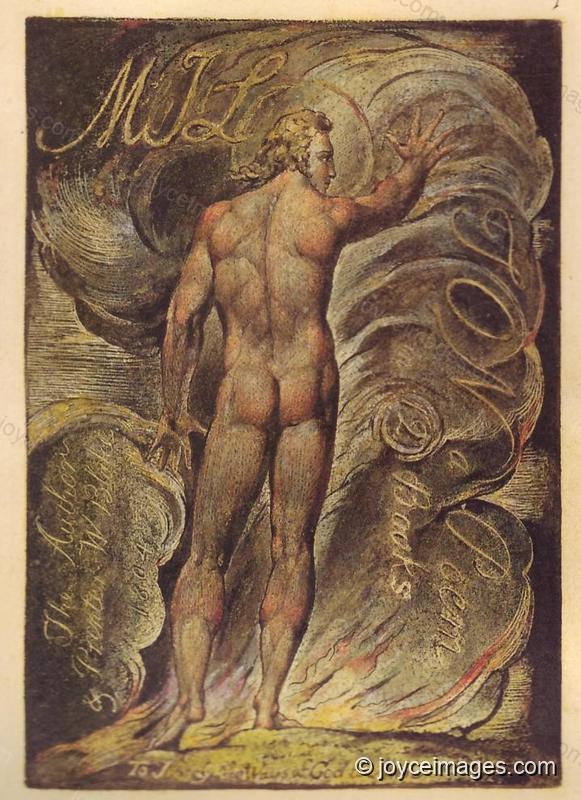
"Space: what you damn well have to see. Through spaces smaller than red globules of man's blood they creepycrawl after Blake's buttocks into eternity of which this vegetable world is but a shadow. Hold to the now, the here, through which all future plunges to the past." (U9.86)
After William Blake: "I know of no other Christianity and of no other Gospel than the liberty both of body and mind to exercise the Divine Arts of Imagination. Imagination the real & eternal World of which this Vegetable Universe is but a faint shadow & in which we shall live in our Eternal or Imaginative Bodies, when these Vegetable Mortal Bodies are no more." (Jerusalem, plate 77 'To the Christians')
After William Blake: "I know of no other Christianity and of no other Gospel than the liberty both of body and mind to exercise the Divine Arts of Imagination. Imagination the real & eternal World of which this Vegetable Universe is but a faint shadow & in which we shall live in our Eternal or Imaginative Bodies, when these Vegetable Mortal Bodies are no more." (Jerusalem, plate 77 'To the Christians')
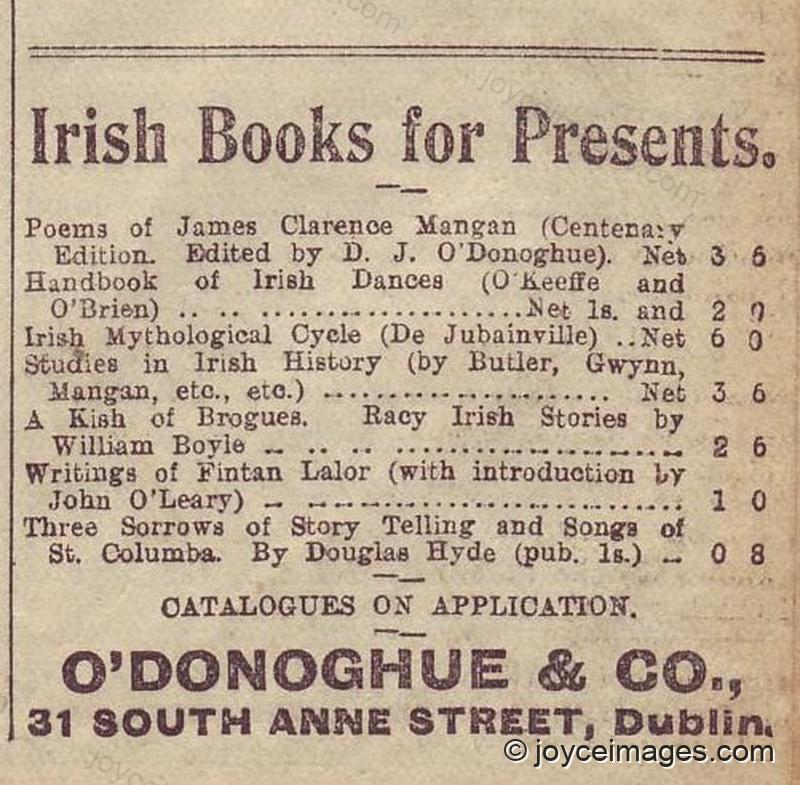
"Mr Best came forward, amiable, towards his colleague.
- Haines is gone, he said.
- Is he?
- I was showing him Jubainville's book." (U9.90)
- Haines is gone, he said.
- Is he?
- I was showing him Jubainville's book." (U9.90)
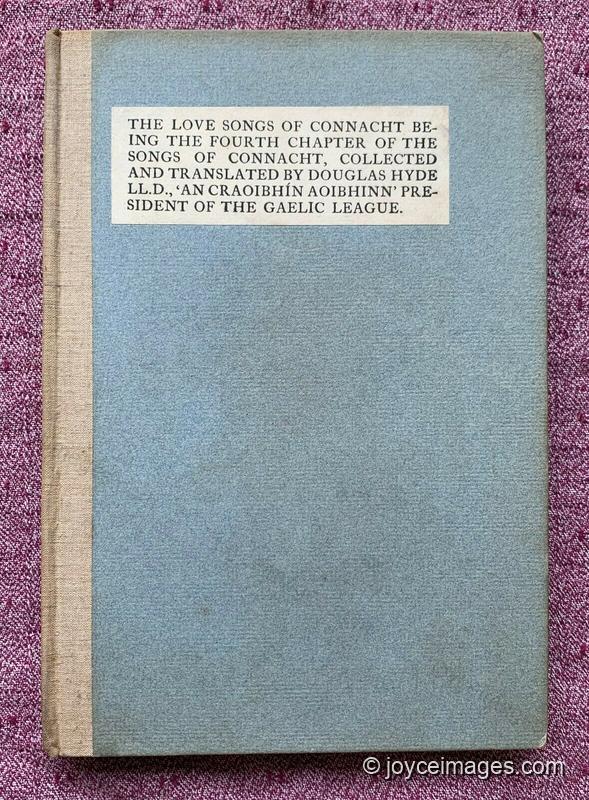
"He's quite enthusiastic, don't you know, about Hyde's Lovesongs of Connacht. I couldn't bring him in to hear the discussion. He's gone to Gill's to buy it.
Bound thee forth, my booklet, quick
To greet the callous public,
Writ, I ween, 'twas not my wish
In lean unlovely English." (U9.93)
Bound thee forth, my booklet, quick
To greet the callous public,
Writ, I ween, 'twas not my wish
In lean unlovely English." (U9.93)
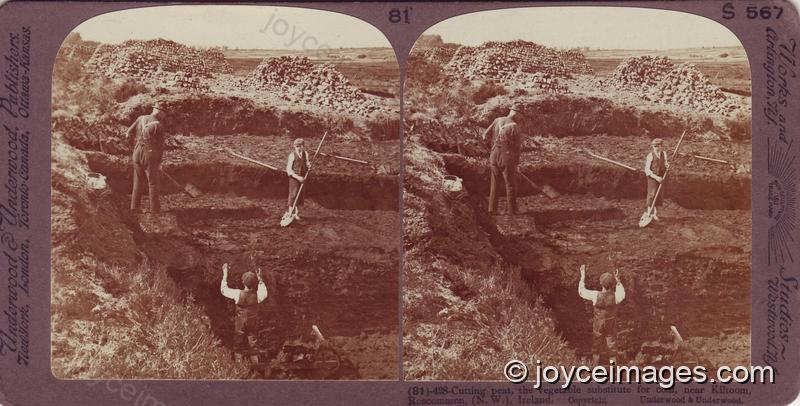
"-The peatsmoke is going to his head, John Eglinton opined. " (U9.100)
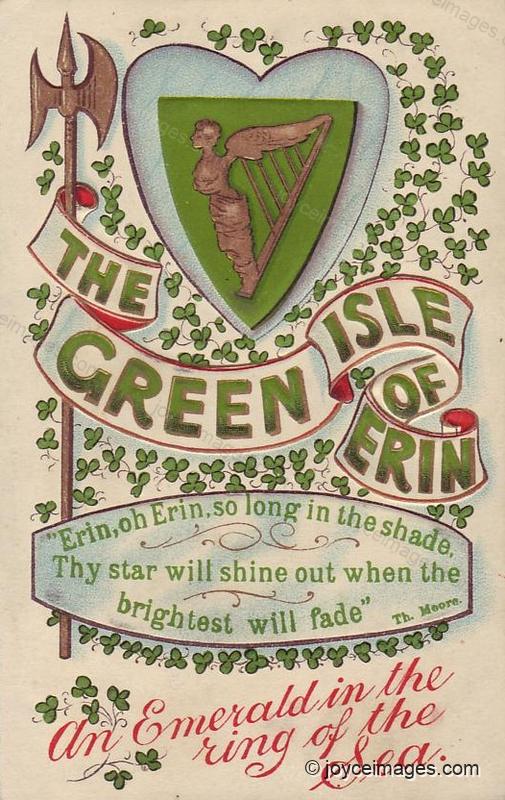
"We feel in England. Penitent thief. Gone. I smoked his baccy. Green twinkling stone. An emerald set in the ring of the sea." (U9.101)
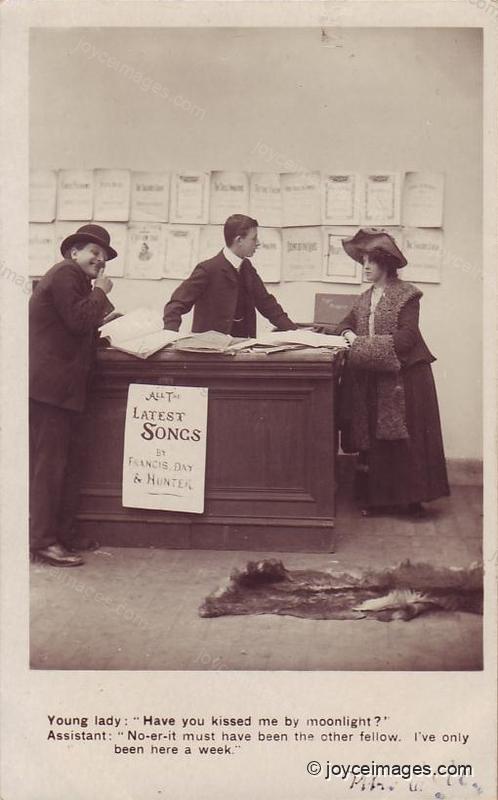
"- People do not know how dangerous lovesongs can be," (U9.103)