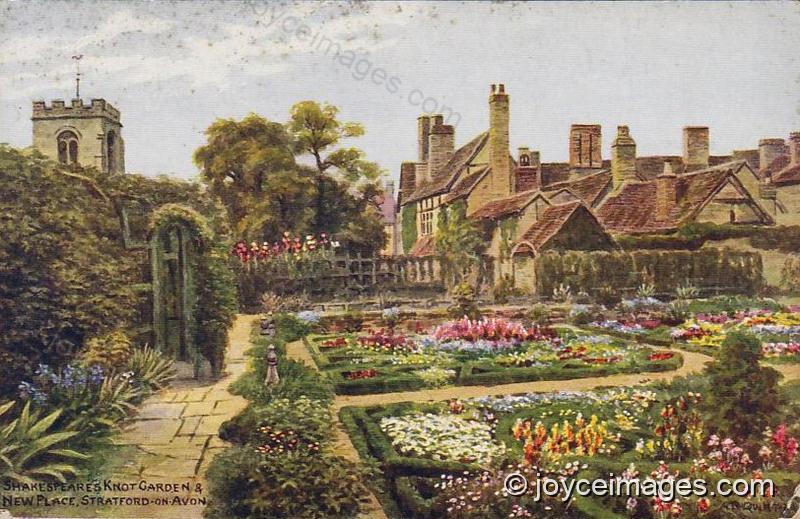
"Do and do. Thing done. In a rosery of Fetter Lane of Gerard, herbalist, he walks, greyedauburn." (U9.651)
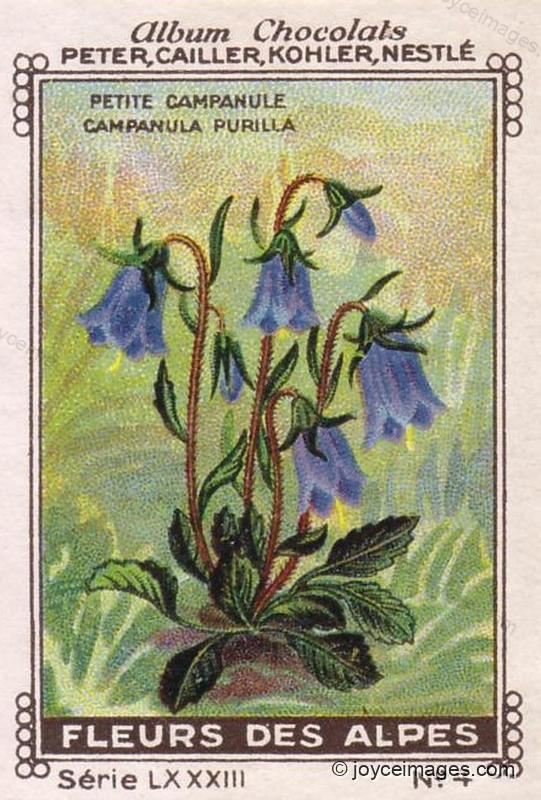
"An azured harebell like her veins. Lids of Juno's eyes, violets. He walks." (U9.652)
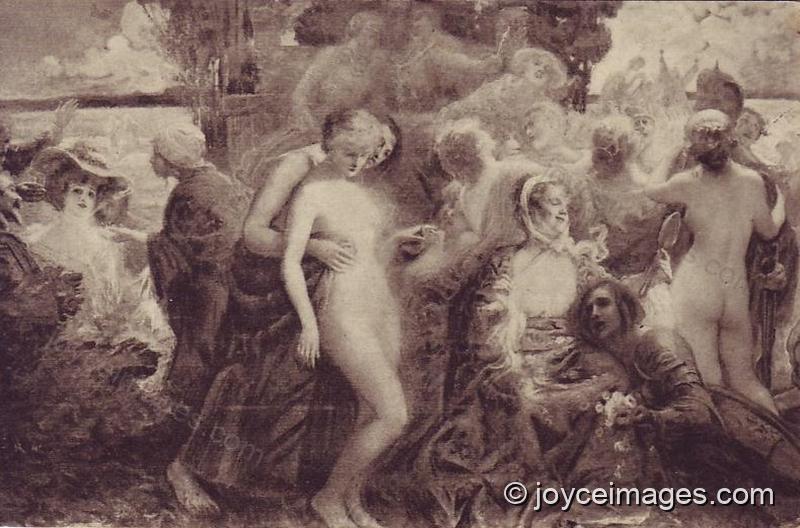
"(One life is all. One body. Do. But do. Afar, in a reek of lust and squalor, hands are laid on whiteness." (U9.653)
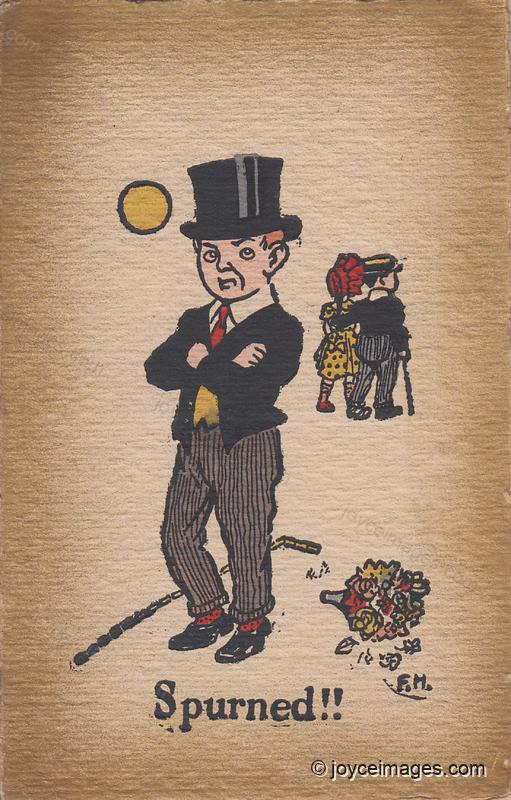
"Buck Mulligan rapped John Eglinton's desk sharply.
— Whom do you suspect? he challenged.
— Say that he is the spurned lover in the sonnets. Once spurned twice spurned. But the court wanton spurned him for a lord, his dearmylove.
Love that dare not speak its name.
— As an Englishman, you mean, John sturdy Eglinton put in, he loved a lord.
Old wall where sudden lizards flash." (U9.655)
— Whom do you suspect? he challenged.
— Say that he is the spurned lover in the sonnets. Once spurned twice spurned. But the court wanton spurned him for a lord, his dearmylove.
Love that dare not speak its name.
— As an Englishman, you mean, John sturdy Eglinton put in, he loved a lord.
Old wall where sudden lizards flash." (U9.655)
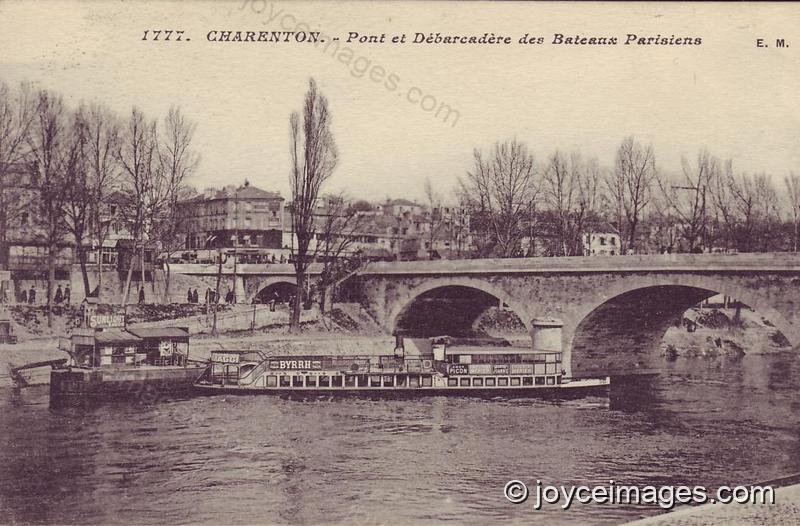
"At Charenton I watched them.
— It seems so, Stephen said, when he wants to do for him, and for all other and singular uneared wombs, the holy office an ostler does for the stallion." (U9.662)
Charenton can mean several places, but I think it refers to Charenton-le-Pont, a commune 6.2 km (3.8 miles) southeast from Paris, on the Seine river. It can be reached from Paris by boat, or simply by walking along the quays.
— It seems so, Stephen said, when he wants to do for him, and for all other and singular uneared wombs, the holy office an ostler does for the stallion." (U9.662)
Charenton can mean several places, but I think it refers to Charenton-le-Pont, a commune 6.2 km (3.8 miles) southeast from Paris, on the Seine river. It can be reached from Paris by boat, or simply by walking along the quays.
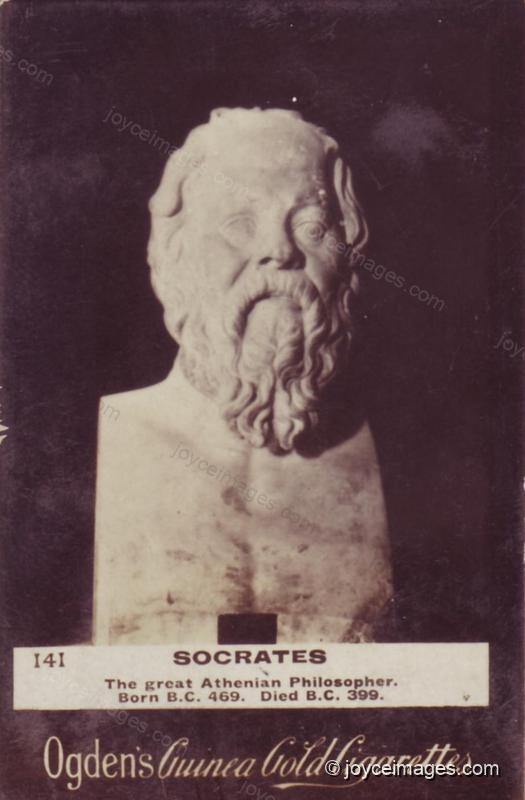
"Maybe, like Socrates, he had a midwife to mother as he had a shrew to wife." (U9.665)
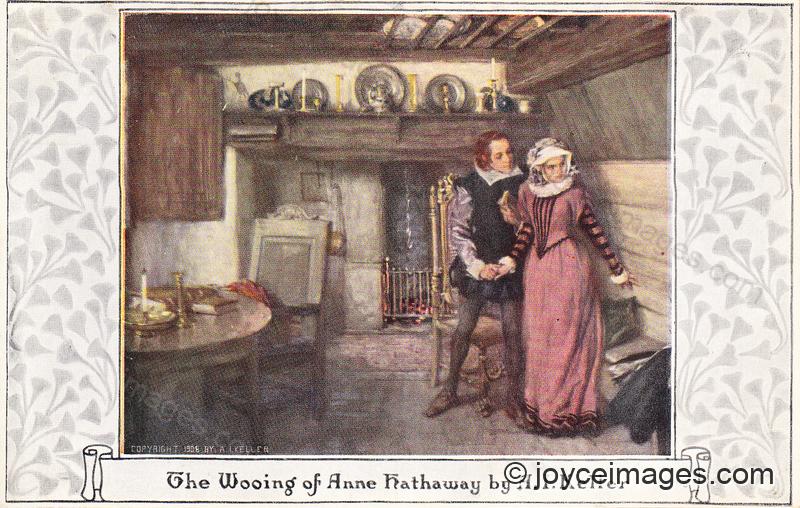
"But she, the giglot wanton, did not break a bedvow. Two deeds are rank in that ghost's mind: a broken vow and the dullbrained yokel on whom her favour has declined, deceased husband's brother. Sweet Ann, I take it, was hot in the blood. Once a wooer, twice a wooer." (U9.666)
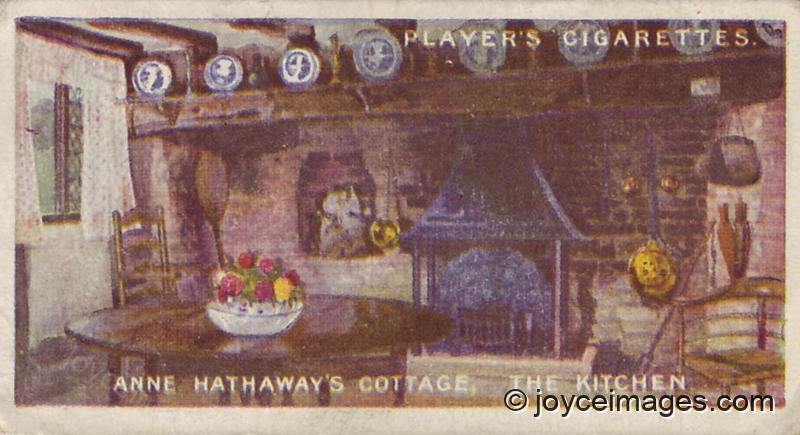
"Stephen turned boldly in his chair.
— The burden of proof is with you not with me, he said frowning. If you deny that in the fifth scene of Hamlet he has branded her with infamy tell me why there is no mention of her during the thirtyfour years between the day she married him and the day she buried him." (U9.671)
— The burden of proof is with you not with me, he said frowning. If you deny that in the fifth scene of Hamlet he has branded her with infamy tell me why there is no mention of her during the thirtyfour years between the day she married him and the day she buried him." (U9.671)
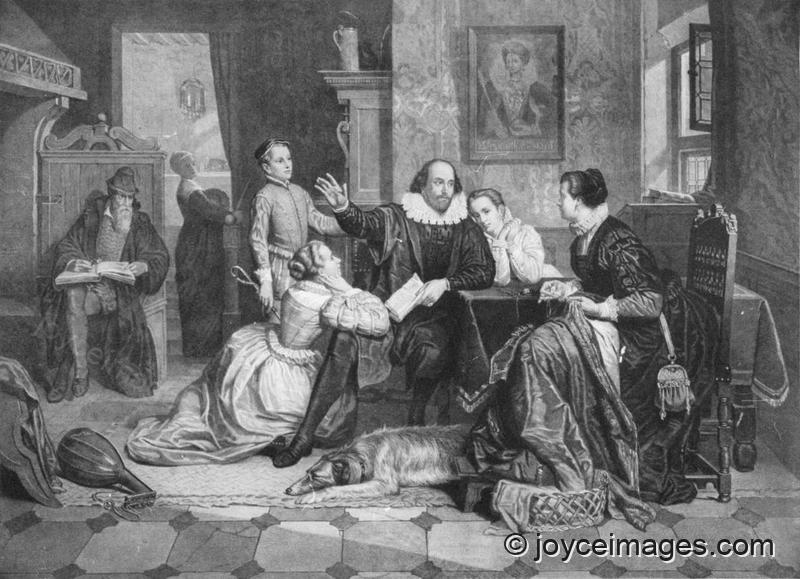
"All those women saw their men down and under: Mary, her goodman John, Ann Hathaway, her poor dear Willun, when he went and died on her, raging that he was the first to go, Joan, her four brothers, Judith, her husband and all her sons, Susan, her husband too, while Susan's daughter, Elizabeth, to use granddaddy's words, wed her second, having killed her first. O, yes, mention there is." ([U9.674])
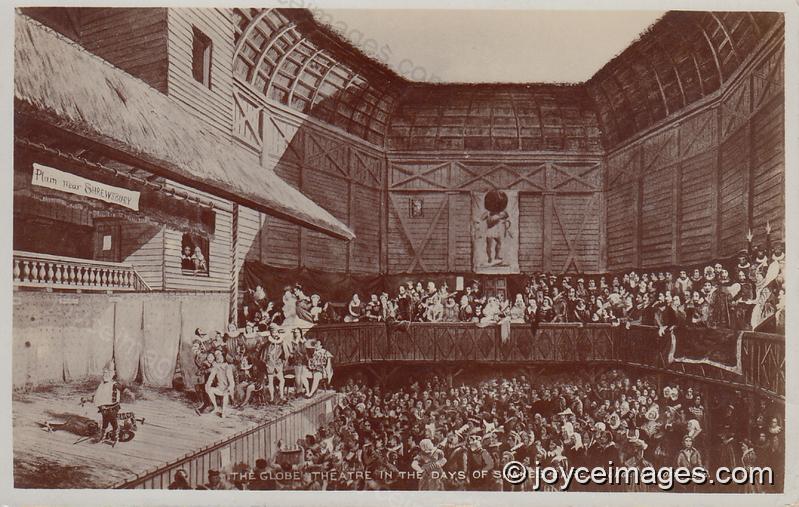
"In the years when he was living richly in royal London to pay a debt she had to borrow forty shillings from her father's shepherd. Explain you then.
Explain the swansong too wherein he has commended her to posterity.
He faced their silence.
To whom thus Eglinton: You mean the will.
But that has been explained, I believe, by jurists." (U9.679)
Explain the swansong too wherein he has commended her to posterity.
He faced their silence.
To whom thus Eglinton: You mean the will.
But that has been explained, I believe, by jurists." (U9.679)
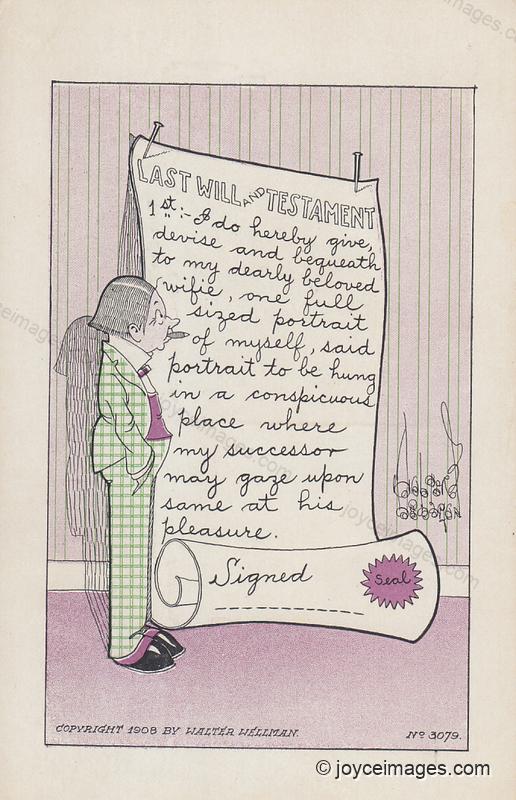
"She was entitled to her widow's dower
At common law. His legal knowledge was great
Our judges tell us.
Him Satan fleers,
Mocker:
And therefore he left out her name
From the first draft but he did not leave out
The presents for his granddaughter, for his daughters,
For his sister, for his old cronies in Stratford
And in London. And therefore when he was urged,
As I believe, to name her
He left her his
Secondbest
Bed.
Woa!" (U9.686)
At common law. His legal knowledge was great
Our judges tell us.
Him Satan fleers,
Mocker:
And therefore he left out her name
From the first draft but he did not leave out
The presents for his granddaughter, for his daughters,
For his sister, for his old cronies in Stratford
And in London. And therefore when he was urged,
As I believe, to name her
He left her his
Secondbest
Bed.
Woa!" (U9.686)
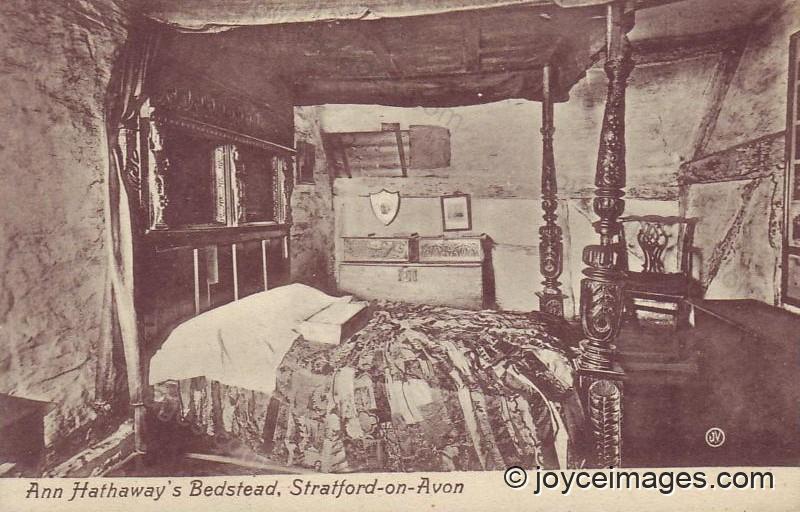
"Punkt
Leftherhis
Secondbest
Bestabed
Secabest
Leftabed." (9.700)
Leftherhis
Secondbest
Bestabed
Secabest
Leftabed." (9.700)
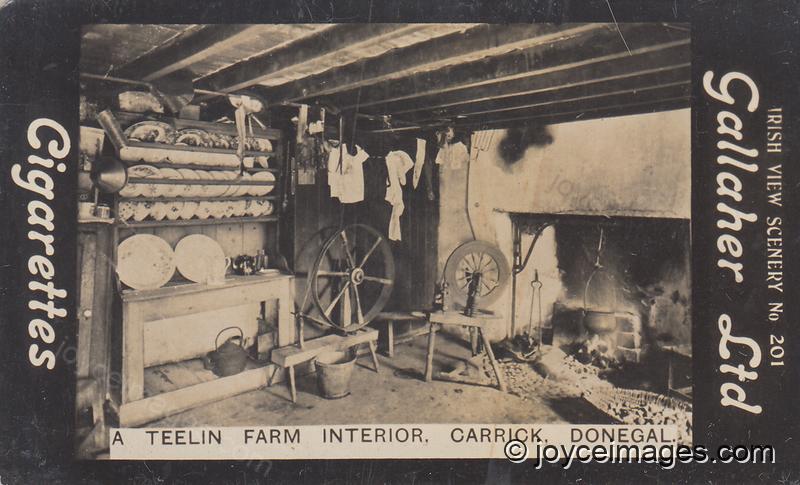
"— Pretty countryfolk had few chattels then, John Eglinton observed, as they have still if our peasant plays are true to type." (U9.708)
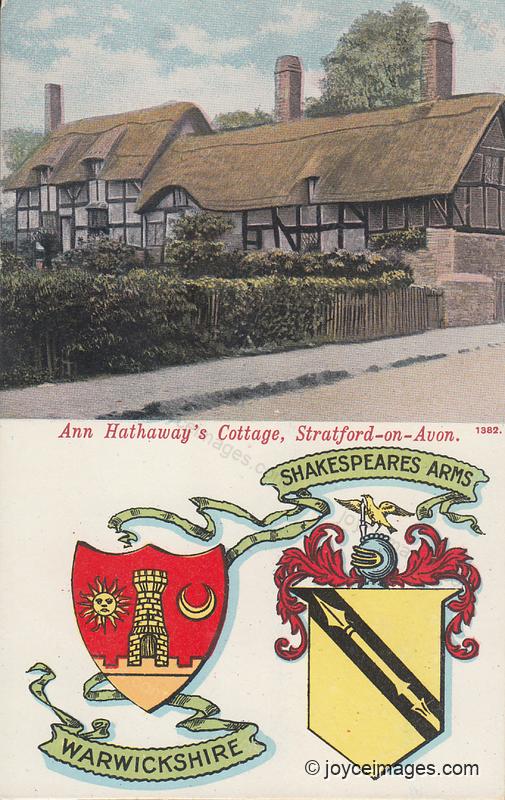
"— He was a rich country gentleman, Stephen said, with a coat of arms and landed estate at Stratford and a house in Ireland yard, a capitalist shareholder, a bill promoter, a tithefarmer." (U9.710)
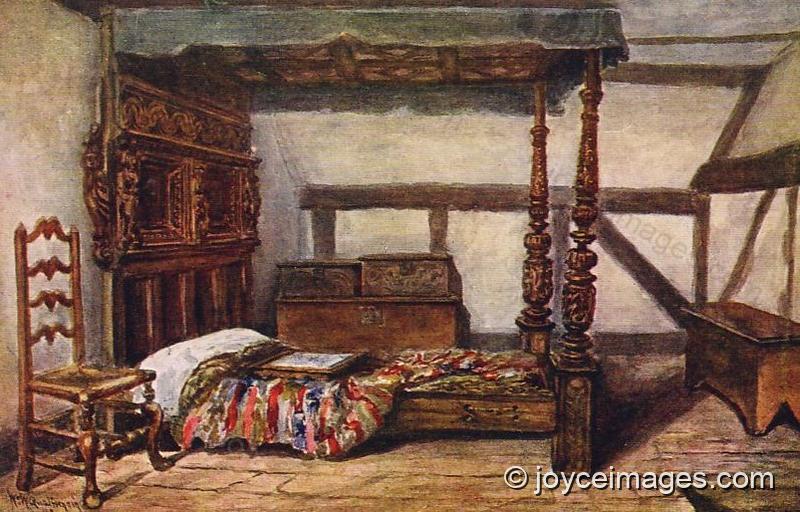
"Why did he not leave her his best bed if he wished her to snore away the rest of her nights in peace?
— It is clear that there were two beds, a best and a secondbest, Mr Secondbest Best said finely.
— Separatio a mensa et a thalamo, bettered Buck Mulligan and was smiled on.
— Antiquity mentions famous beds, Second Eglinton puckered, bedsmiling. Let me think." (U9.712)
— It is clear that there were two beds, a best and a secondbest, Mr Secondbest Best said finely.
— Separatio a mensa et a thalamo, bettered Buck Mulligan and was smiled on.
— Antiquity mentions famous beds, Second Eglinton puckered, bedsmiling. Let me think." (U9.712)
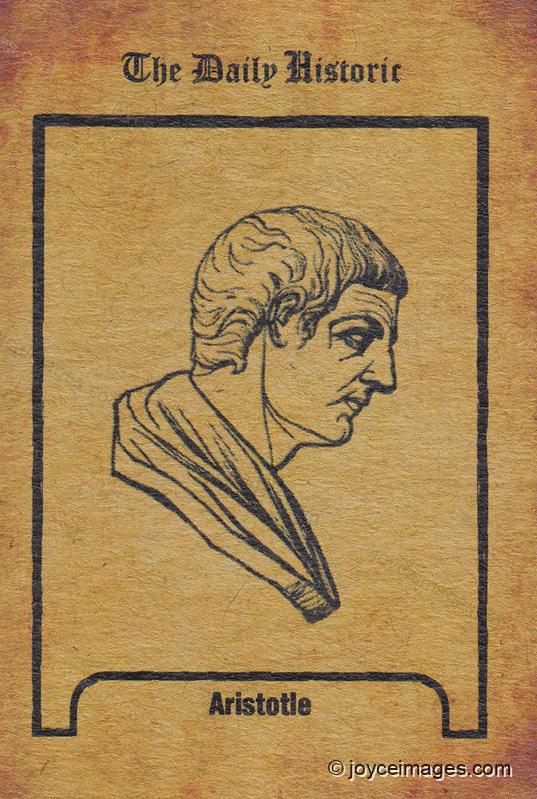
"— Antiquity mentions that Stagyrite schoolurchin and bald heathen sage, Stephen said, who when dying in exile frees and endows his slaves, pays tribute to his elders, wills to be laid in earth near the bones of his dead wife and bids his friends be kind to an old mistress" (U9.720)