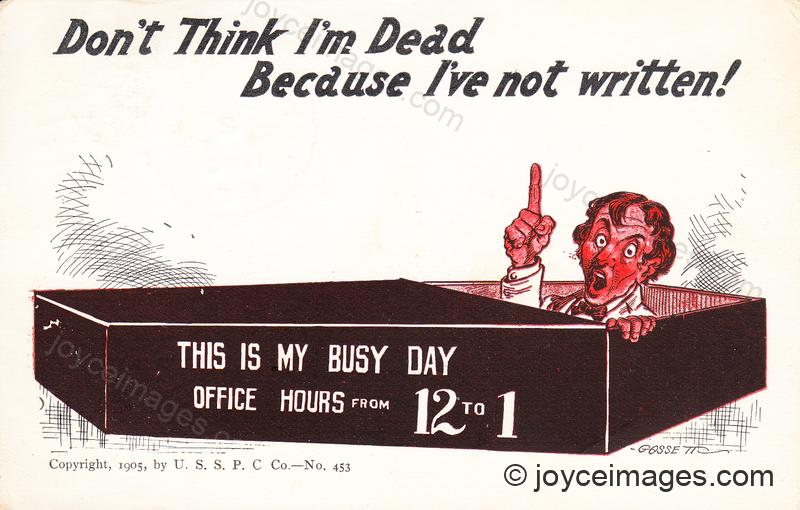
"Bom! Upset. A coffin bumped out on to the road. Burst open. Paddy Dignam shot out and rolling over stiff in the dust in a brown habit too large for him. Red face: grey now. Mouth fallen open. Asking what's up now. Quite right to close it. Looks horrid open. Then the insides decompose quickly. Much better to close up all the orifices. Yes, also. With wax. The sphincter loose. Seal up all." (U6.421)
"— Dunphy's, Mr Power announced as the carriage turned right.
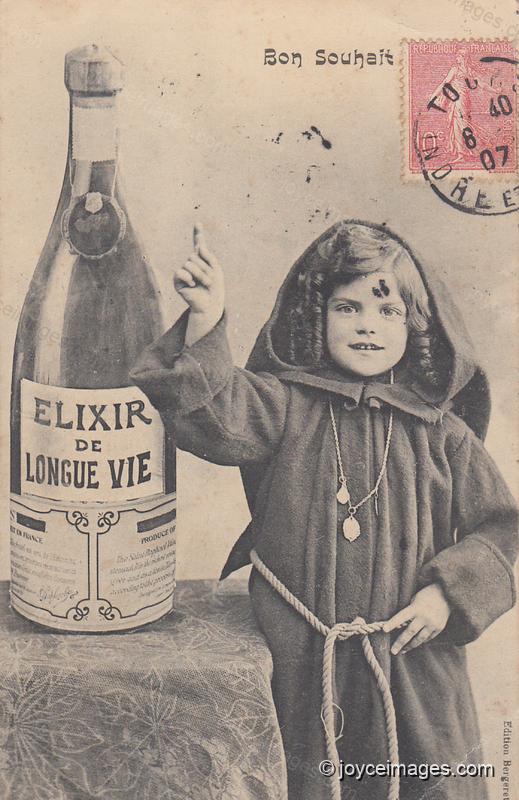
Dunphy's corner. Mourning coaches drawn up, drowning their grief. A pause by the wayside. Tiptop position for a pub. Expect we'll pull up here on the way back to drink his health. Pass round the consolation. Elixir of life.
But suppose now it did happen. Would he bleed if a nail say cut him in the knocking about? He would and he wouldn't, I suppose. Depends on where. The circulation stops. Still some might ooze out of an artery. It would be better to bury them in red: a dark red." (U6.427)
Dunphy's corner. Mourning coaches drawn up, drowning their grief. A pause by the wayside. Tiptop position for a pub. Expect we'll pull up here on the way back to drink his health. Pass round the consolation. Elixir of life.
But suppose now it did happen. Would he bleed if a nail say cut him in the knocking about? He would and he wouldn't, I suppose. Depends on where. The circulation stops. Still some might ooze out of an artery. It would be better to bury them in red: a dark red." (U6.427)
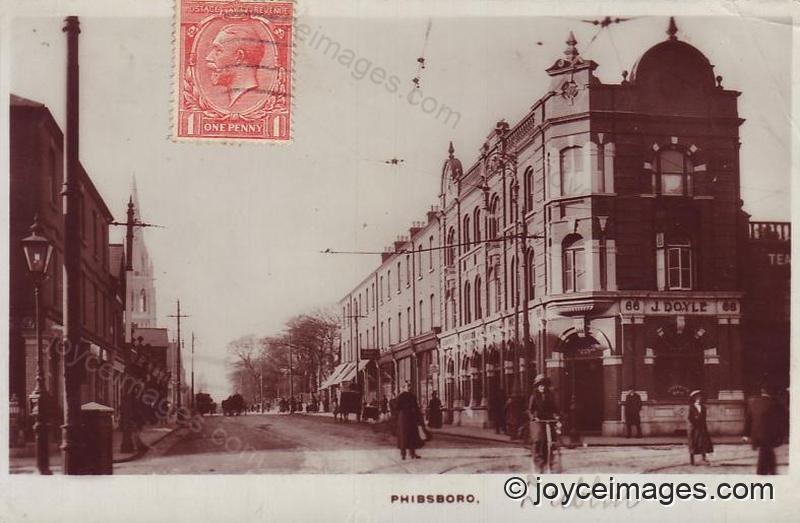
"In silence they drove along Phibsborough road. An empty hearse trotted by, coming from the cemetery: looks relieved." (U6.436)
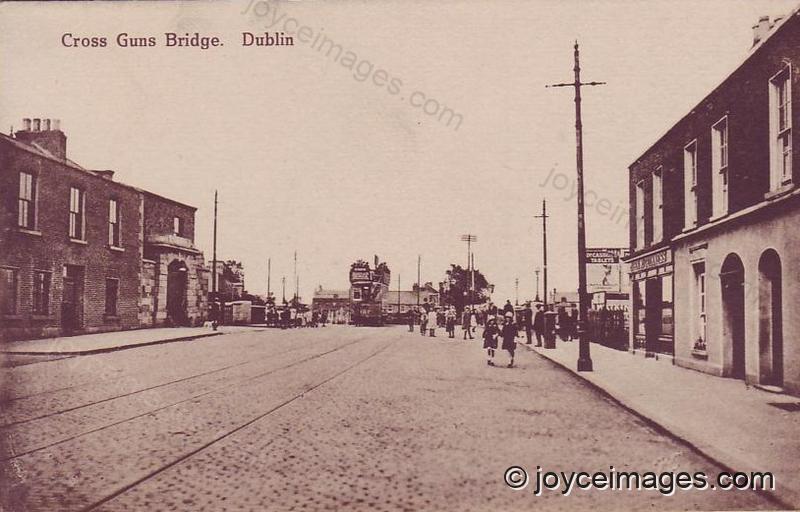
"Crossguns bridge: the royal canal.
Water rushed roaring through the sluices. A man stood on his dropping barge between clamps of turf. On the towpath by the lock a slacktethered horse. Aboard of the Bugabu.
Their eyes watched him. On the slow weedy waterway he had floated on his raft coastward over Ireland drawn by a haulage rope past beds of reeds, over slime, mudchoked bottles, carrion dogs. Athlone," (U6.438)
Water rushed roaring through the sluices. A man stood on his dropping barge between clamps of turf. On the towpath by the lock a slacktethered horse. Aboard of the Bugabu.
Their eyes watched him. On the slow weedy waterway he had floated on his raft coastward over Ireland drawn by a haulage rope past beds of reeds, over slime, mudchoked bottles, carrion dogs. Athlone," (U6.438)
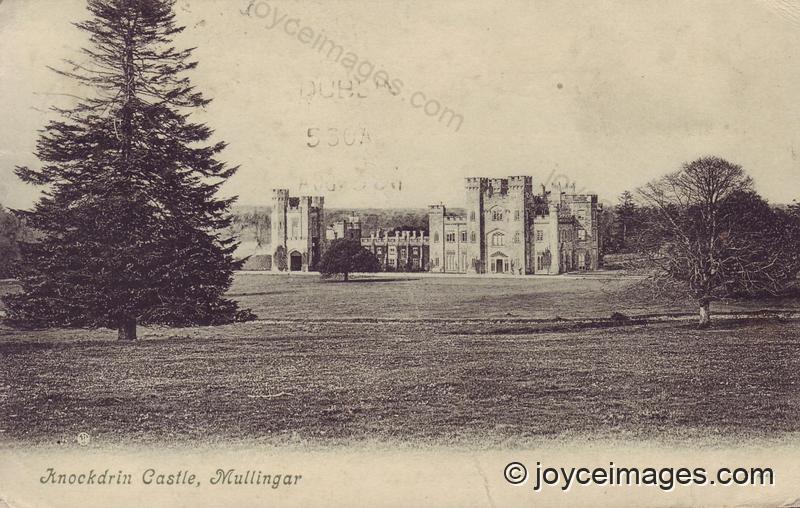
"Mullingar, Moyvalley, I could make a walking tour to see Milly by the canal. water." (U6.444)
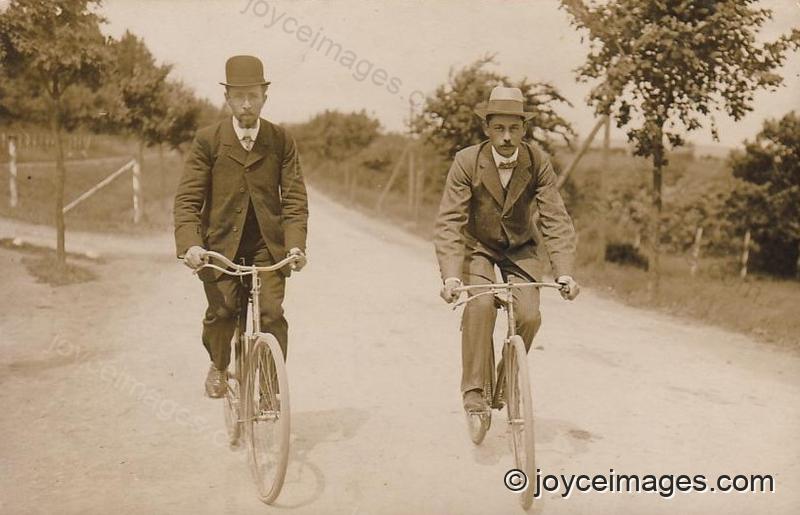
"Or cycle down. Hire some old crock, safety. Wren had one the other day at the auction but a lady's. Developing waterways. James M'Cann's hobby to row me o'er the ferry. Cheaper transit. By easy stages. Houseboats. Camping out. Also hearses. To heaven by water. Perhaps I will without writing. Come as a surprise, Leixlip, Clonsilla. Dropping down lock by lock to Dublin." (U6.445)
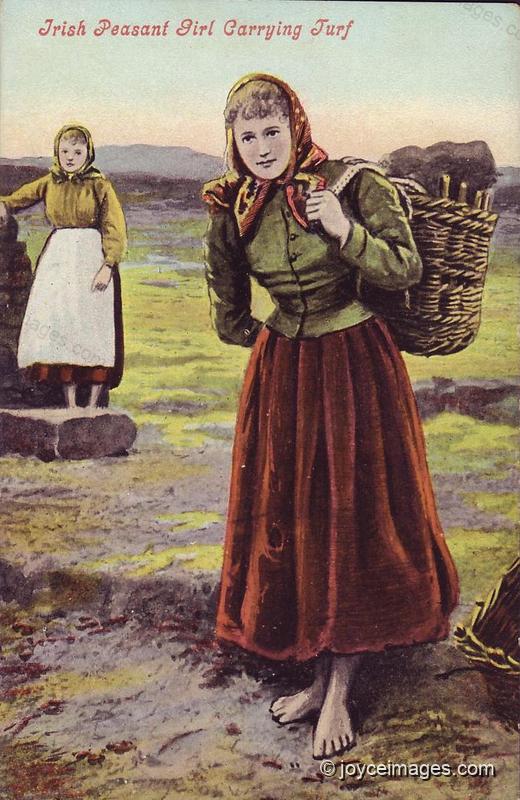
"With turf from the midland bogs. Salute. He lifted his brown straw hat, saluting Paddy Dignam." (U6.451)
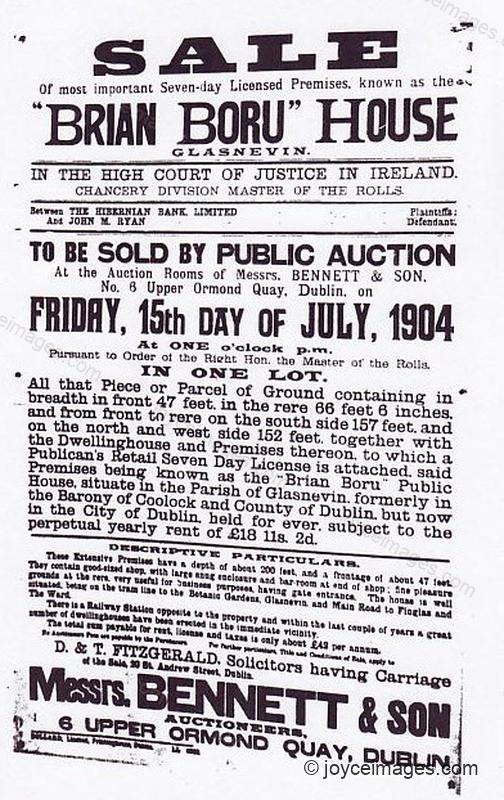
"They drove on past Brian Boroimhe house. Near it now.
- I wonder how is our friend Fogarty getting on, Mr Power said.
- Better ask Tom Kernan, Mr Dedalus said.
- How is that? Martin Cunningham said. Left him weeping, I suppose?
- Though lost to sight, Mr Dedalus said, to memory dear.
The carriage steered left for Finglas road." (U6.453)
(Image courtesy of the ZJJF)
- I wonder how is our friend Fogarty getting on, Mr Power said.
- Better ask Tom Kernan, Mr Dedalus said.
- How is that? Martin Cunningham said. Left him weeping, I suppose?
- Though lost to sight, Mr Dedalus said, to memory dear.
The carriage steered left for Finglas road." (U6.453)
(Image courtesy of the ZJJF)
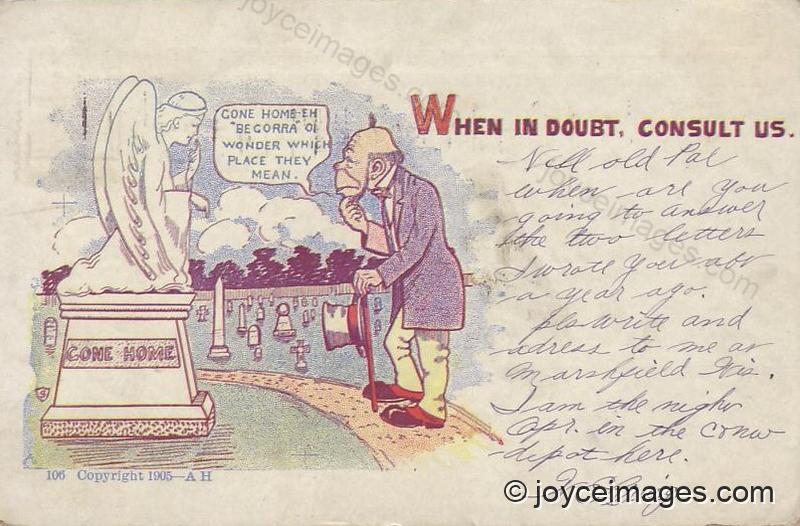
"The stonecutter's yard on the right. Last lap. Crowded on the spit of land silent shapes appeared, white, sorrowful, holding out calm hands, knelt in grief, pointing. Fragments of shapes, hewn. In white silence: appealing. The best obtainable. Thos. H. Dennany, monumental builder and sculptor.
Passed." (U6.459)
Passed." (U6.459)
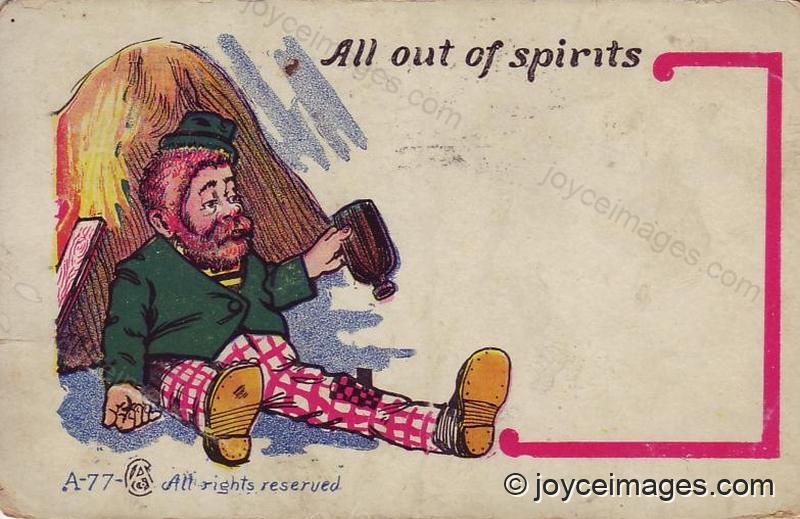
"On the curbstone before Jimmy Geary, the sexton's, an old tramp sat, grumbling, emptying the dirt and stones" (U6.464)
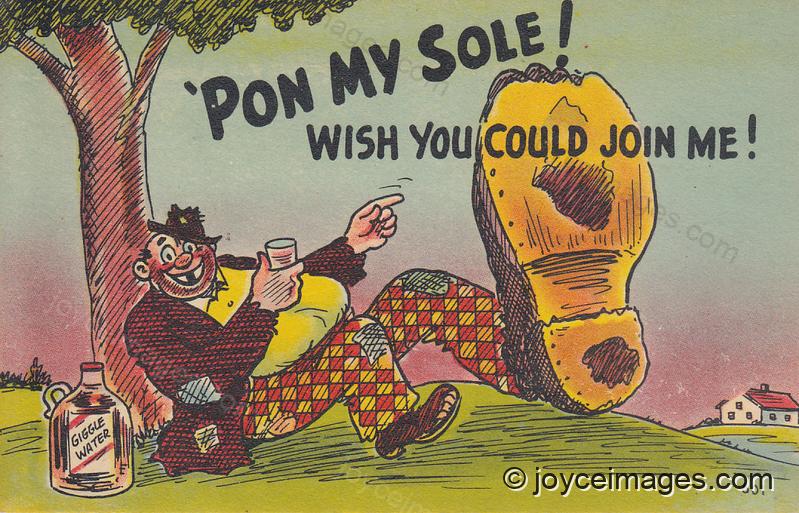
"out of his huge dustbrown yawning boot. After life's journey.
Gloomy gardens then went by: one by one: gloomy houses.
Mr Power pointed.
— That is where Childs was murdered, he said. The last house." (U6.465)
Gloomy gardens then went by: one by one: gloomy houses.
Mr Power pointed.
— That is where Childs was murdered, he said. The last house." (U6.465)
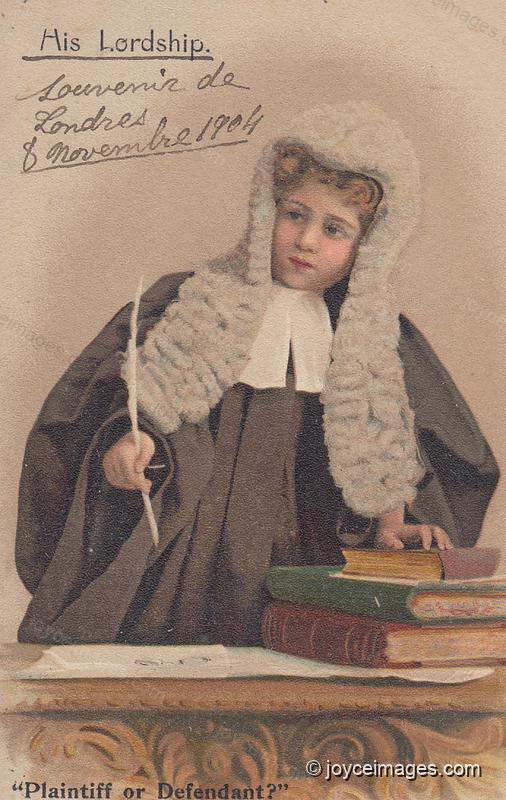
"— So it is, Mr Dedalus said. A gruesome case. Seymour Bushe got him off.
Murdered his brother. Or so they said.
— The crown had no evidence, Mr Power said.
— Only circumstantial, Martin Cunningham added. That's the maxim of the law. Better for ninetynine guilty to escape than for one innocent person to be wrongfully condemned." (U6.470)
Murdered his brother. Or so they said.
— The crown had no evidence, Mr Power said.
— Only circumstantial, Martin Cunningham added. That's the maxim of the law. Better for ninetynine guilty to escape than for one innocent person to be wrongfully condemned." (U6.470)
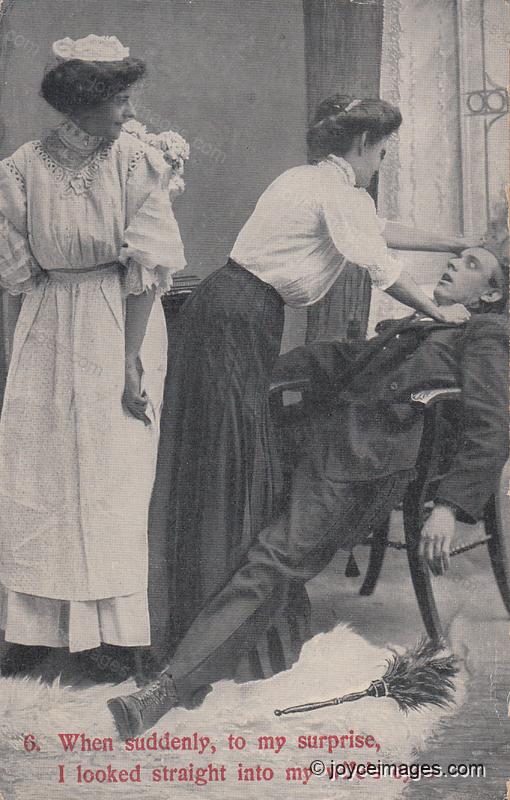
"They looked. Murderer's ground. It passed darkly. Shuttered, tenantless, unweeded garden. Whole place gone to hell. Wrongfully condemned. Murder. The murderer's image in the eye of the murdered. They love reading about it. Man's head found in a garden." (U6.476)
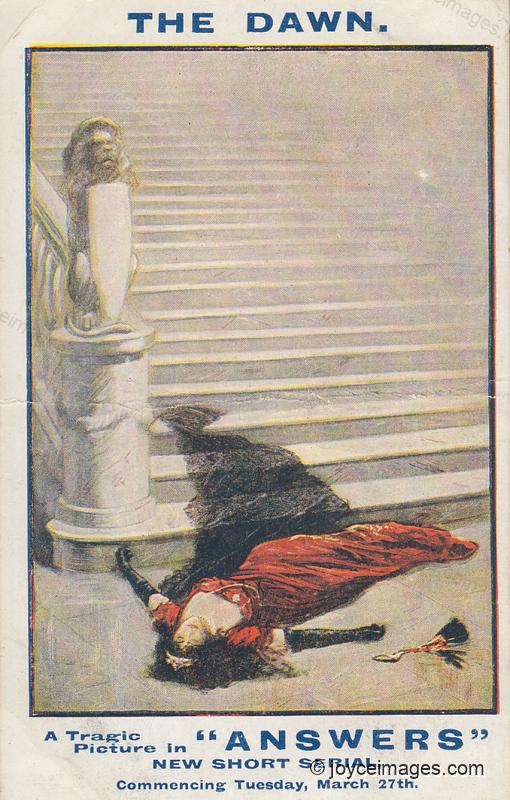
"Her clothing consisted of. How she met her death. Recent outrage. The weapon used. Murderer is still at large. Clues. A shoelace. The body to be exhumed. Murder will out.
Cramped in this carriage." (U6.479)
Cramped in this carriage." (U6.479)
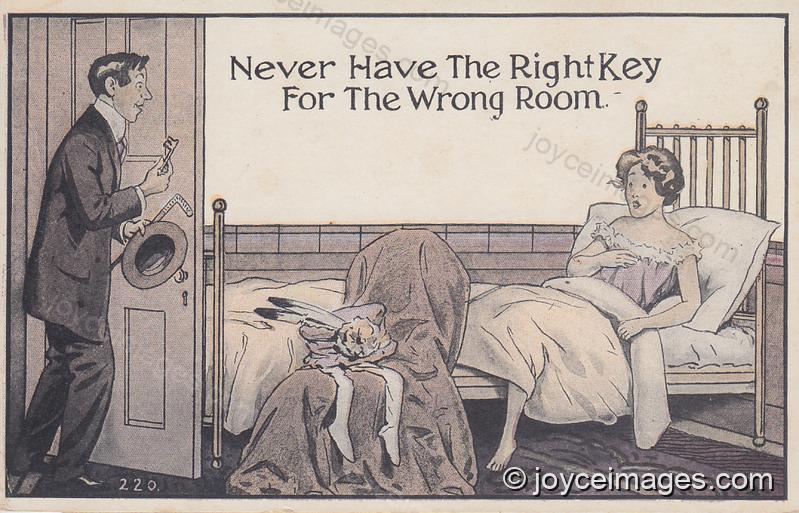
"She mightn't like me to come that way without letting her know. Must be careful about women. Catch them once with their pants down. Never forgive you after. Fifteen." (U6.483)
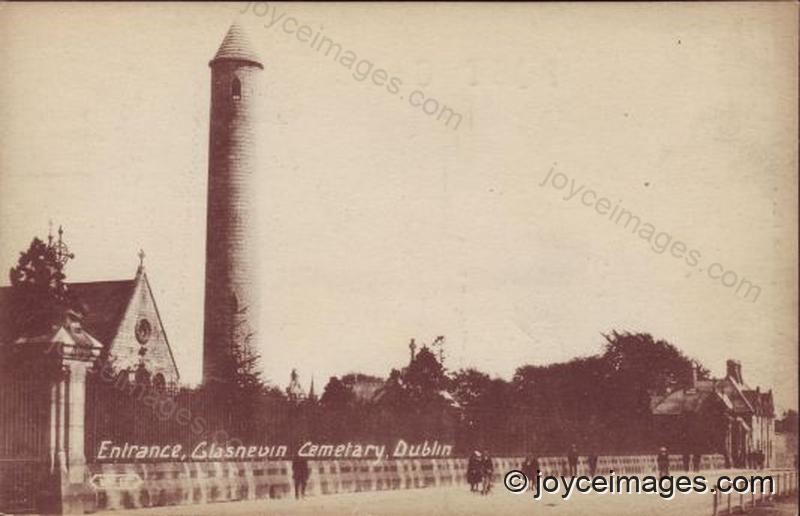
"The high railings of Prospect rippled past their gaze. Dark poplars, rare white forms." (U6.486)