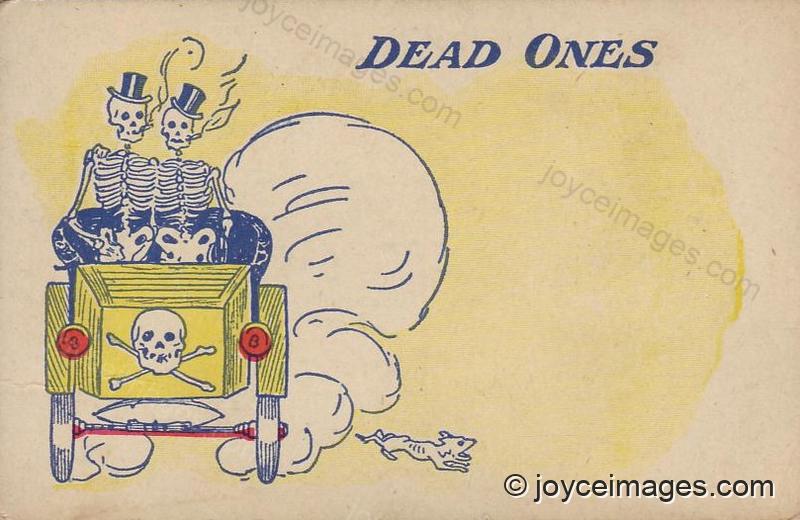
"- The Lord forgive me! Mr Power said, wiping his wet eyes with his fingers. Poor Paddy! I little thought a week ago when I saw him last and he was in his usual health that I'd be driving after him like this. He's gone from us.
- As decent a little man as ever wore a hat, Mr Dedalus said. He went very suddenly.
- Breakdown, Martin Cunningham said. Heart." (U6.299)
- As decent a little man as ever wore a hat, Mr Dedalus said. He went very suddenly.
- Breakdown, Martin Cunningham said. Heart." (U6.299)
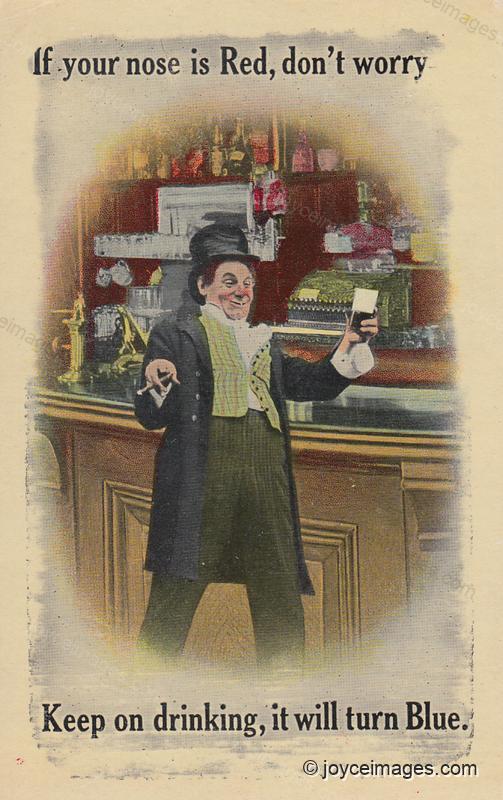
"He tapped his chest sadly.
Blazing face: redhot. Too much John Barleycorn. Cure for a red nose. Drink like the devil till it turns adelite. " (U6.306)
Blazing face: redhot. Too much John Barleycorn. Cure for a red nose. Drink like the devil till it turns adelite. " (U6.306)
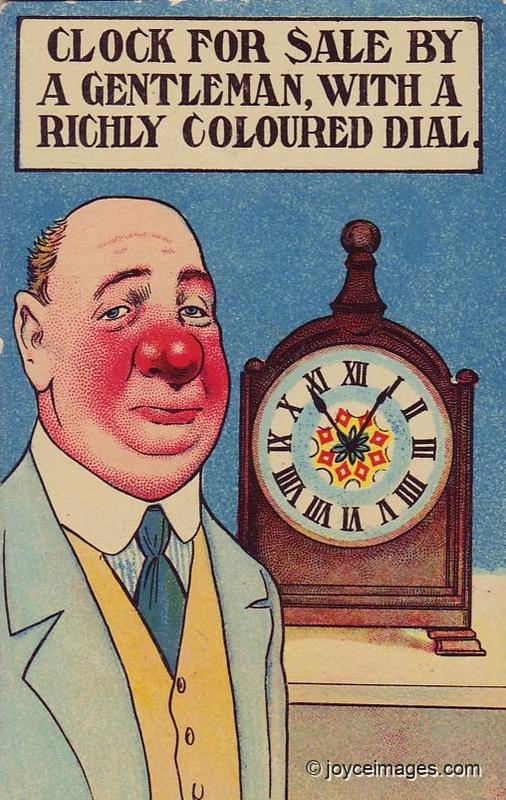
"A lot of money he spent colouring it.
Mr Power gazed at the passing houses with rueful apprehension.
- He had a sudden death, poor fellow, he said.
- The best death, Mr Bloom said.
Their wideopen eyes looked at him.
- No suffering, he said. A moment and all is over. Like dying in sleep.
No-one spoke." (U6.308)
Mr Power gazed at the passing houses with rueful apprehension.
- He had a sudden death, poor fellow, he said.
- The best death, Mr Bloom said.
Their wideopen eyes looked at him.
- No suffering, he said. A moment and all is over. Like dying in sleep.
No-one spoke." (U6.308)
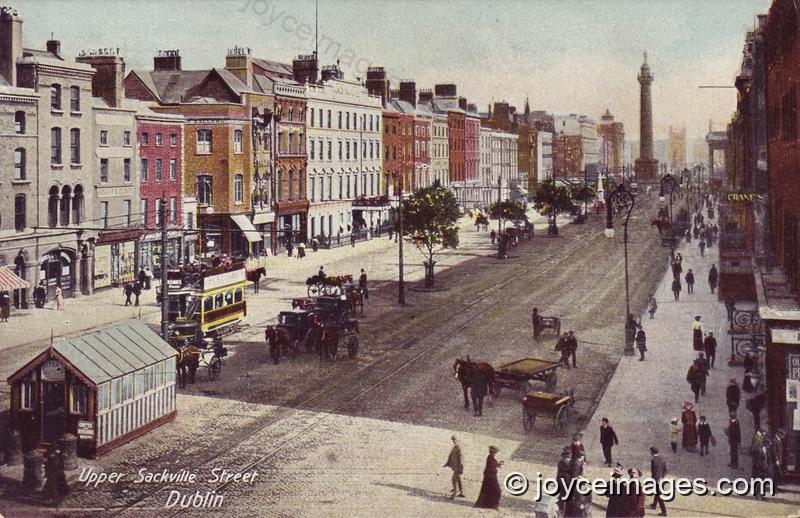
"Dead side of the street this. Dull business by day, land agents, temperance hotel," (U6.316)
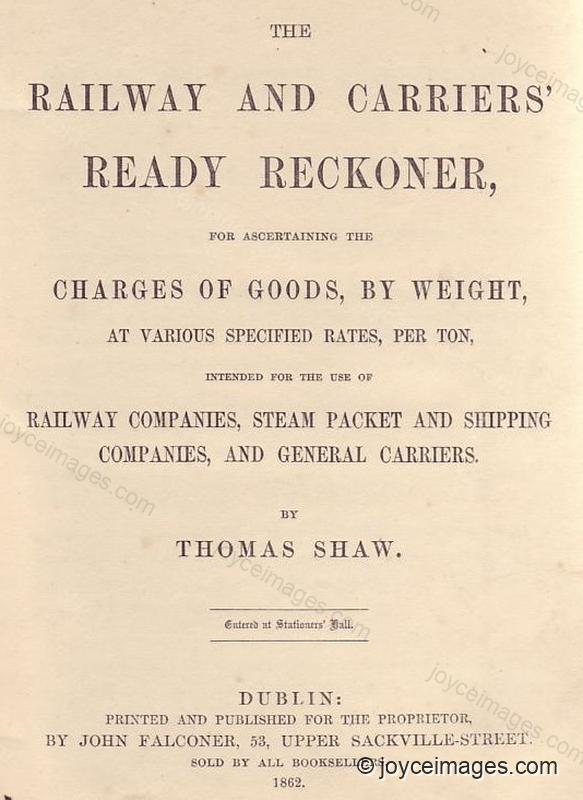
"Falconer's railway guide, civil service college," (U6.317)
Falconer was at 53 Upper Sackville street. This is one of their railway guides, a Ready Reckoner dated 1862.
Falconer was at 53 Upper Sackville street. This is one of their railway guides, a Ready Reckoner dated 1862.
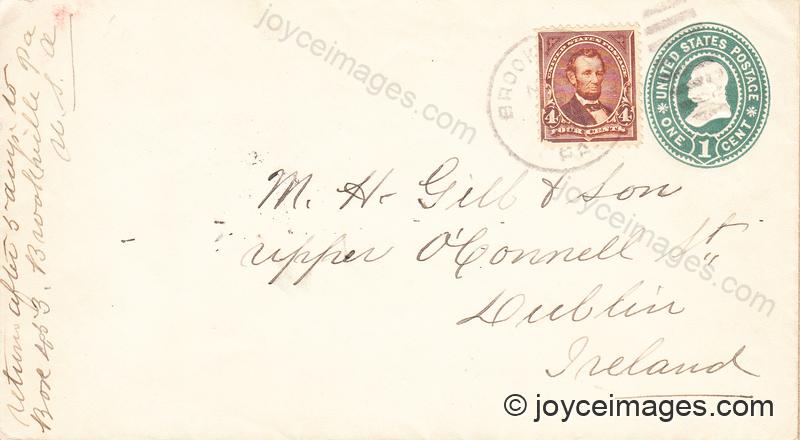
"Gill's," (U6.317)
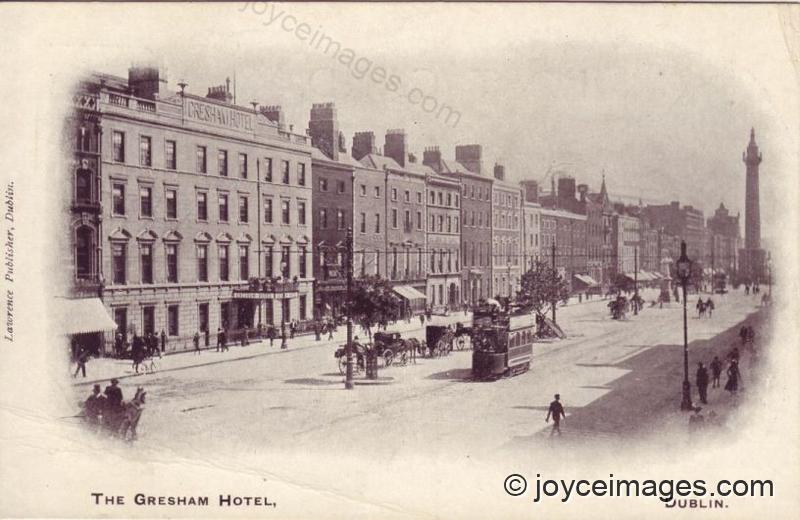
"catholic club," (U6.318)
The Gresham hotel, not mentioned by Bloom, is also on Upper Sackville Street, on the right side as the carriage is driving. It is the hotel where the Conroys stayed in The Dead.
The Gresham hotel, not mentioned by Bloom, is also on Upper Sackville Street, on the right side as the carriage is driving. It is the hotel where the Conroys stayed in The Dead.
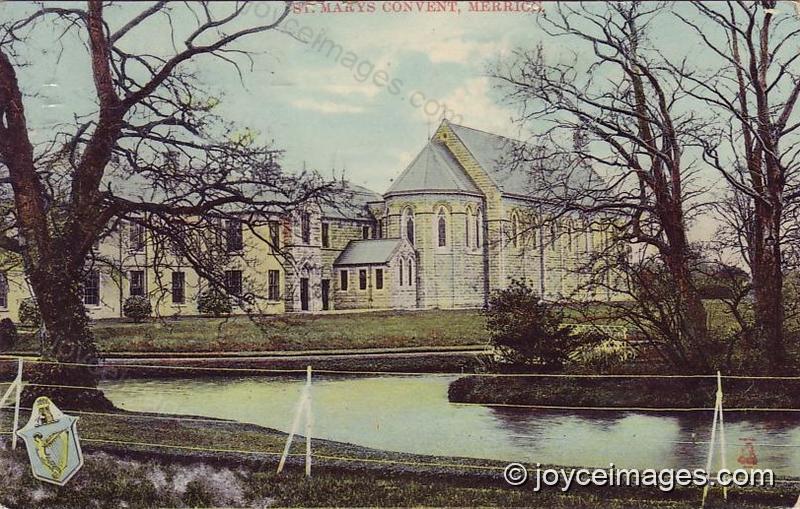
"the industrious blind." (U6.318)
There were 4 Asylums for the Blind in Dublin: * The Richmond National Institution for Industrious Blind, on Upper Sackville street, that the carriage is passing. * St Mary's Blind Asylum for Girls at Merrion, shown in this PC; it was founded 1858, run by the Sisters of Charity, and had 200 inmates; the curriculum included Braille and typewriting, singing and music instruments, basketry, weaving and knitting. * St Joseph's Catholic Male Blind Asylum at Drumcondra Castle; it was founded 1859, run by the Carmelite Brothers, and had 100 inmates. * The Molyneaux Asylum.
There were 4 Asylums for the Blind in Dublin: * The Richmond National Institution for Industrious Blind, on Upper Sackville street, that the carriage is passing. * St Mary's Blind Asylum for Girls at Merrion, shown in this PC; it was founded 1858, run by the Sisters of Charity, and had 200 inmates; the curriculum included Braille and typewriting, singing and music instruments, basketry, weaving and knitting. * St Joseph's Catholic Male Blind Asylum at Drumcondra Castle; it was founded 1859, run by the Carmelite Brothers, and had 100 inmates. * The Molyneaux Asylum.
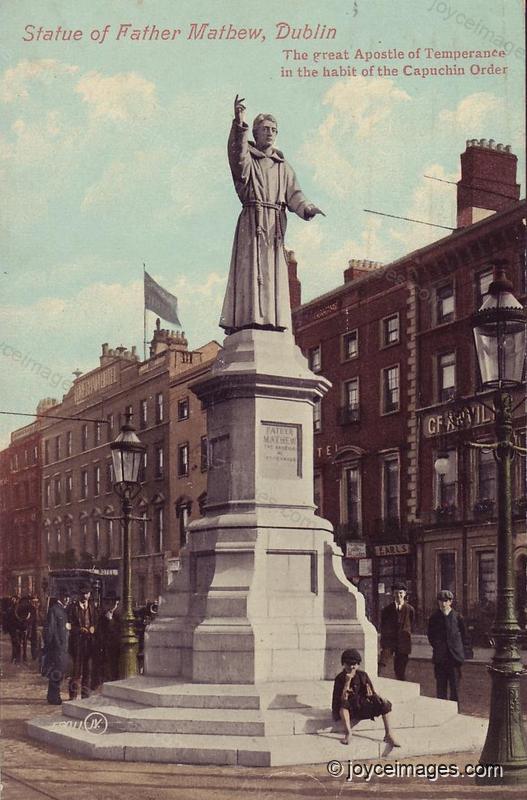
"Under the patronage of the late Father Mathew." (U6.319)
Father Theobald Mathew (1790 - 1856) was a capuchin friar from Cork. He founded, in 1838, the Total Abstinence Society, a moral crusade that rapidly spread throughout Ireland, to reach England and Scotland; some 7 million people 'took the pledge' of abstinence during Father Matthew's time. On this PC, the legend states "Statue of Father Mathew, Dublin. The Great Apostle of Temperance in the Habit of the Capuchin Order." It was unveiled in 1893, and was the work of Irish sculptor Miss Mary Redmond. Coming up behind the statue is the Gresham Hotel (the building with the flag).
Father Theobald Mathew (1790 - 1856) was a capuchin friar from Cork. He founded, in 1838, the Total Abstinence Society, a moral crusade that rapidly spread throughout Ireland, to reach England and Scotland; some 7 million people 'took the pledge' of abstinence during Father Matthew's time. On this PC, the legend states "Statue of Father Mathew, Dublin. The Great Apostle of Temperance in the Habit of the Capuchin Order." It was unveiled in 1893, and was the work of Irish sculptor Miss Mary Redmond. Coming up behind the statue is the Gresham Hotel (the building with the flag).
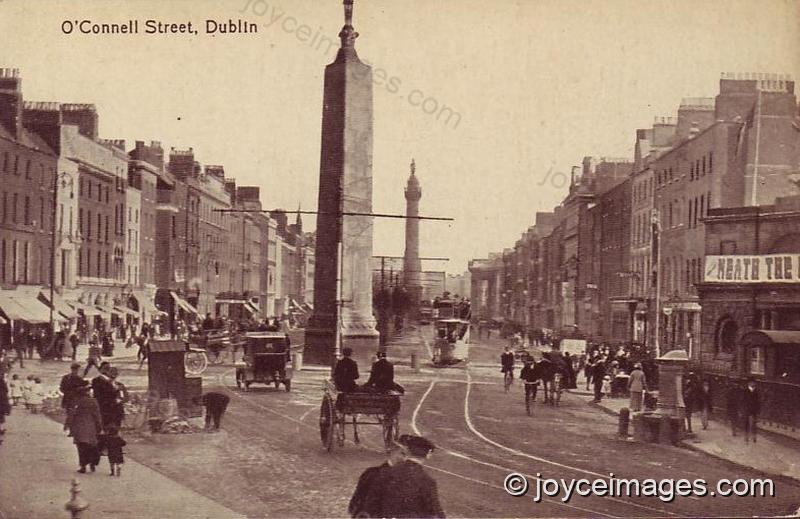
"Foundation stone for Parnell. Breakdown. Heart." (U6.320)
The foundation stone for a monument to Parnell was laid in 1899. This later PC shows Upper Sackville street with the Parnell Monument in place. It is a bronze statue on a pillar of granite designed by artist Augustus Saint-Gaudens. It was unveiled, after much controversy and multiple delays, in 1911.
The foundation stone for a monument to Parnell was laid in 1899. This later PC shows Upper Sackville street with the Parnell Monument in place. It is a bronze statue on a pillar of granite designed by artist Augustus Saint-Gaudens. It was unveiled, after much controversy and multiple delays, in 1911.
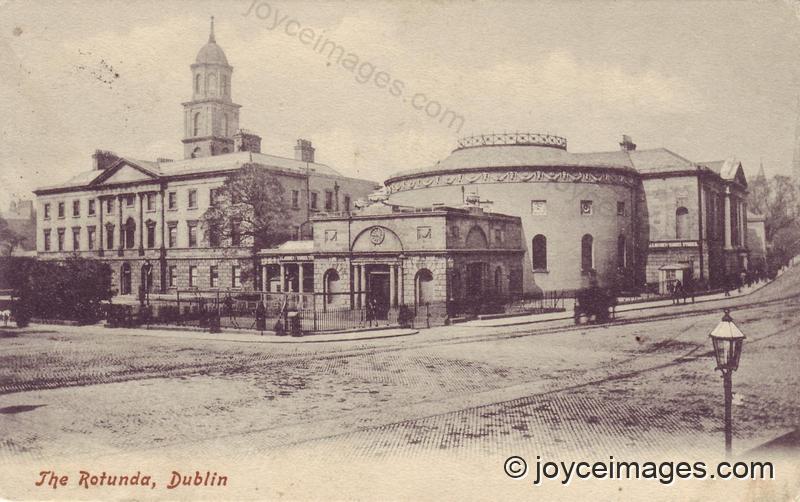
"White horses with white frontlet plumes came round the Rotunda corner, galloping." (U6.321)
'The Rotunda' refers to the maternity hospital originally known as 'The Dublin Lying-In Hospital' founded in 1745. First located in George's Lane, it was moved to its present location in 1757 where it became known as the Rotunda because one of its wings, as seen on this PC, was a circular building.
'The Rotunda' refers to the maternity hospital originally known as 'The Dublin Lying-In Hospital' founded in 1745. First located in George's Lane, it was moved to its present location in 1757 where it became known as the Rotunda because one of its wings, as seen on this PC, was a circular building.
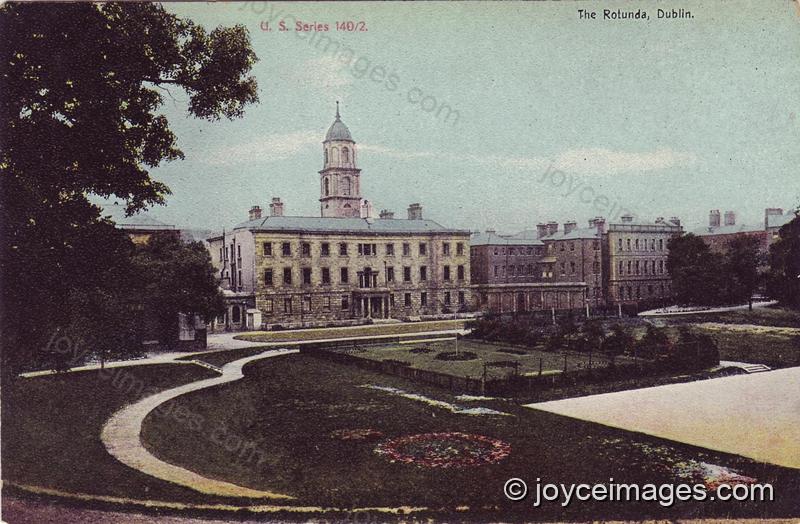
In this PC we see the main buidling of the Rotunda from the back. The Rotunda is the oldest continuously operating maternity hospital in the world. It is estimated that over 300,000 babies have been born there. The first caesarean section in Ireland was performed at the Rotunda in 1889.
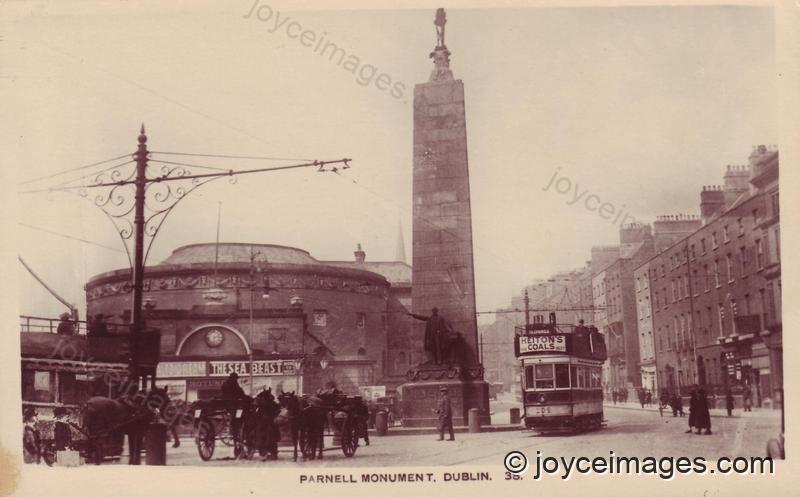
On this later PC, we see the Rotunda proper. This round building was initially the dining room of the maternity hospital. It also served as public meeting rooms, and was rented out for concerts and balls. Since 1928, it houses the Gate theater (here playing the 1926 movie The Sea Beast). Next to the Rotunda we see the Parnell monument; notice that the statue of Parnell is at street level, in contrast to Nelson's pillar where the statue is atop.
"A tiny coffin flashed by. In a hurry to bury. A mourning coach. Unmarried. Black for the married. Piebald for bachelors. Dun for a nun.
- Sad, Martin Cunningham said. A child.
A dwarf's face, mauve and wrinkled like little Rudy's was. Dwarf's body, weak as putty, in a whitelined deal box. Burial friendly society pays." (U6.322)
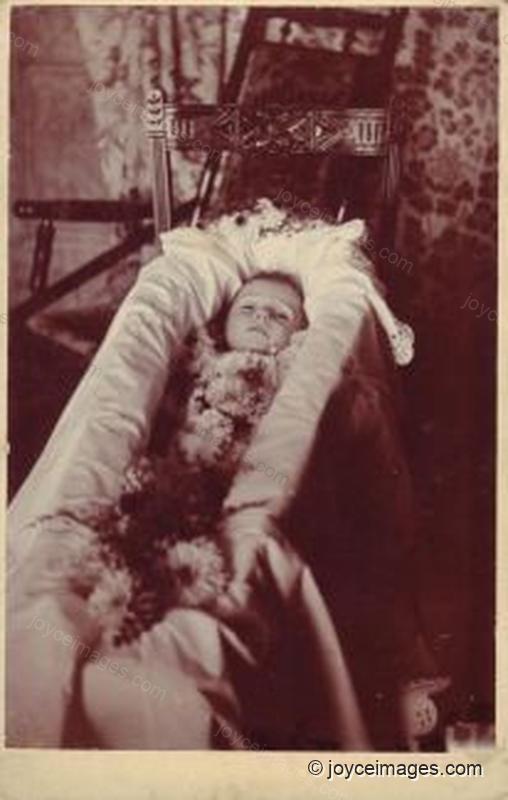
A post-mortem photograph of a Dublin baby in a whitelined box. On the back is handwritten: "Lawrence Patrick, died - March 28th 1893."
- Sad, Martin Cunningham said. A child.
A dwarf's face, mauve and wrinkled like little Rudy's was. Dwarf's body, weak as putty, in a whitelined deal box. Burial friendly society pays." (U6.322)
A post-mortem photograph of a Dublin baby in a whitelined box. On the back is handwritten: "Lawrence Patrick, died - March 28th 1893."
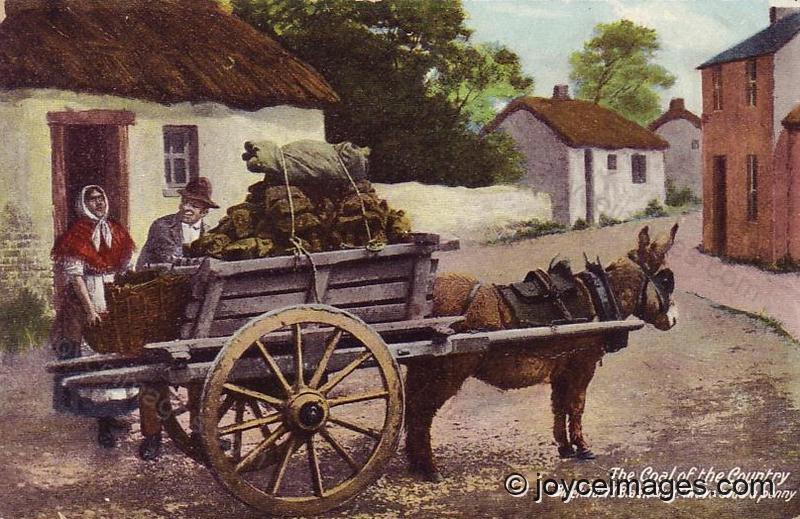
"-Penny a week for a sod of turf. Our. Little. Beggar. Baby. Meant nothing. Mistake of nature." (U6.328)
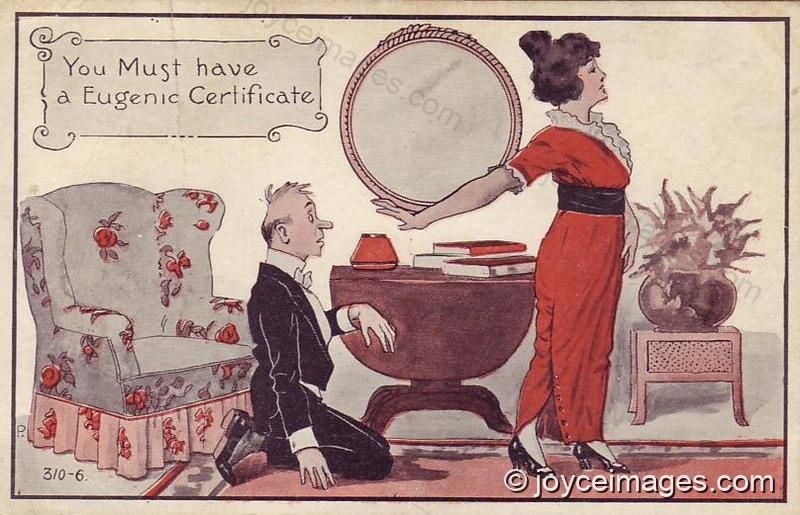
"If it's healthy it's from the mother. If not from the man. Better luck next time." (U6.329)