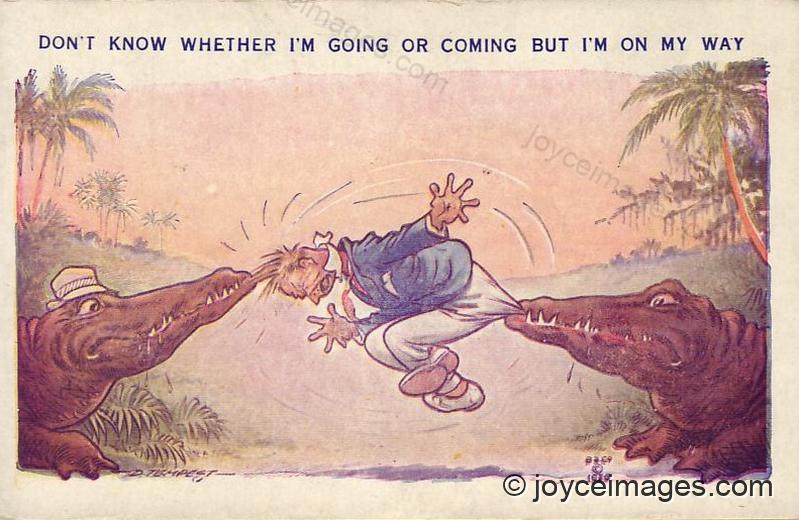
"I seen a crocodile bite the fluke of an anchor same as I chew that quid.
He took out of his mouth the pulpy quid and, lodging it between his teeth, bit ferociously.
- Khaan! Like that." (U16.465)
He took out of his mouth the pulpy quid and, lodging it between his teeth, bit ferociously.
- Khaan! Like that." (U16.465)
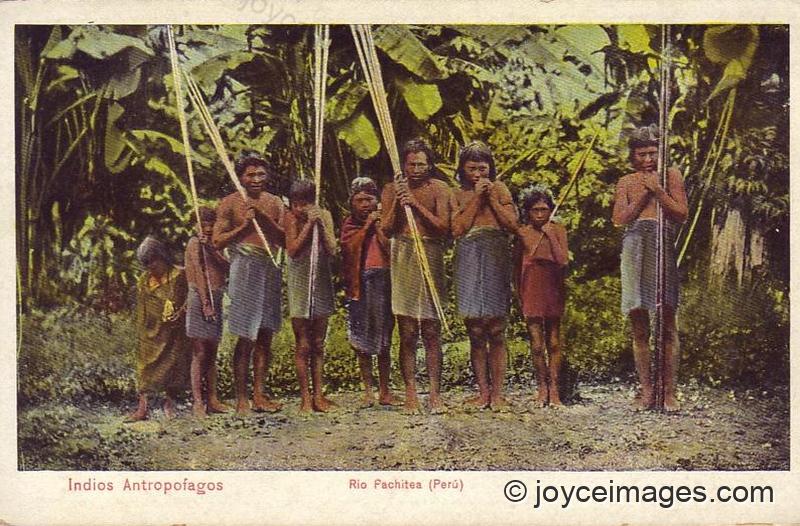
"And I seen maneaters in Peru that eats corpses and the livers of horses. Look here. Here they are. A friend of mine sent me.
He fumbled out a picture postcard from his inside pocket, which seemed to be in its way a species of repository, and pushed it along the table." (U16.470)
He fumbled out a picture postcard from his inside pocket, which seemed to be in its way a species of repository, and pushed it along the table." (U16.470)
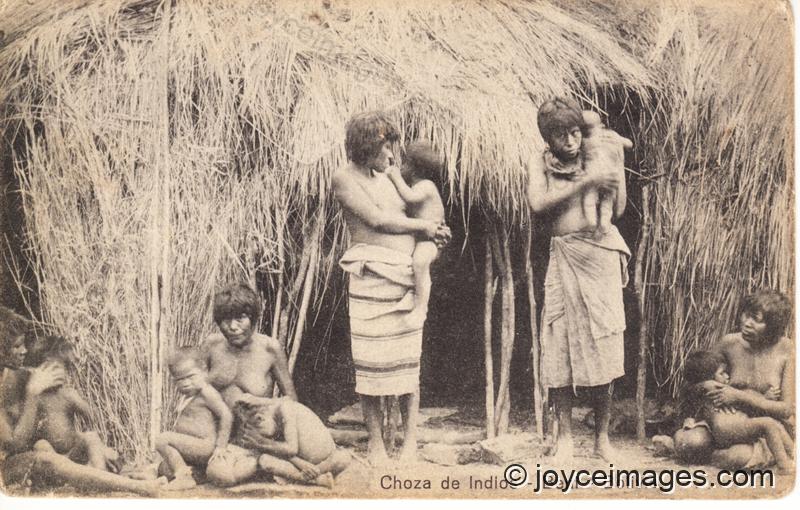
"The printed matter on it stated: Choza de Indios. Beni, Bolivia.
All focussed their attention at the scene exhibited, a group of savage women in striped loincloths, squatted, blinking, suckling, frowning, sleeping amid a swarm of infants (there must have been quite a score of them) outside some primitive shanties of osier.
— Chews coca all day, the communicative tarpaulin added. Stomachs like breadgraters. Cuts off their diddies when they can't bear no more children. See them sitting there stark ballocknaked eating a dead horse's liver raw." (U16.474)
All focussed their attention at the scene exhibited, a group of savage women in striped loincloths, squatted, blinking, suckling, frowning, sleeping amid a swarm of infants (there must have been quite a score of them) outside some primitive shanties of osier.
— Chews coca all day, the communicative tarpaulin added. Stomachs like breadgraters. Cuts off their diddies when they can't bear no more children. See them sitting there stark ballocknaked eating a dead horse's liver raw." (U16.474)
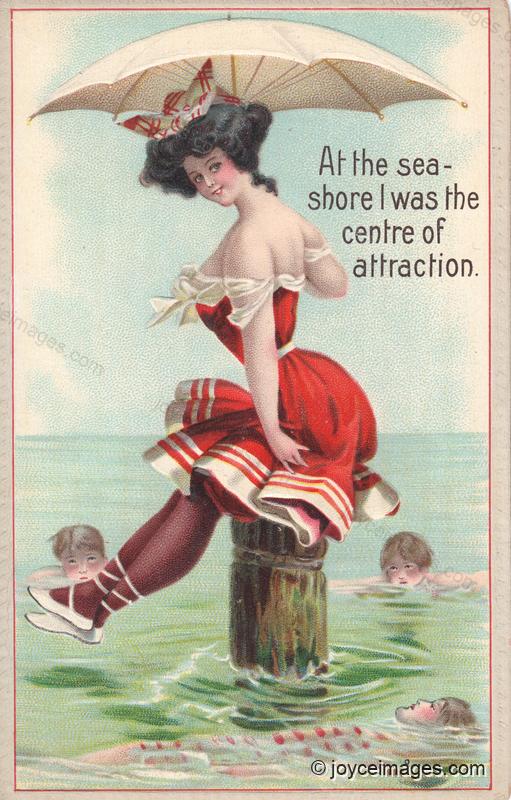
"His postcard proved a centre of attraction for Messrs the greenhorns for several minutes if not more." (U16.482)
"— Know how to keep them off? he inquired generally.
Nobody volunteering a statement he winked, saying:
— Glass. That boggles 'em. Glass." (U16.484)
Nobody volunteering a statement he winked, saying:
— Glass. That boggles 'em. Glass." (U16.484)
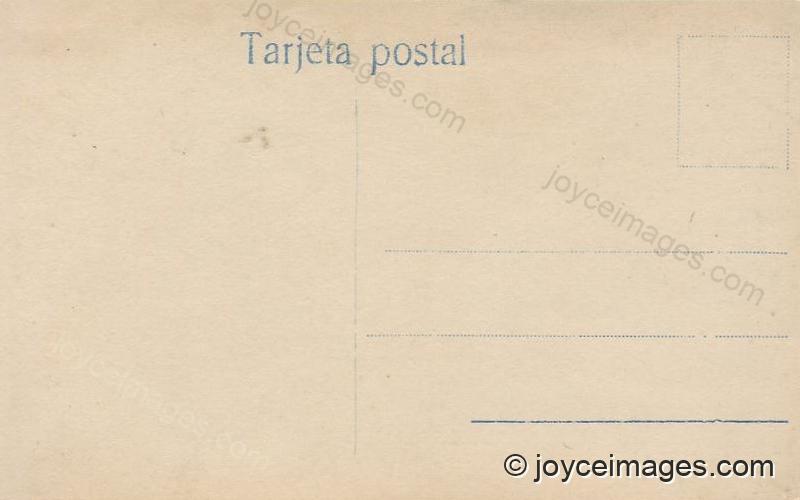
"Mr Bloom, without evincing surprise, unostentatiously turned over the card to peruse the partially obliterated address and postmark. It ran as follows: Tarjeta Postal, Senor A Boudin," (U16.487)
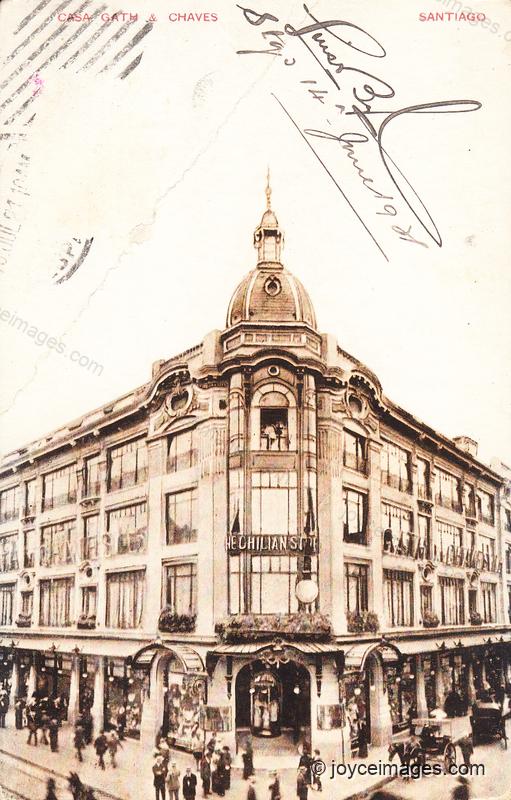
"Galeria Becche, Santiago, Chile.
There was no message evidently, as he took particular notice." (U16.489)
There was no message evidently, as he took particular notice." (U16.489)
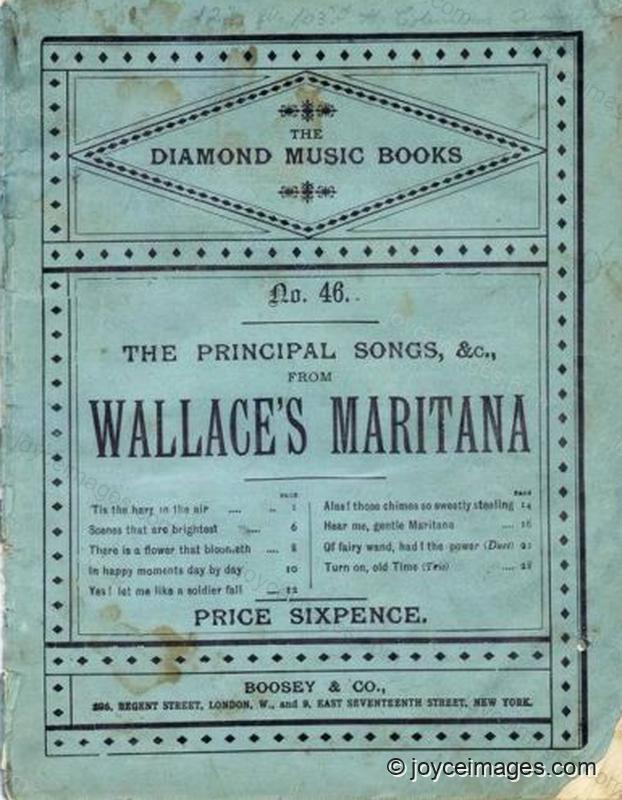
"Though not an implicit believer in the lurid story narrated (or the eggsniping transaction for that matter despite William Tell and the Lazarillo-Don Cesar de Bazan incident depicted in Maritana on which occasion the former's ball passed through the latter's hat) having detected a discrepancy between his name (assuming he was the person he represented himself to be and not sailing under false colours after having boxed the compass on the strict q.t. somewhere) and the fictitious addressee of the missive which made him nourish some suspicions of our friend's bona fides" (U16.491)
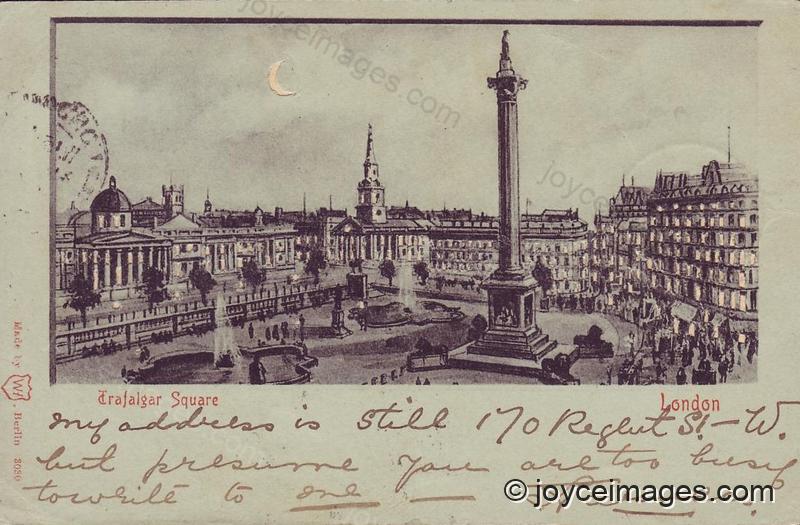
"nevertheless it reminded him in a way of a longcherished plan he meant to one day realise some Wednesday or Saturday of travelling to London via long sea" (U16.499)
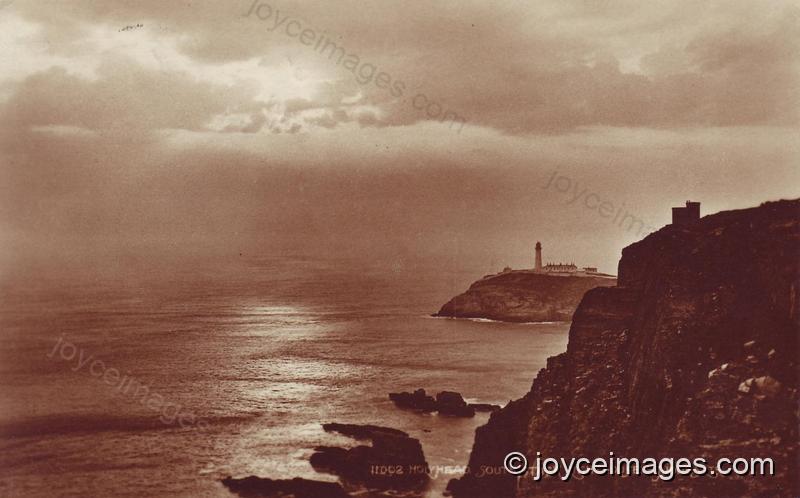
"not to say that he had ever travelled extensively to any great extent but he was at heart a born adventurer though by a trick of fate he had consistently remained a landlubber except you call going to Holyhead which was his longest.
Martin Cunningham frequently said he would work a pass through Egan but some deuced hitch or other eternally cropped up with the net result that the scheme fell through. But even suppose it did come to planking down the needful and breaking Boyd's heart" (U16.501)
Martin Cunningham frequently said he would work a pass through Egan but some deuced hitch or other eternally cropped up with the net result that the scheme fell through. But even suppose it did come to planking down the needful and breaking Boyd's heart" (U16.501)
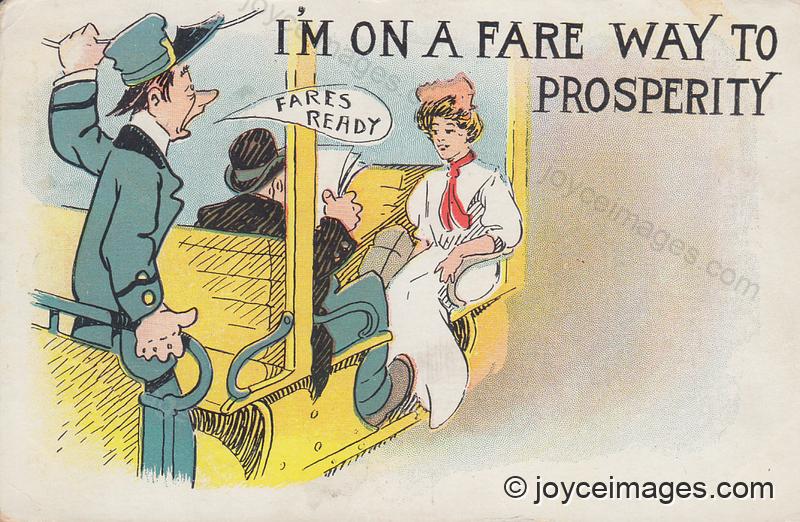
"it was not so dear, purse permitting, a few guineas at the outside considering the fare to Mullingar where he figured on going was five and six, there and back. The trip would benefit health on account of the bracing ozone and be in every way thoroughly pleasurable, especially for a chap whose liver was out of order, seeing the different places along the route, Plymouth, Falmouth, Southampton and so on" (U16.507)
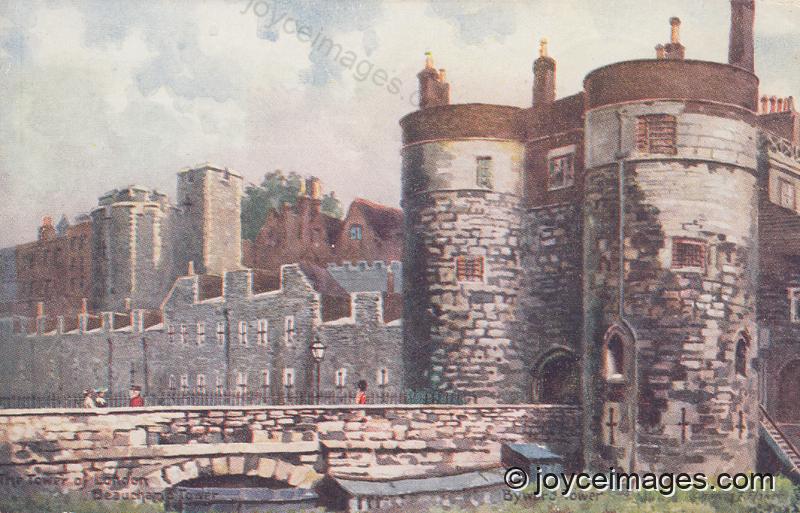
"culminating in an instructive tour of the sights of the great metropolis, the spectacle of our modern Babylon where doubtless he would see the greatest improvement, tower," (U16.513)
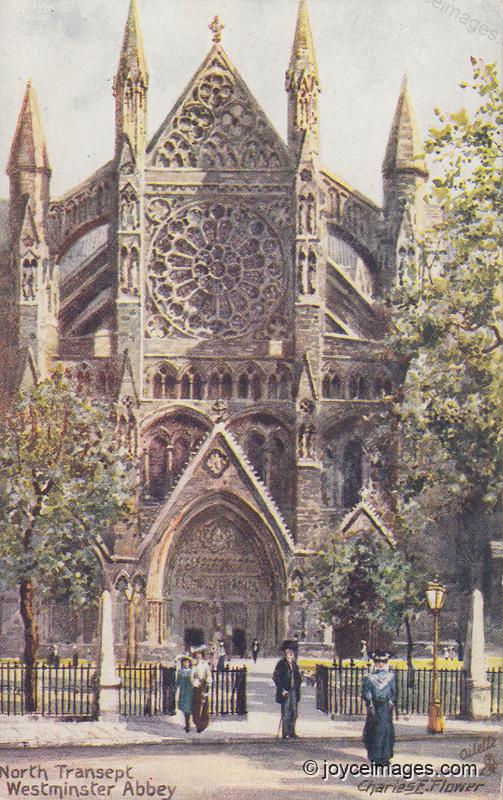
"abbey, wealth of Park lane to renew acquaintance with. Another thing just struck him as a by no means bad notion was he might have a gaze around on the spot to see about trying to make arrangements about a concert tour of summer music embracing the most prominent pleasure resorts," (U16.515)
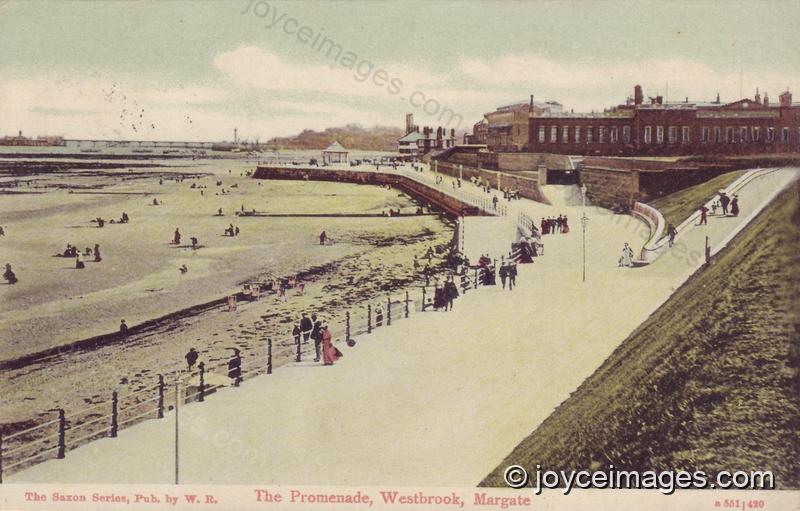
"Margate with mixed bathing and firstrate hydros and spas," (U16.519)
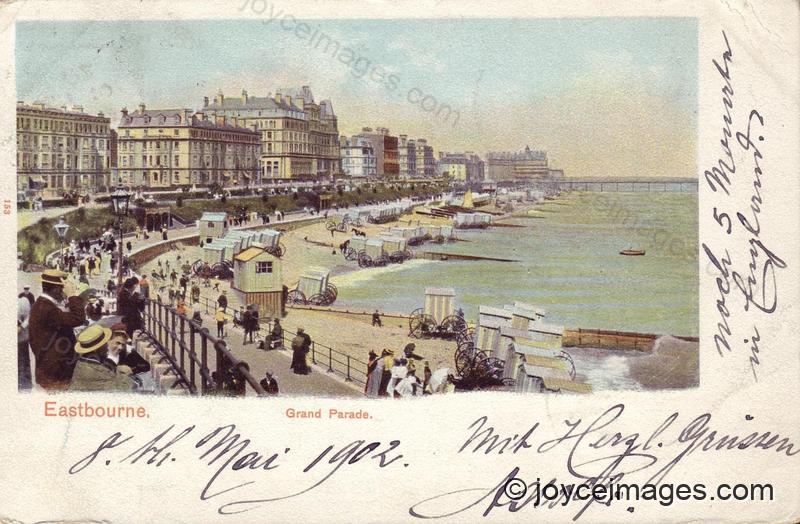
"Eastbourne," (U16.520)
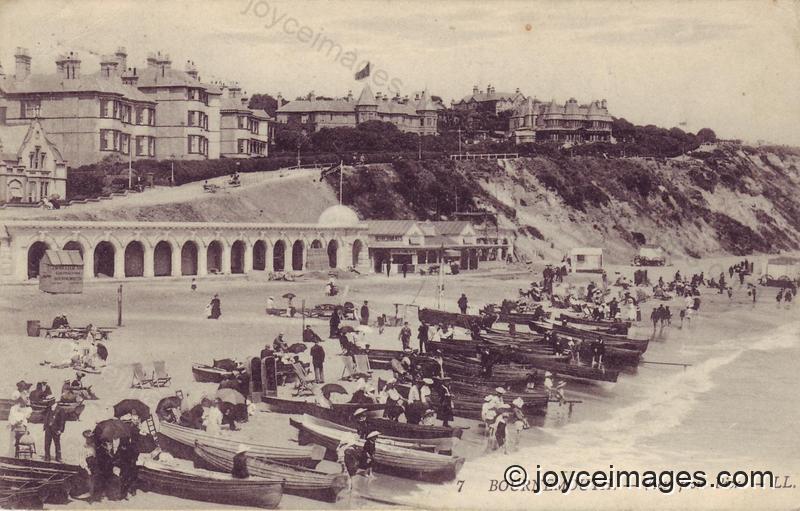
"Scarborough, Margate and so on, beautiful Bournemouth, the Channel islands and similar bijou spots, which might prove highly remunerative. Not, of course, with a hole and corner scratch company or local ladies on the job, witness Mrs C P M'Coy type lend me your valise and I'll post you the ticket." (U16.520)