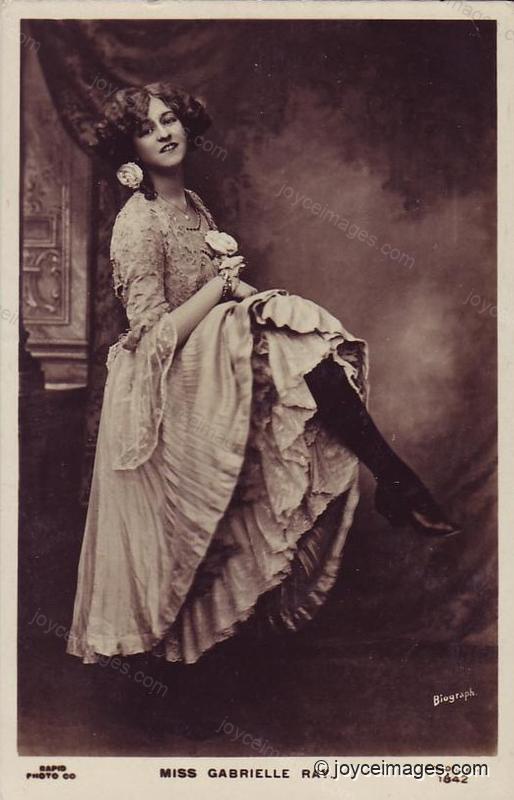
"Gerty smiled assent and bit her lip. A delicate pink crept into her pretty cheek but she was determined to let them see so she just lifted her skirt a little but just enough and took good aim and gave the ball a jolly good kick and it went ever so far and the two twins after it down towards the shingle." (U13.360)
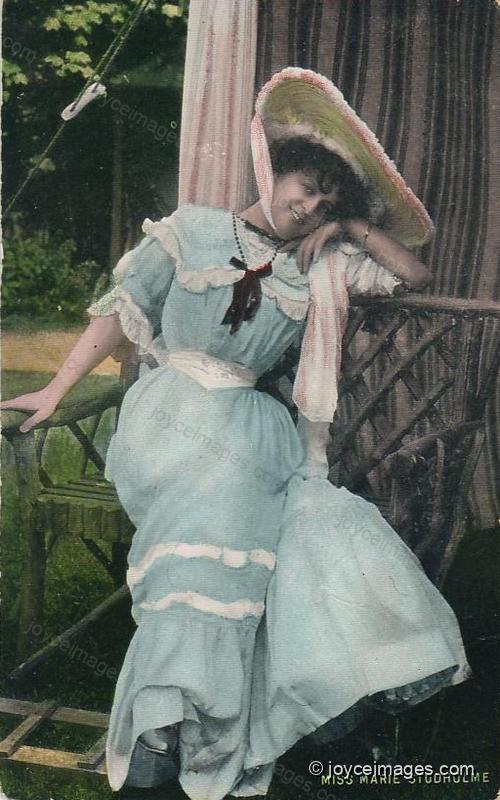
"Pure jealousy of course it was, nothing else to draw attention on account of the gentleman opposite looking. She felt the warm flush, a danger signal always with Gerty MacDowell, surging and flaming into her cheeks. Till then they had only exchanged glances of the most casual but now under the brim of her new hat she ventured a look at him and the face that met her gaze there in the twilight, wan and strangely drawn, seemed to her the saddest she had ever seen." (U12.364)
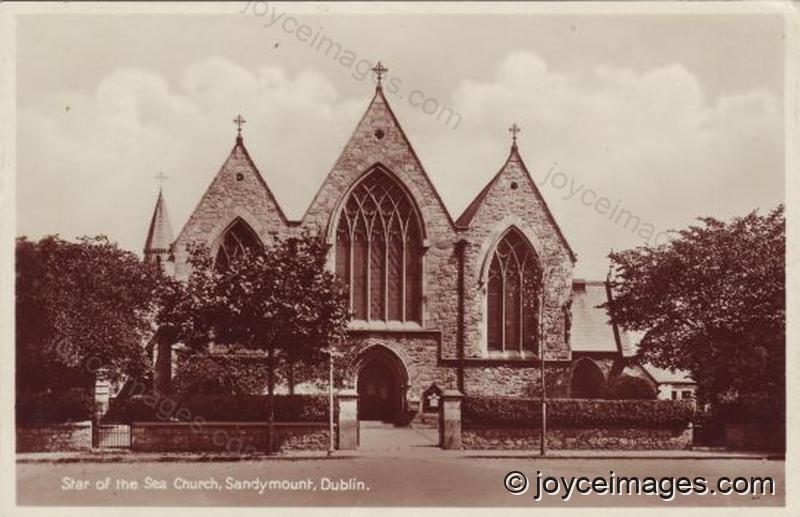
"Through the open window of the church the fragrant incense was wafted" (U13.371)
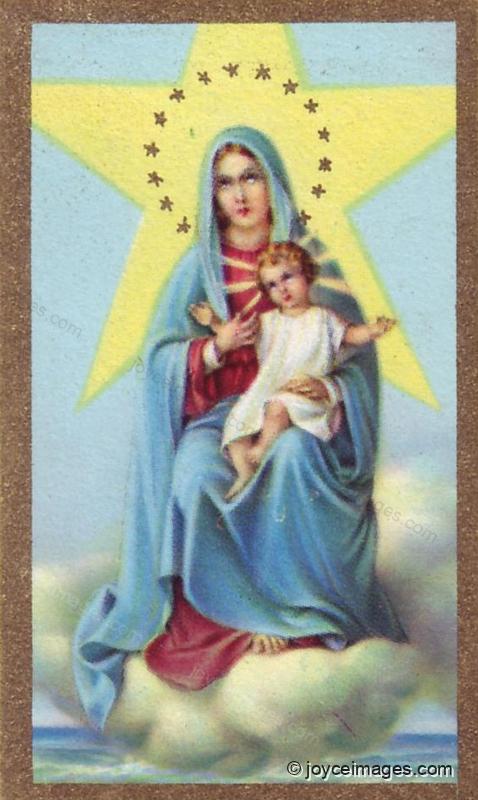
"and with it the fragrant names of her who was conceived without stain of original sin, spiritual vessel, pray for us, honourable vessel, pray for us," (U13.372)
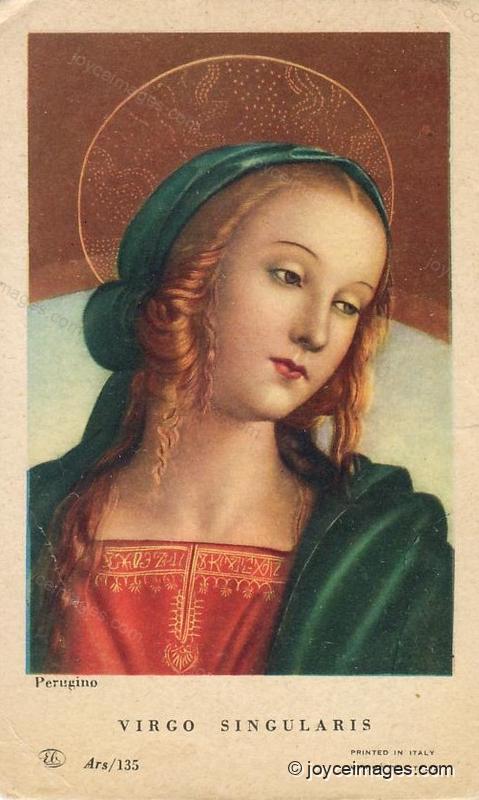
" vessel of singular devotion, pray for us," (U13.374)
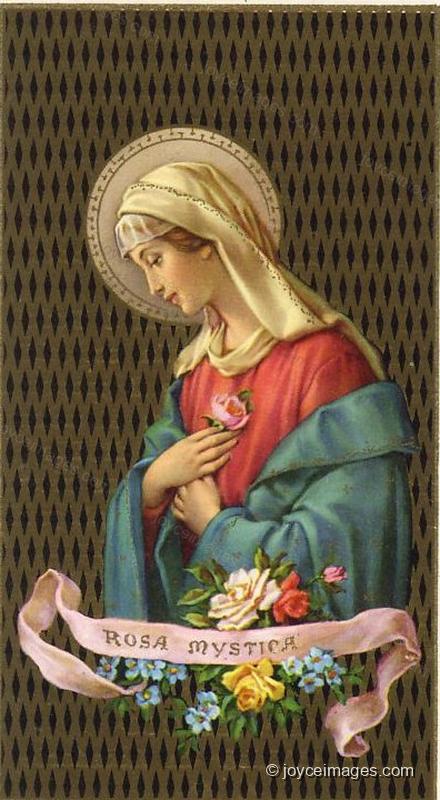
"mystical rose." (U13.374)
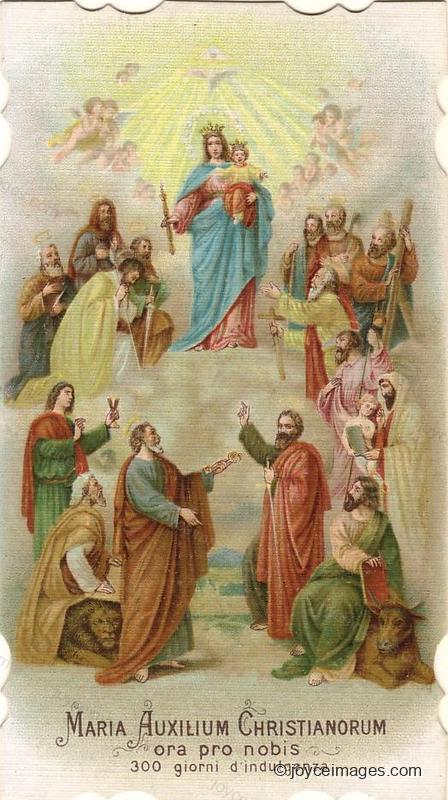
"And careworn hearts were there and toilers for their daily bread and many who had erred and wandered, their eyes wet with contrition but for all that bright with hope" (U13.374)
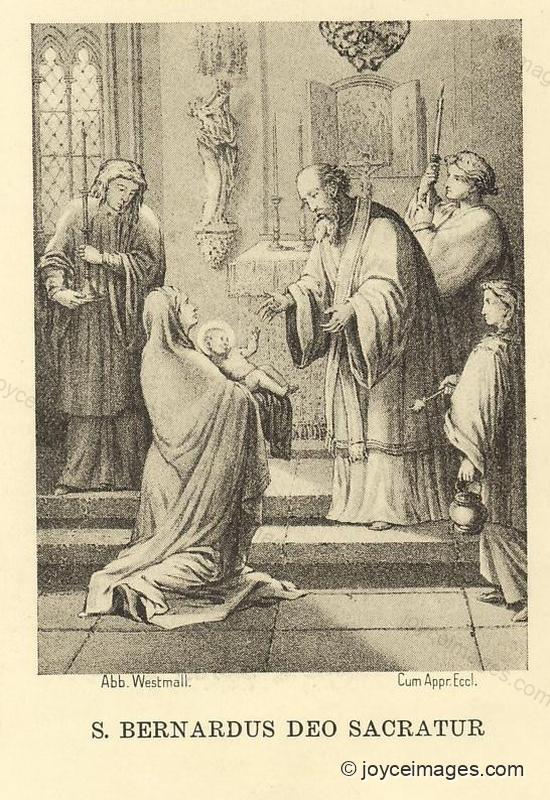
"for the reverend father Hughes had told them what the great saint Bernard said in his famous prayer of Mary," (U13.377)
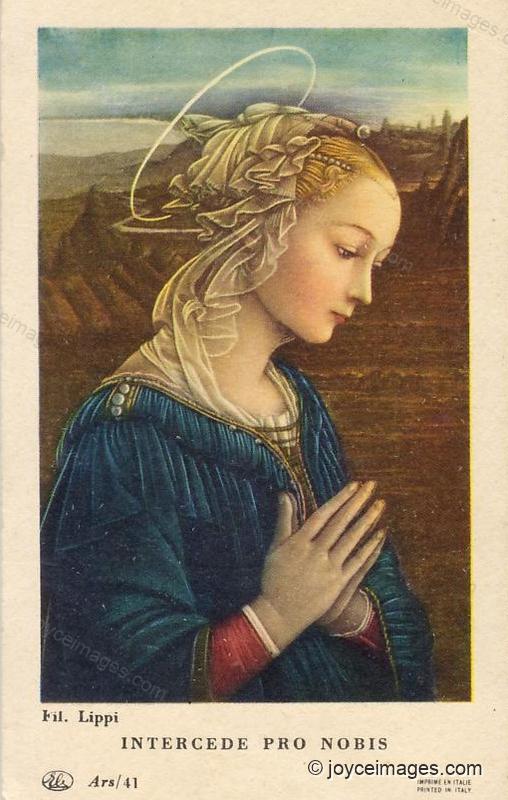
"the most pious Virgin's intercessory power that it was not recorded in any age that those who implored her powerful protection were ever abandoned by her." (U13.378)
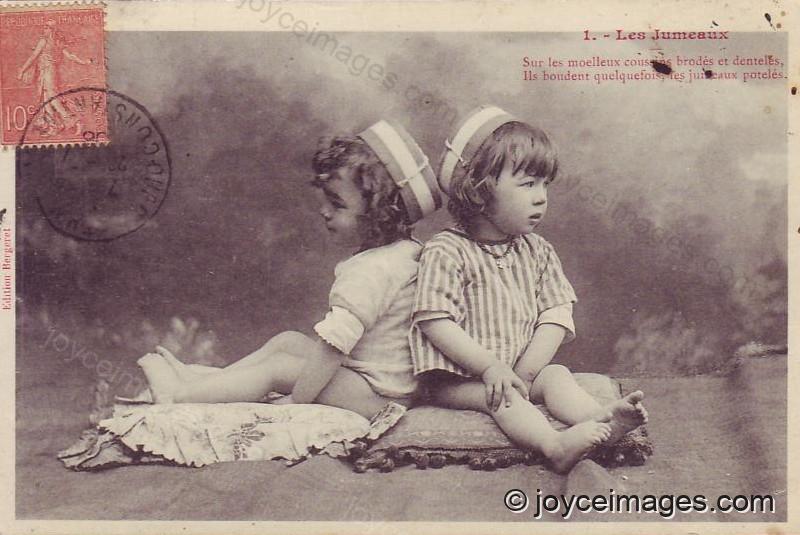
"The twins were now playing again right merrily for the troubles of childhood are but as fleeting summer showers." (U13.381)
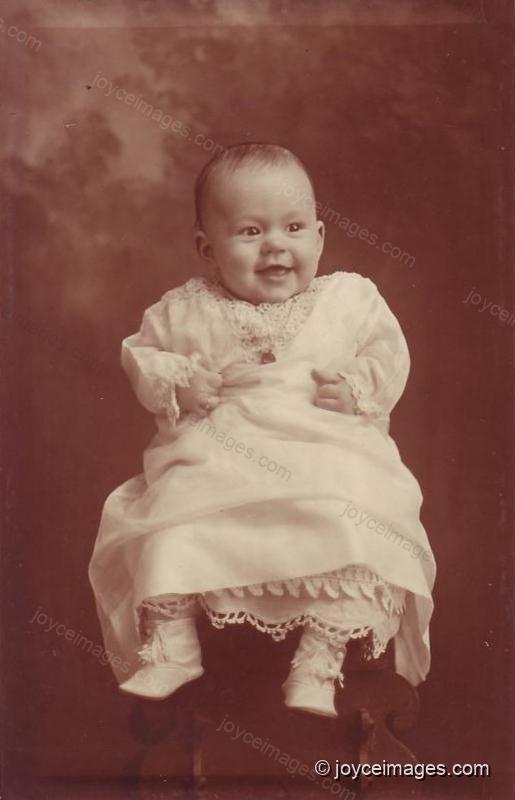
"Cissy Caffrey played with baby Boardman till he crowed with glee, clapping baby hands in air. Peep she cried behind the hood of the pushcar and Edy asked where was Cissy gone and then Cissy popped up her head and cried ah! and, my word, didn't the little chap enjoy that! And then she told him to say papa.
- Say papa, baby. Say pa pa pa pa pa pa pa. " (U13.382)
- Say papa, baby. Say pa pa pa pa pa pa pa. " (U13.382)
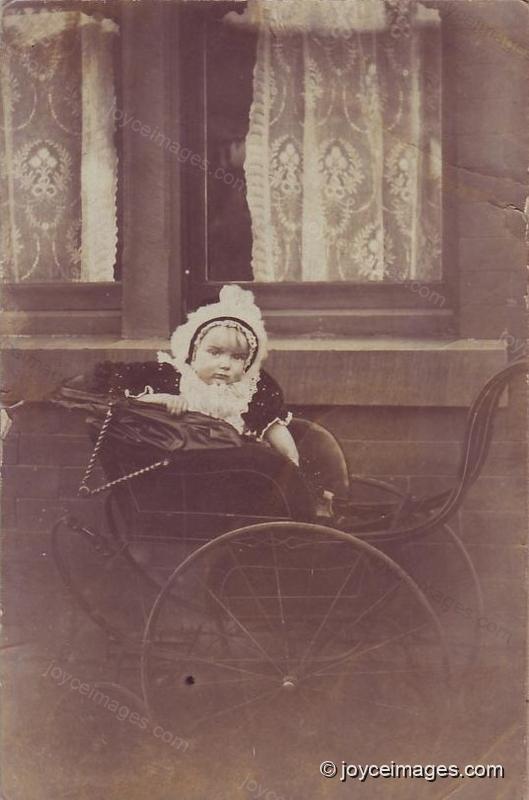
"And baby did his level best to say it for he was very intelligent for eleven months everyone said and big for his age and the picture of health, a perfect little bunch of love, and he would certainly turn out to be something great, they said.
- Haja ja ja haja." (U13.388)
- Haja ja ja haja." (U13.388)
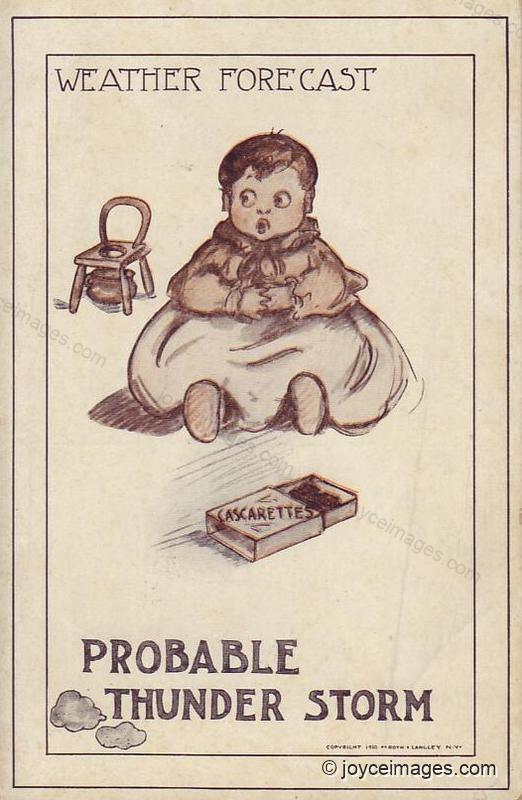
"Cissy wiped his little mouth with the dribbling bib and wanted him to sit up properly and say pa pa pa but when she undid the strap she cried out, holy saint Denis, that he was possing wet and to double the half blanket the other way under him. Of course his infant majesty was most obstreperous at such toilet formalities and he let everyone know it:" (U13.393)
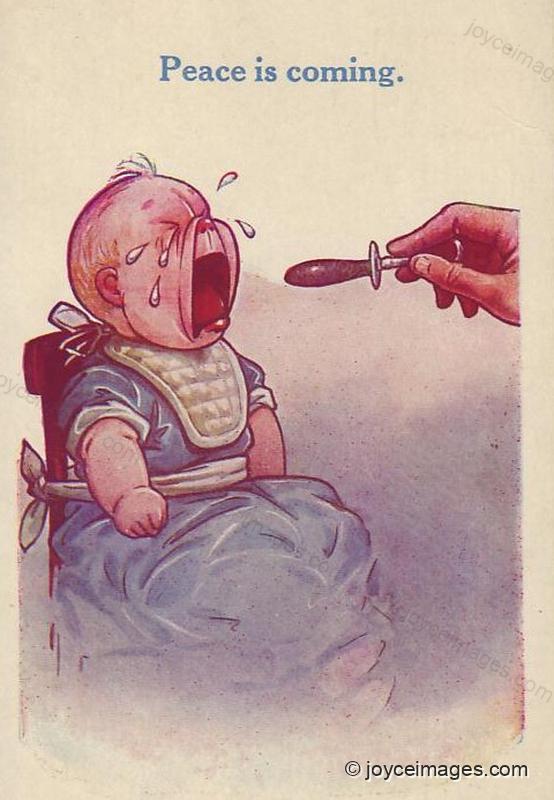
"- Habaa baaaahabaaa baaaa.
And two great big lovely big tears coursing down his cheeks. It was all no use soothering him with no, nono, baby, no and telling him all about the geegee and where was the puffpuff but Ciss, always readywitted, gave him in his mouth the teat of the suckingbottle" (U13.398)
And two great big lovely big tears coursing down his cheeks. It was all no use soothering him with no, nono, baby, no and telling him all about the geegee and where was the puffpuff but Ciss, always readywitted, gave him in his mouth the teat of the suckingbottle" (U13.398)
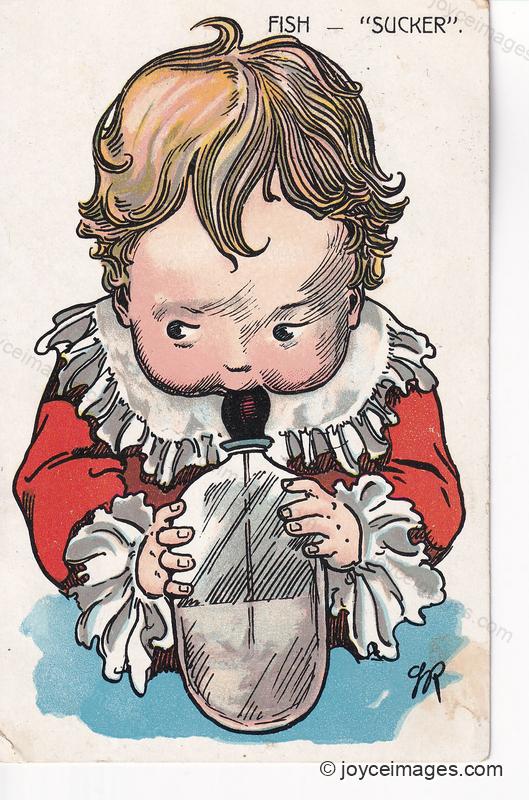
"and the young heathen was quickly appeased.
Gerty wished to goodness they would take their squalling baby home out of that and not get on her nerves, no hour to be out, and the little brats of twins. (U13.402)
Gerty wished to goodness they would take their squalling baby home out of that and not get on her nerves, no hour to be out, and the little brats of twins. (U13.402)
Oh well!