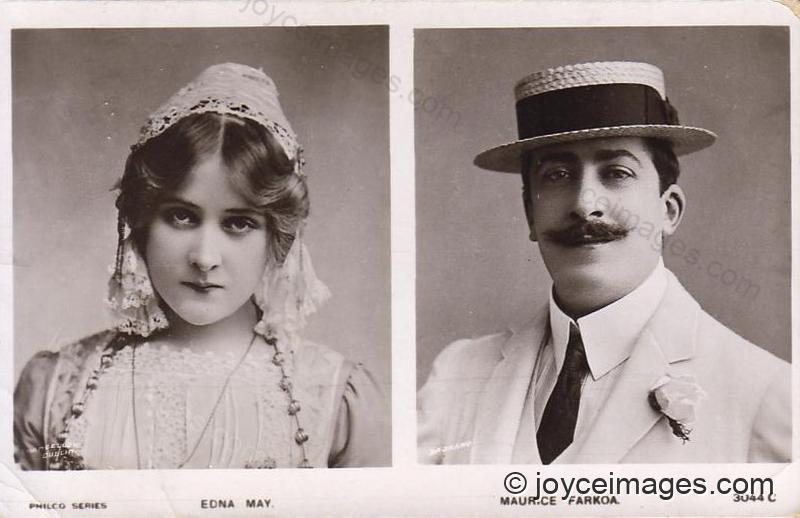
"Shebronze, dealing from her jar thick syrupy liquor for his lips, looked as it flowed (flower in his coat: who gave him?), and syrupped with her voice:
- Fine goods in small parcels.
That is to say she. Neatly she poured slowsyrupy sloe.
- Here's fortune, Blazes said.
He pitched a broad coin down. Coin rang." (U11.365)
- Fine goods in small parcels.
That is to say she. Neatly she poured slowsyrupy sloe.
- Here's fortune, Blazes said.
He pitched a broad coin down. Coin rang." (U11.365)
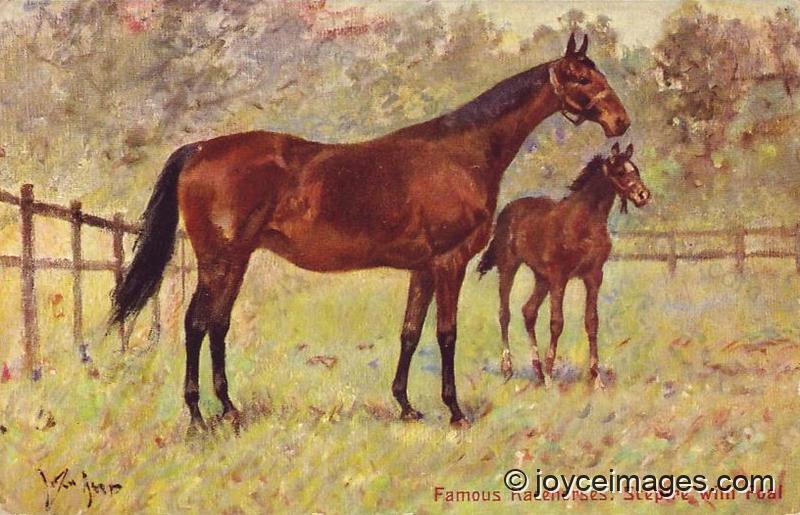
"- Hold on, said Lenehan, till I...
- Fortune, he wished, lifting his bubbled ale.
- Sceptre will win in a canter, he said.
- I plunged a bit, said Boylan winking and drinking. Not on my own, you know. Fancy of a friend of mine." (U11.372)
- Fortune, he wished, lifting his bubbled ale.
- Sceptre will win in a canter, he said.
- I plunged a bit, said Boylan winking and drinking. Not on my own, you know. Fancy of a friend of mine." (U11.372)
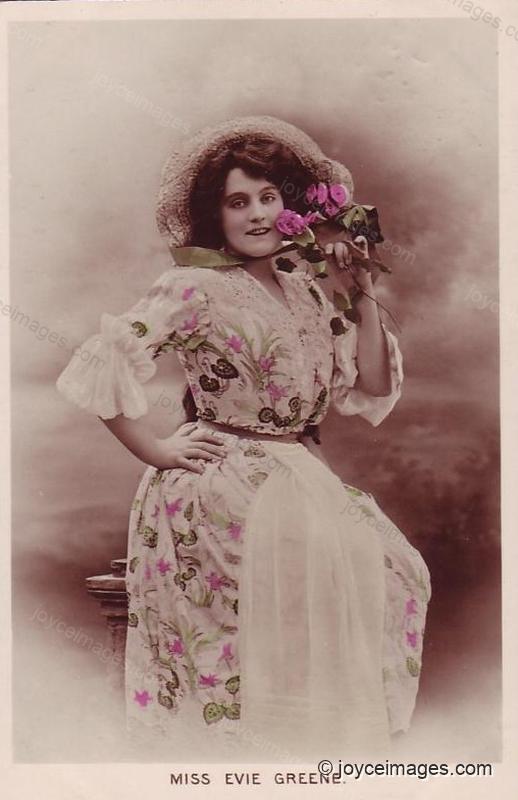
"Lenehan still drank and grinned at his tilted ale and at Miss Douce's lips that all but hummed, not shut, the oceansong her lips had trilled. Idolores. The eastern seas." (U11.377)
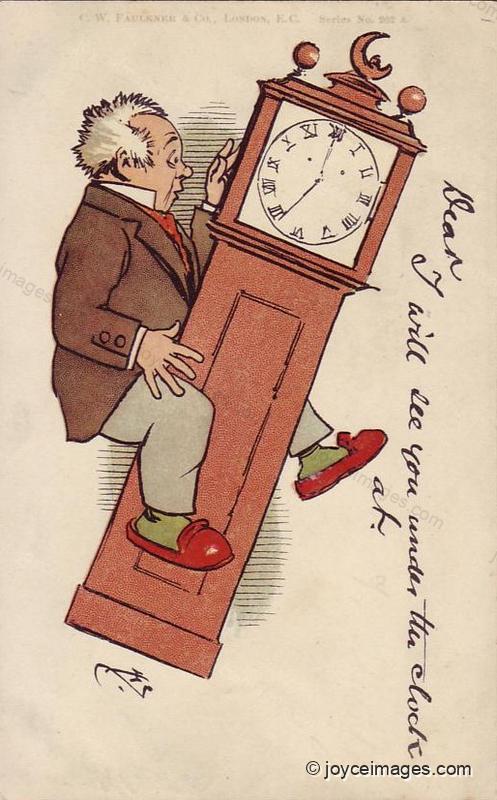
"Clock whirred. Miss Kennedy passed their way (flower, wonder who gave), bearing away teatray. Clock clacked." (U11.380)
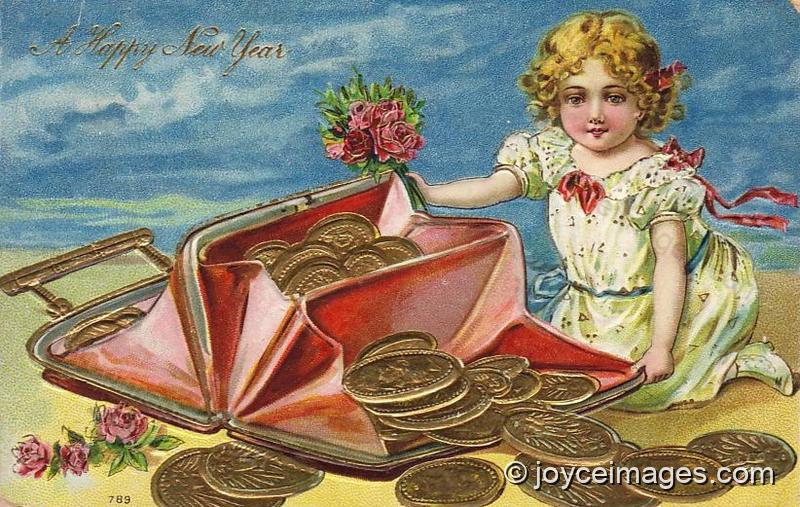
"Miss Douce took Boylan's coin, struck boldly the cashregister. It clanged. Clock clacked. Fair one of Egypt teased and sorted in the till and hummed and handed coins in change. Look to the west. A clack. For me.
- What time is that? asked Blazes Boylan. Four?
O'clock.
Lenehan, small eyes ahunger on her humming, bust ahumming, tugged Blazes Boylan's elbowsleeve.
— Let's hear the time, he said.
The bag of Goulding, Collis, Ward led Bloom by ryebloom flowered tables. Aimless he chose with agitated aim, bald Pat attending, a table near the door. Be near." (U11.382)
- What time is that? asked Blazes Boylan. Four?
O'clock.
Lenehan, small eyes ahunger on her humming, bust ahumming, tugged Blazes Boylan's elbowsleeve.
— Let's hear the time, he said.
The bag of Goulding, Collis, Ward led Bloom by ryebloom flowered tables. Aimless he chose with agitated aim, bald Pat attending, a table near the door. Be near." (U11.382)
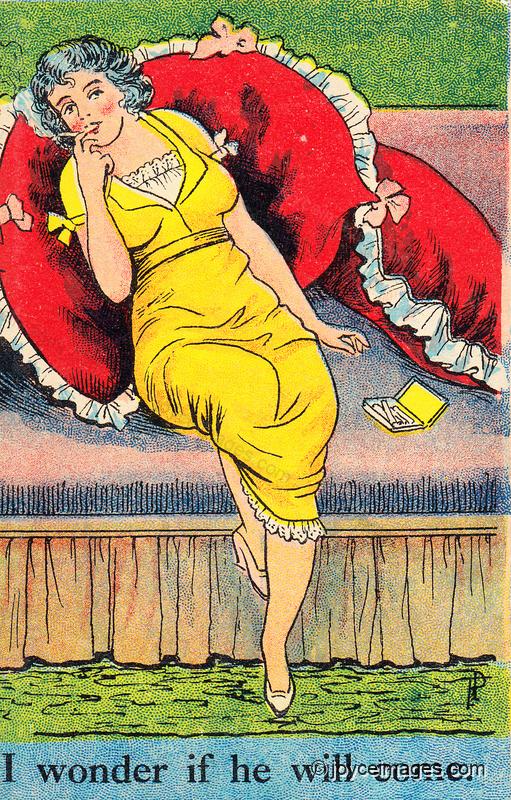
"At four. Has he forgotten? Perhaps a trick. Not come: whet appetite. I couldn't do. Wait, wait. Pat, waiter, waited.
Sparkling bronze azure eyed Blazure's skyblue bow and eyes.
— Go on, pressed Lenehan. There's no-one. He never heard.
— ... to Flora's lips did hie.
High, a high note pealed in the treble clear." (U11.392)
Sparkling bronze azure eyed Blazure's skyblue bow and eyes.
— Go on, pressed Lenehan. There's no-one. He never heard.
— ... to Flora's lips did hie.
High, a high note pealed in the treble clear." (U11.392)
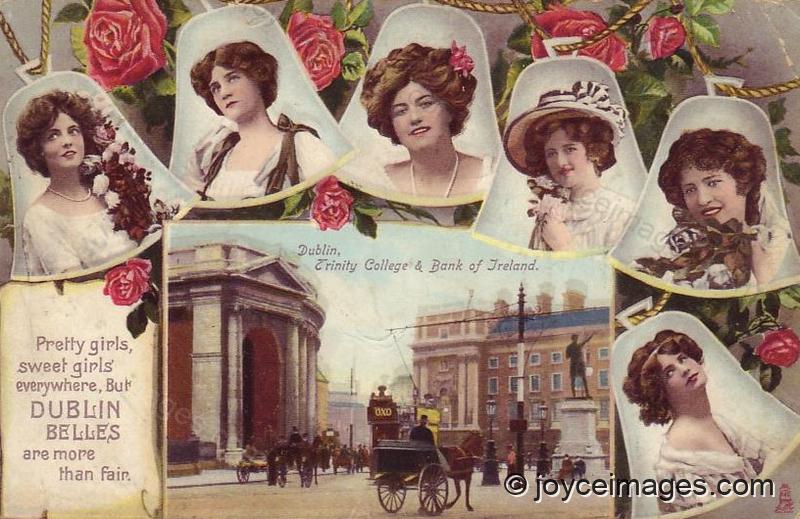
"Bronzedouce, communing with her rose that sank and rose, sought Blazes Boylan's flower and eyes.
- Please, please.
He pleaded over returning phrases of avowal.
- I could not leave thee...
- Afterwits, Miss Douce promised coyly.
- No, now, urged Lenehan. Sonnez la cloche! O do! There's no-one.
She looked. Quick. Miss Kenn out of earshot. Sudden bent. Two kindling faces watched her bend. " (U11.398)
- Please, please.
He pleaded over returning phrases of avowal.
- I could not leave thee...
- Afterwits, Miss Douce promised coyly.
- No, now, urged Lenehan. Sonnez la cloche! O do! There's no-one.
She looked. Quick. Miss Kenn out of earshot. Sudden bent. Two kindling faces watched her bend. " (U11.398)
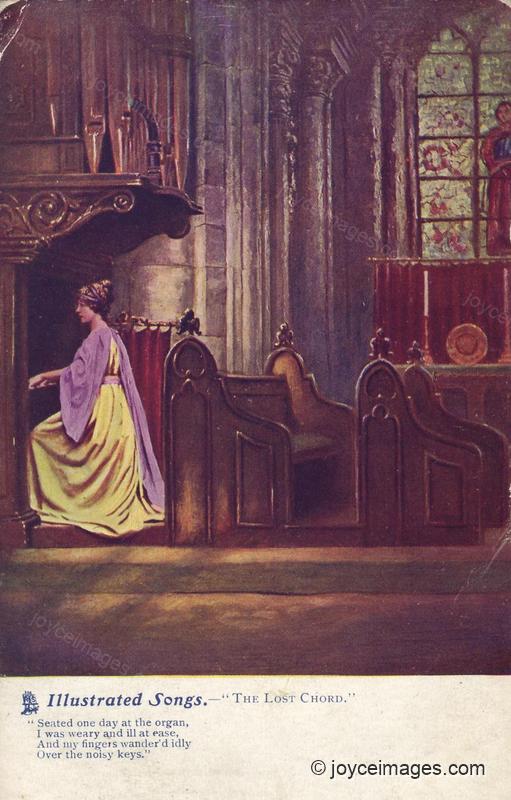
"Quavering the chords strayed from the air, found it again, lost chord, and lost and found it, faltering." (U11.407)
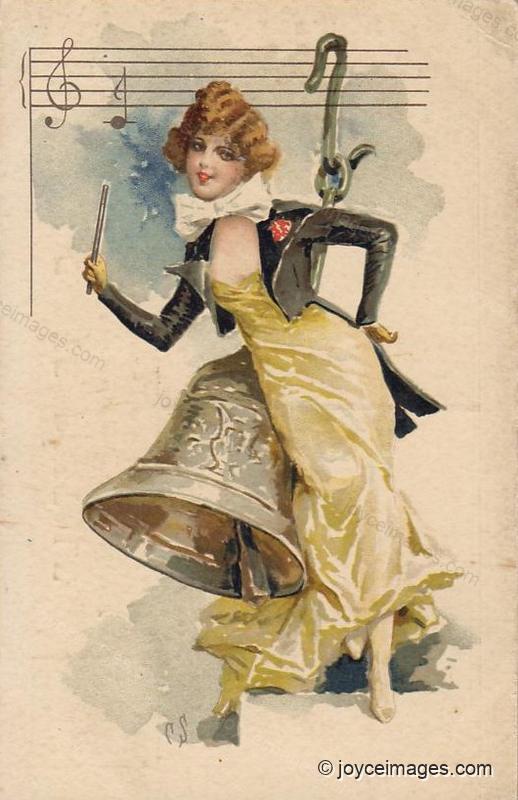
"- Go on! Do! Sonnez!
Bending, she nipped a peak of skirt above her knee. Delayed. Taunted them still, bending, suspending, with wilful eyes.
- Sonnez!
Smack. She let free sudden in rebound her nipped elastic garter smackwarm against her smackable woman's warmhosed thigh." (U11.409)
Bending, she nipped a peak of skirt above her knee. Delayed. Taunted them still, bending, suspending, with wilful eyes.
- Sonnez!
Smack. She let free sudden in rebound her nipped elastic garter smackwarm against her smackable woman's warmhosed thigh." (U11.409)
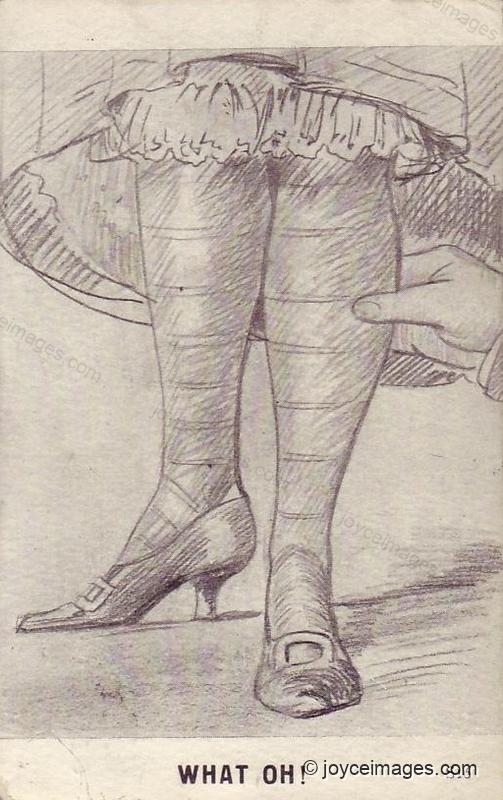
"- La cloche! cried gleeful Lenehan. Trained by owner. No sawdust there." (U11.415)
Sawdust, as I learned from the Police Gazette (1880), was used to make paddings called 'symmetries'.
Sawdust, as I learned from the Police Gazette (1880), was used to make paddings called 'symmetries'.
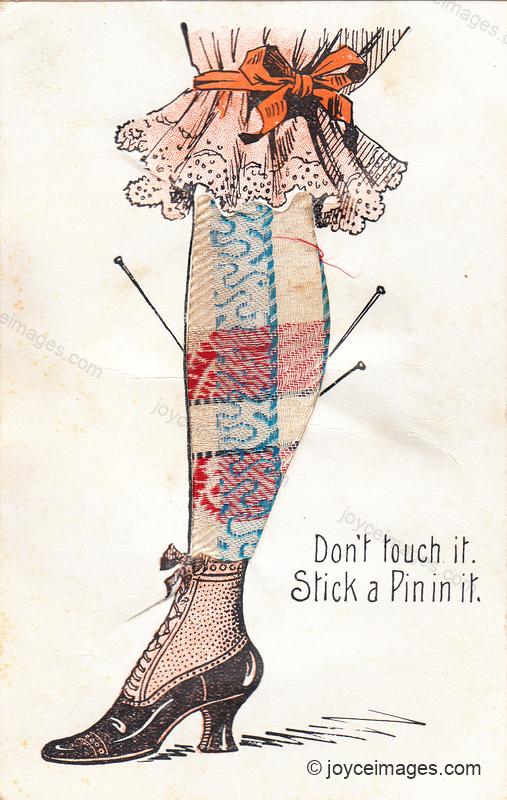
They were worn mostly by stage performers, both female (legs) and male (shoulder and thighs), to enhance their figure. The smacking sound of Miss Douce's garter against her thigh is evidence that there is No sawdust there.
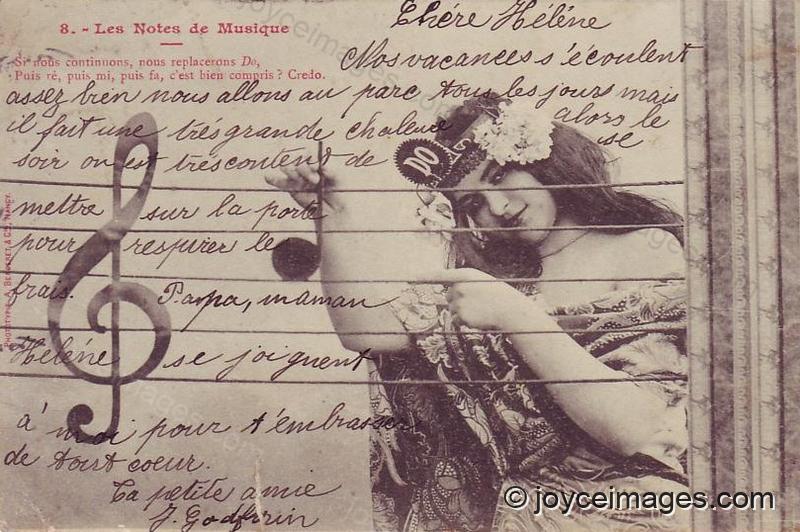
"She smilesmirked supercilious (wept! aren't men?), but, lightward gliding, mild she smiled on Boylan.
- You're the essence of vulgarity, she in gliding said.
Boylan, eyed, eyed. Tossed to fat lips his chalice, drankoff his chalice tiny, sucking the last fat violet syrupy drops. He spellbound eyes went after, after her gliding head as it went down the bar by mirrors, gilded arch for ginger ale, hock and claret glasses shimmering, a spiky shell, where it concerted, mirrored, bronze with sunnier bronze.
Yes, bronze from anearby.
- ...sweetheart, goodbye!" (U11.416)
- You're the essence of vulgarity, she in gliding said.
Boylan, eyed, eyed. Tossed to fat lips his chalice, drankoff his chalice tiny, sucking the last fat violet syrupy drops. He spellbound eyes went after, after her gliding head as it went down the bar by mirrors, gilded arch for ginger ale, hock and claret glasses shimmering, a spiky shell, where it concerted, mirrored, bronze with sunnier bronze.
Yes, bronze from anearby.
- ...sweetheart, goodbye!" (U11.416)
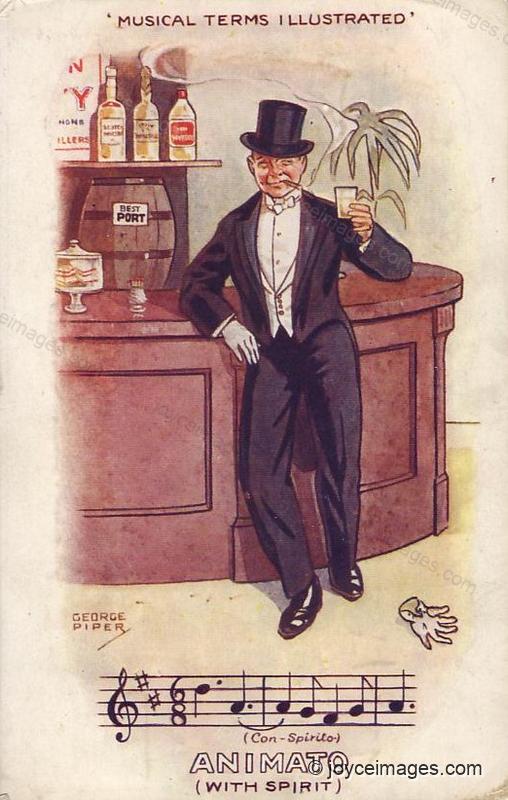
"- I'm off, said Boylan with impatience.
He slid his chalice brisk away, grasped his change.
- Wait a shake, begged Lenehan, drinking quickly. I wanted to tell you. Tom Rochford...
- Come on to blazes, said Blazes Boylan, going.
Lenehan gulped to go." (U11.426)
He slid his chalice brisk away, grasped his change.
- Wait a shake, begged Lenehan, drinking quickly. I wanted to tell you. Tom Rochford...
- Come on to blazes, said Blazes Boylan, going.
Lenehan gulped to go." (U11.426)
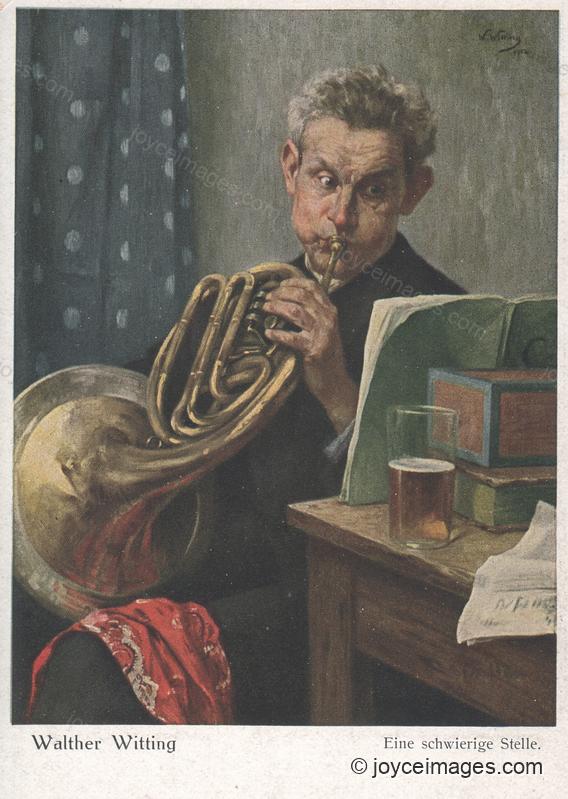
"- Got the horn or what? he said. Wait. I'm coming.
He followed the hasty creaking shoes but stood by nimbly by the threshold, saluting forms, a bulky with a slender." (U11.432)
He followed the hasty creaking shoes but stood by nimbly by the threshold, saluting forms, a bulky with a slender." (U11.432)
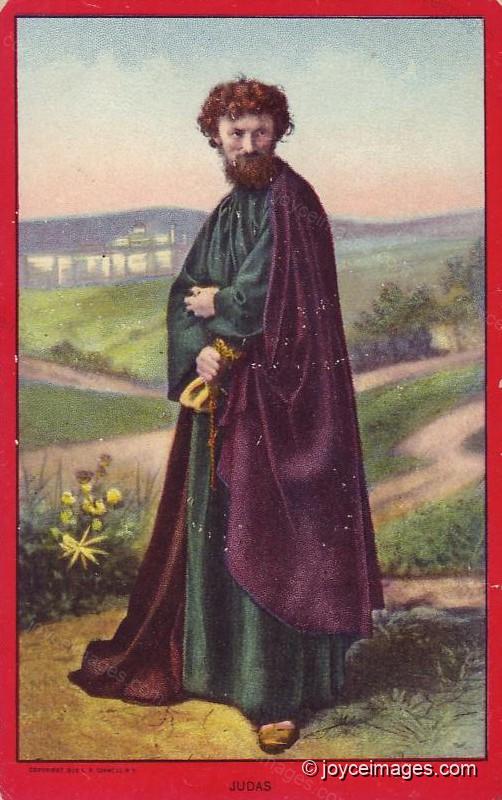
"- How do you do, Mr Dollard?
- Eh? How do? How do? Ben Dollard's vague bass answered, turning an instant from Father Cowley's woe. He won't give you any trouble, Bob. Alf Bergan will speak to the long fellow. We'll put a barleystraw in that Judas Iscariot's ear this time.
Sighing Mr Dedalus came through the saloon, a finger soothing an eyelid.
- Hoho, we will, Ben Dollard yodled jollily. Come on, Simon. Give us a ditty. We heard the piano." (U11.435)
- Eh? How do? How do? Ben Dollard's vague bass answered, turning an instant from Father Cowley's woe. He won't give you any trouble, Bob. Alf Bergan will speak to the long fellow. We'll put a barleystraw in that Judas Iscariot's ear this time.
Sighing Mr Dedalus came through the saloon, a finger soothing an eyelid.
- Hoho, we will, Ben Dollard yodled jollily. Come on, Simon. Give us a ditty. We heard the piano." (U11.435)
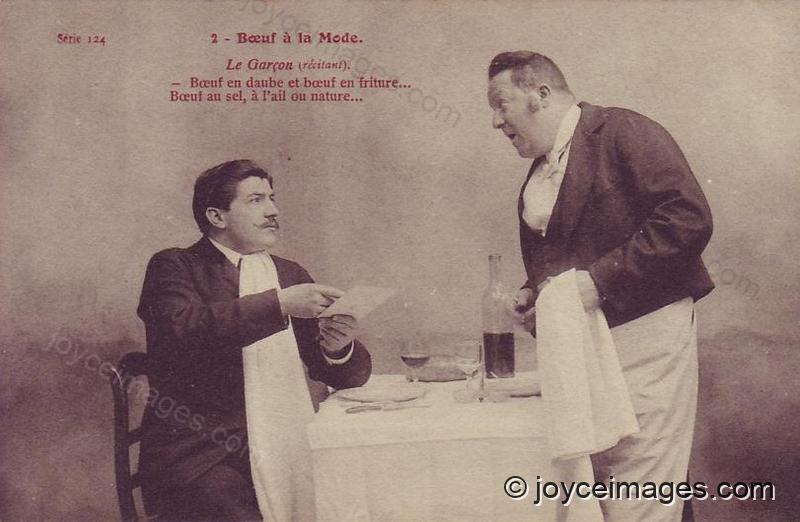
"Bald Pat, bothered waiter, waited for drink orders. Power for Richie. And Bloom? Let me see. Not make him walk twice. His corns. Four now. How warm this black is. Course nerves a bit. Refracts (is it?) heat. Let me see. Cider. Yes, bottle of cider.
—What's that? Mr Dedalus said. I was only vamping, man.
— Come on, come on, Ben Dollard called. Begone dull care. Come, Bob.
He ambled Dollard, bulky slops, before them (hold that fellow with the: hold him now) into the saloon." (U11.444)
—What's that? Mr Dedalus said. I was only vamping, man.
— Come on, come on, Ben Dollard called. Begone dull care. Come, Bob.
He ambled Dollard, bulky slops, before them (hold that fellow with the: hold him now) into the saloon." (U11.444)