
"Bluerobed, white under, come to me. God they believe she is: or goddess. Those today. I could not see. That fellow spoke. A student. After with Dedalus' son. He might be Mulligan. All comely virgins. That brings those rakes of fellows in: her white.
By went his eyes. The sweets of sin. Sweet are the sweets." (U11.151)
By went his eyes. The sweets of sin. Sweet are the sweets." (U11.151)
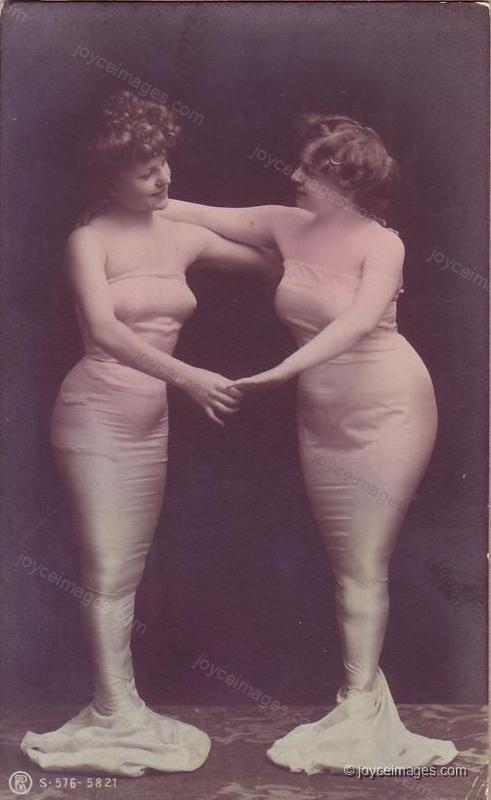
"In a giggling peal young goldbronze voices blended, Douce with Kennedy your other eye. They threw young heads back, bronze gigglegold, to let freefly their laughter, screaming, your other, signals to each other, high piercing notes.
Ah, panting, sighing. Sighing, ah, fordone their mirth died down." (U11.158)
Ah, panting, sighing. Sighing, ah, fordone their mirth died down." (U11.158)
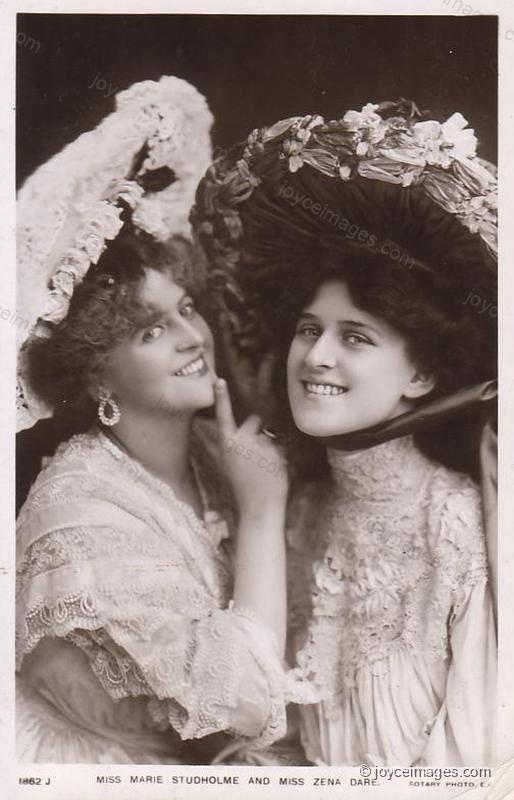
"Miss Kennedy lipped her cup again, raised, drank a sip and gigglegiggled. Miss Douce, bending again over the teatray, ruffled again her nose and rolled droll fattened eyes. Again Kennygiggles, stooping her fair pinnacles of hair, stooping, her tortoise napecomb showed, spluttered out of her mouth her tea, choking in tea and laughter, coughing with choking, crying:" (U11.163)
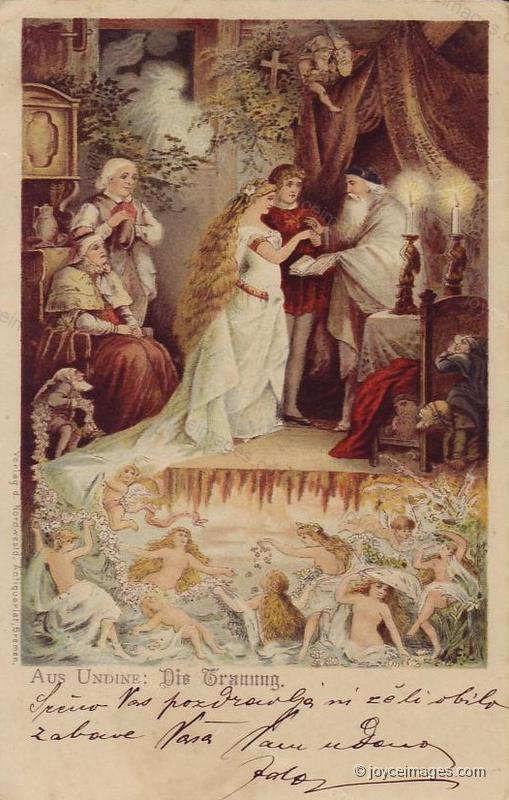
"- O greasy eyes! Imagine being married to a man like that, she cried. With his bit of beard!
Douce gave full vent to a splendid yell, a full yell of full woman, delight, joy, indignation.
- Married to the greasy nose! she yelled.
Shrill, with deep laughter, after, gold after bronze, they urged each each to peal after peal, ringing in changes, bronzegold, goldbronze, shrilldeep, to laughter after laughter. And then laughed more. Greasy I pinnacled by glossycombed, against the counterledge. All flushed (O!), panting, sweating (O!), all breathless.
Married to Bloom, to greaseabloom." (U11.169)
Douce gave full vent to a splendid yell, a full yell of full woman, delight, joy, indignation.
- Married to the greasy nose! she yelled.
Shrill, with deep laughter, after, gold after bronze, they urged each each to peal after peal, ringing in changes, bronzegold, goldbronze, shrilldeep, to laughter after laughter. And then laughed more. Greasy I pinnacled by glossycombed, against the counterledge. All flushed (O!), panting, sweating (O!), all breathless.
Married to Bloom, to greaseabloom." (U11.169)
"- O saints above! Miss Douce said, sighed above her jumping rose. I wished I hadn't laughed so much. I feel all wet.
- O, Miss Douce! Miss Kennedy protested." (U11.181)
- O, Miss Douce! Miss Kennedy protested." (U11.181)
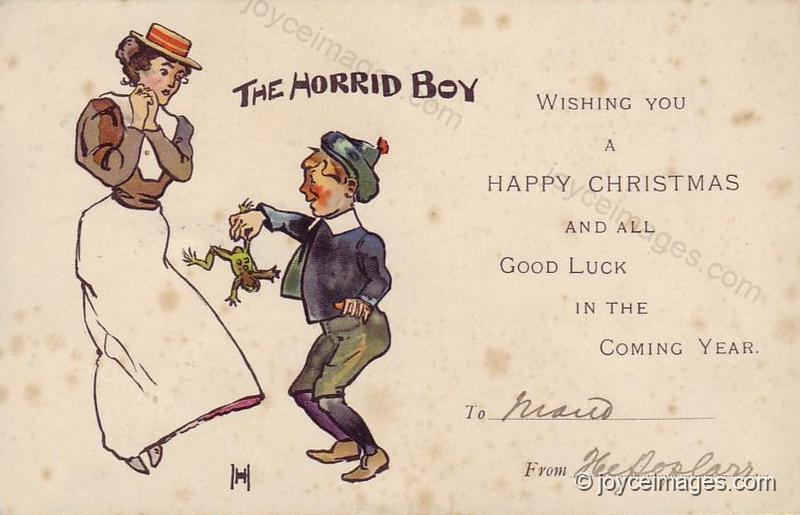
"You horrid thing!
And flushed yet more (you horrid!), more goldenly." (U11.183)
And flushed yet more (you horrid!), more goldenly." (U11.183)
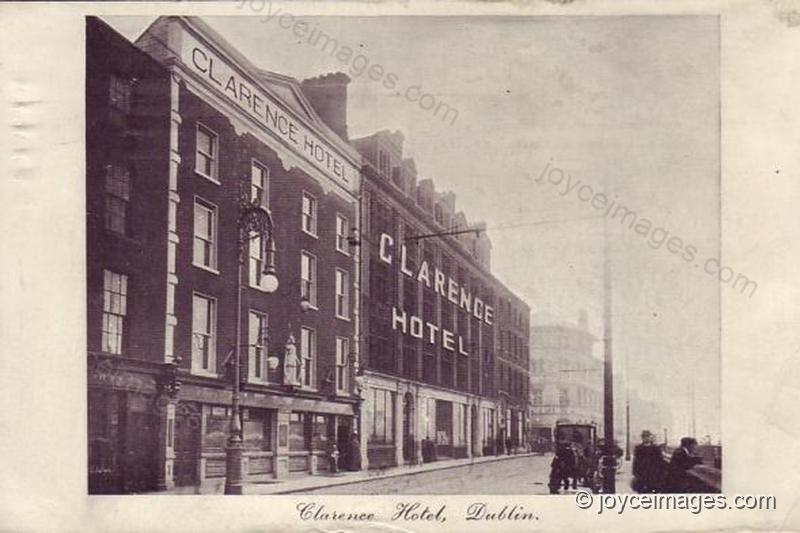
"By Cantwell's offices roved Greaseabloom, by Ceppi's virgins, bright of their oils. Nannetti's father hawked those things about, wheedling at doors as I. Religion pays. Must see him for that par. Eat first. I want. Not yet. At four, she said. Time ever passing. Clockhands turning. On. Where eat? The Clarence, Dolphin. On. For Raoul. Eat. If I net five guineas with those ads." (U11.185)
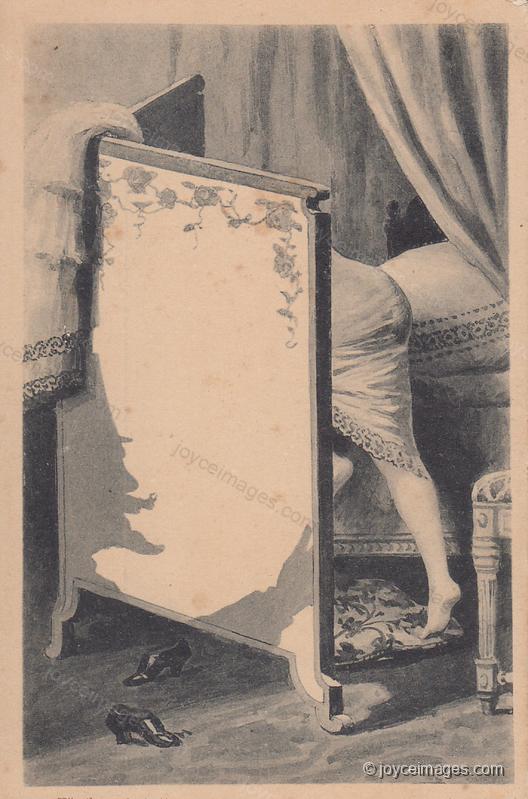
"The violet silk petticoats. Not yet. The sweets of sin.
Flushed less, still less, goldenly paled." (U11.190)
Flushed less, still less, goldenly paled." (U11.190)
"Into their bar strolled Mr Dedalus. Chips, picking chips off one of his rocky thumbnails. Chips. He strolled.
- O welcome back, Miss Douce.
He held her hand. Enjoyed her holidays?.
- Tiptop.
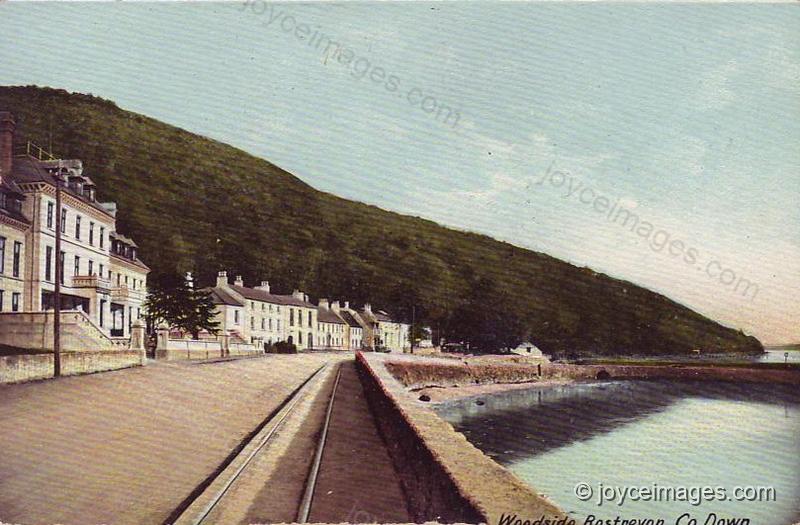
He hoped she had nice weather in Rostrevor.
- Gorgeous, she said." (U11.192)
- O welcome back, Miss Douce.
He held her hand. Enjoyed her holidays?.
- Tiptop.
He hoped she had nice weather in Rostrevor.
- Gorgeous, she said." (U11.192)
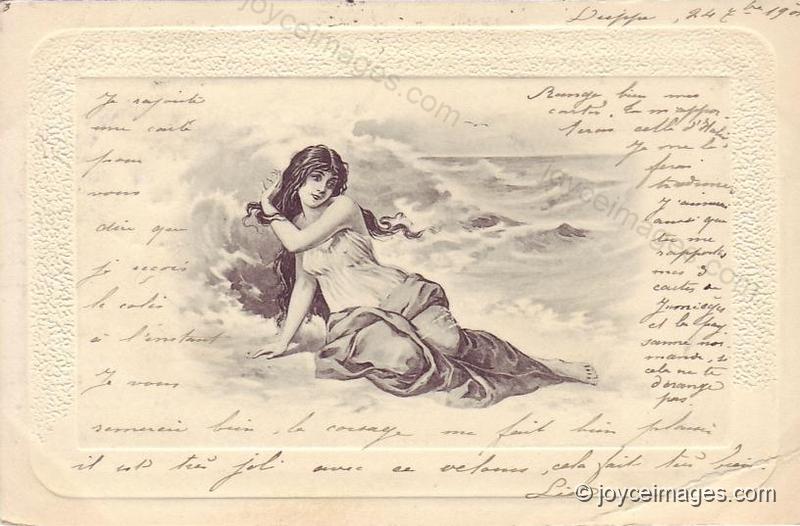
"Look at the holy show I am. Lying out on the strand all day.
- That was exceedingly naughty of you, Mr Dedalus told her and pressed her hand indulgently. Tempting poor simple males.
Miss Douce of satin douced her arm away." (U11.198)
- That was exceedingly naughty of you, Mr Dedalus told her and pressed her hand indulgently. Tempting poor simple males.
Miss Douce of satin douced her arm away." (U11.198)
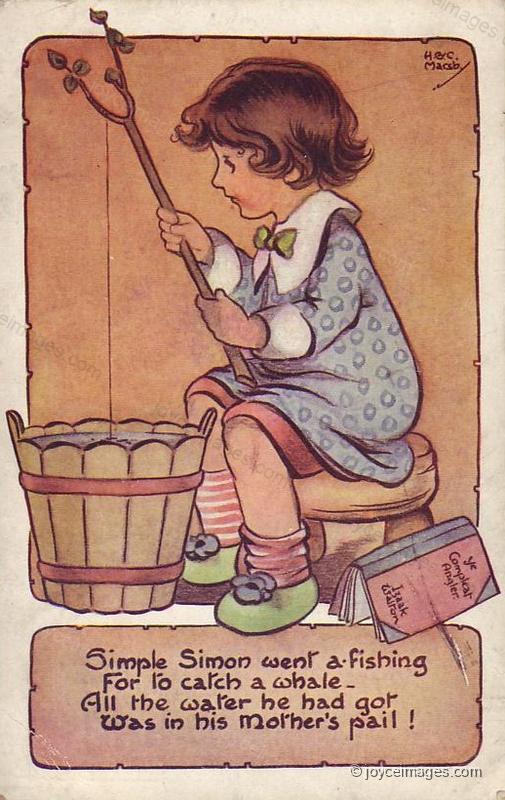
"- O go away, she said. You're very simple, I don't think.
He was.
- Well now I am, he mused. I looked so simple in the cradle they christened me simple Simon.
- You must have been a doaty, Miss Douce made answer. " (U11.204)
He was.
- Well now I am, he mused. I looked so simple in the cradle they christened me simple Simon.
- You must have been a doaty, Miss Douce made answer. " (U11.204)
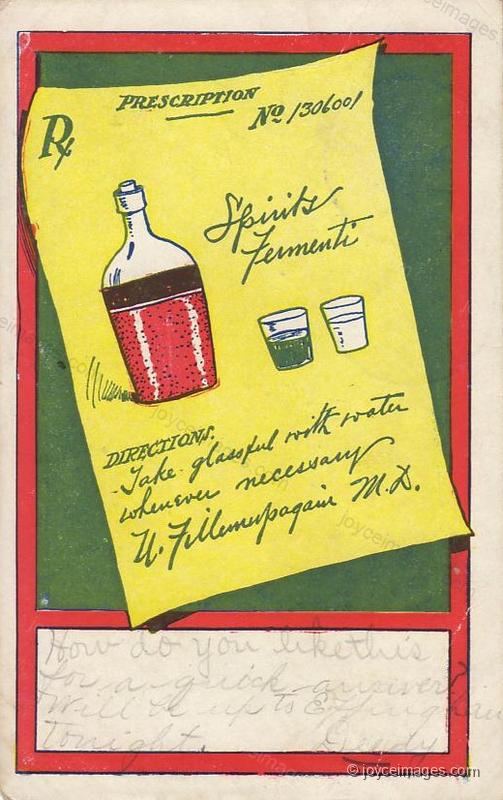
"And what did the doctor order today?" (U11.208)
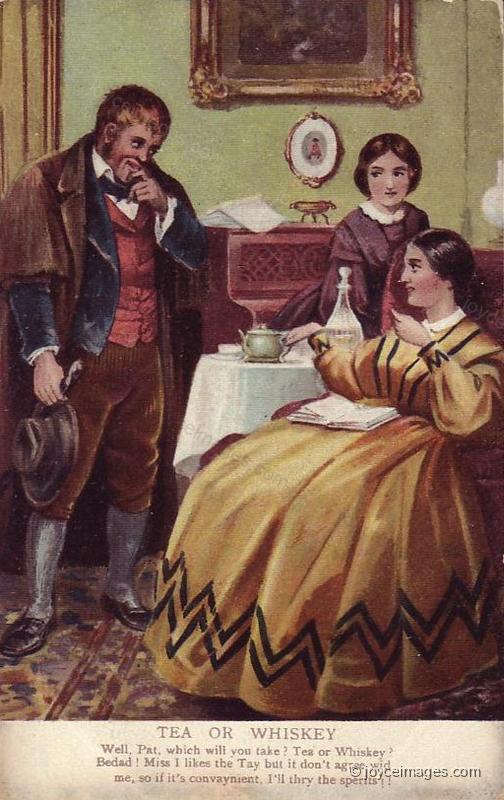
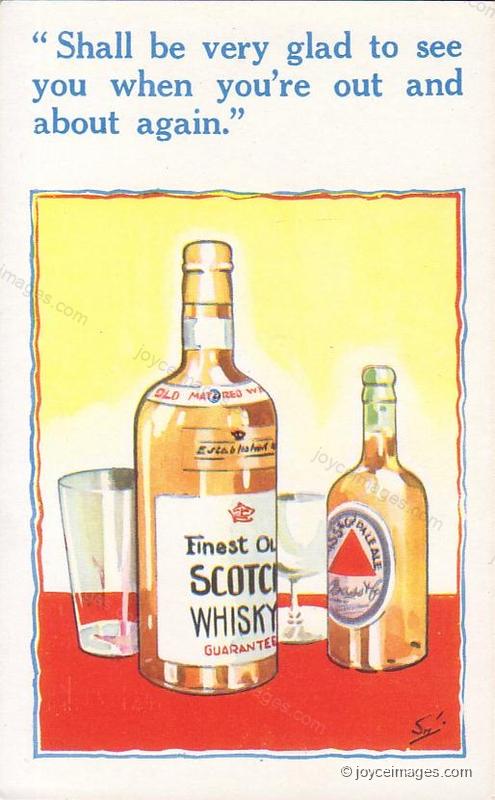
"- Well now, he mused, whatever you say yourself. I think I'll trouble you for some fresh water and a half glass of whisky." (U11.210)
"Jingle.
- With the greatest alacrity, Miss Douce agreed.
With grace of alacrity towards the mirror gilt Cantrell and Cochrane's she turned herself. With grace she tapped a measure of gold whisky from her crystal keg." (U11.212)
- With the greatest alacrity, Miss Douce agreed.
With grace of alacrity towards the mirror gilt Cantrell and Cochrane's she turned herself. With grace she tapped a measure of gold whisky from her crystal keg." (U11.212)
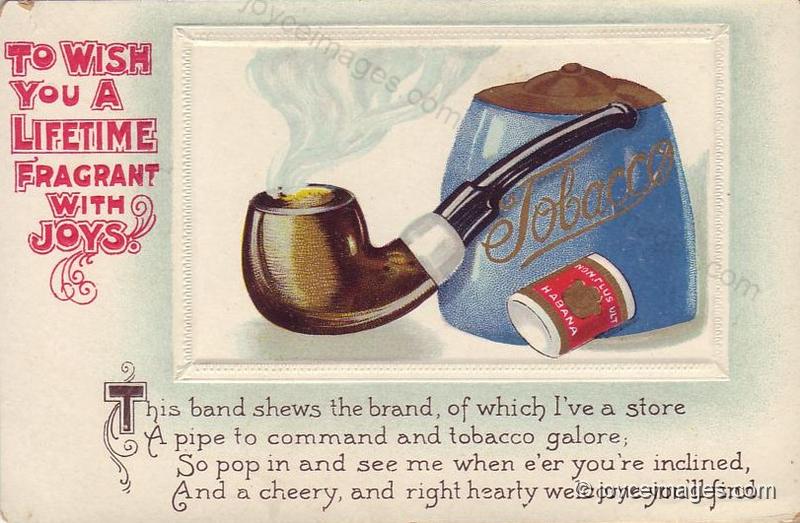
"Forth from the skirt of his coat Mr Dedalus brought pouch and pipe. Alacrity she served. He blew through the flue two husky fifenotes.
- By Jove, he mused, I often wanted to see the Mourne mountains. Must be a great tonic in the air down there. But a long threatening comes at last, they say. Yes, yes." (U11.216)
- By Jove, he mused, I often wanted to see the Mourne mountains. Must be a great tonic in the air down there. But a long threatening comes at last, they say. Yes, yes." (U11.216)
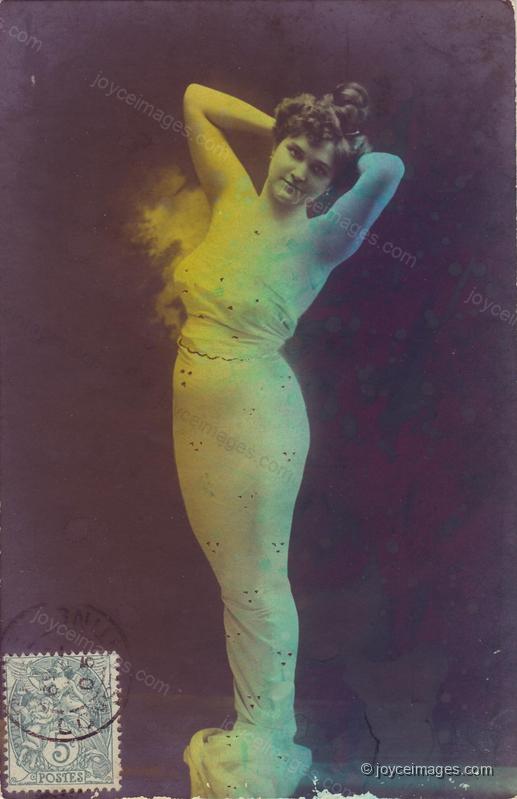
"He fingered shreds of hair, her maidenhair, her mermaid's, into the bowl. Chips. Shreds. Musing. Mute.
None nought said nothing. Yes." (U11.222)
None nought said nothing. Yes." (U11.222)