
" *** " (U10.584)
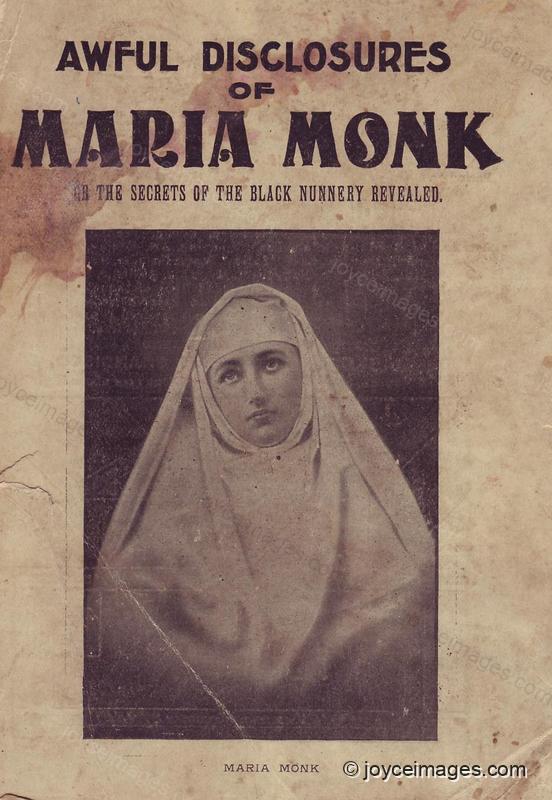
"Mr Bloom turned over idly pages of The Awful Disclosures of Maria Monk" (U10.585)
The book was publised in 1836 and exposed scandalous events that, according to Maria Monk, occurred at the Hotel Dieu convent in Montreal. Her central claim was that convent nuns were having sex with priests from the neighboring seminary, who came through a secret tunnel. Babies born of these illicit encounters, Monk claimed, were baptized, killed, and dumped in a lime pit. Monk said that, after 7 years in the convent, she had become pregnant and fled to avoid her child being killed. Monk's book caused an enormous public outcry that fed on the prevailing anti-Catholic sentiment of the era. Leading protestants in New York and Montreal demanded an investigation, and the Bishop of Montreal finally authorized it. It was conducted by Col. William Leete Stone, a New York City newspaper editor. It included walking around the convent with Maria Monk's book in hand, comparing her descriptions with reality. The investigation proved Maria Monk a sham. 'The Awful Disclosures' is still in print, and can usually be found in the BDSM section of bookstores.
The book was publised in 1836 and exposed scandalous events that, according to Maria Monk, occurred at the Hotel Dieu convent in Montreal. Her central claim was that convent nuns were having sex with priests from the neighboring seminary, who came through a secret tunnel. Babies born of these illicit encounters, Monk claimed, were baptized, killed, and dumped in a lime pit. Monk said that, after 7 years in the convent, she had become pregnant and fled to avoid her child being killed. Monk's book caused an enormous public outcry that fed on the prevailing anti-Catholic sentiment of the era. Leading protestants in New York and Montreal demanded an investigation, and the Bishop of Montreal finally authorized it. It was conducted by Col. William Leete Stone, a New York City newspaper editor. It included walking around the convent with Maria Monk's book in hand, comparing her descriptions with reality. The investigation proved Maria Monk a sham. 'The Awful Disclosures' is still in print, and can usually be found in the BDSM section of bookstores.
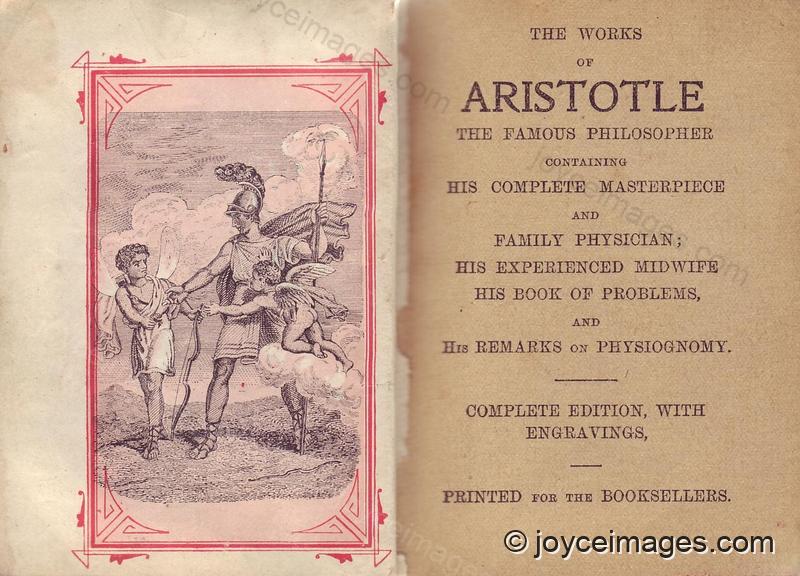
"then of Aristotle's Masterpiece. Crooked botched print." (U10.586)
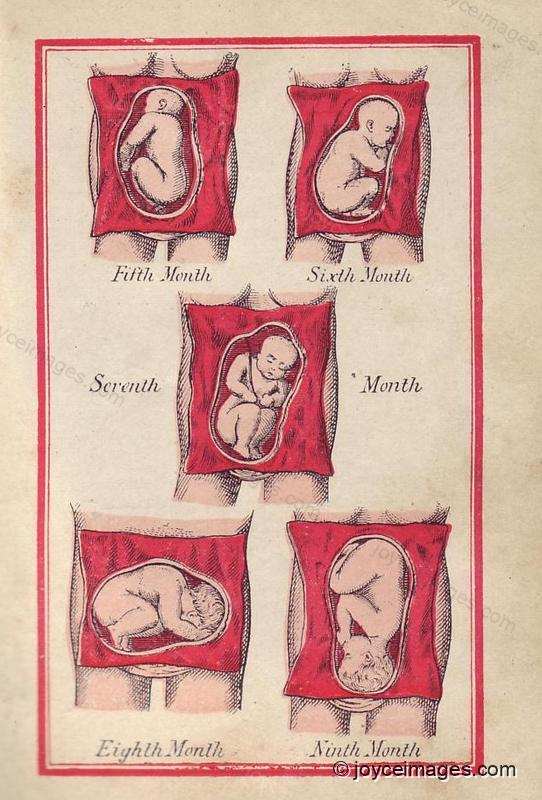
"Plates: infants cuddled in a ball in bloodred wombs like livers of slaughtered cows. Lots of them like that at this moment all over the world. All butting with their skulls to get out of it." (U10.586)
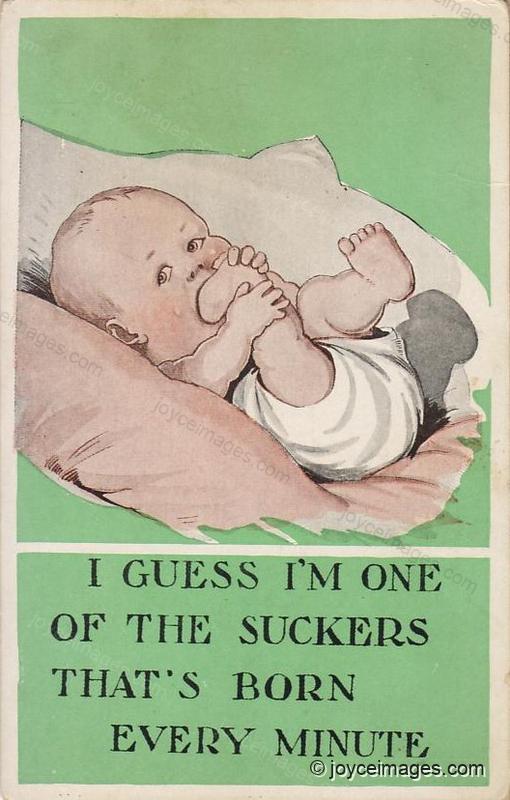
"Child born every minute somewhere. Mrs Purefoy.
He laid both books aside and glanced at the third: Tales of the Ghetto by Leopold von Sacher Masoch.
- That I had, he said, pushing it by.
The shopman let two volumes fall on the counter.
- Them are two good ones, he said." (U10.589)
He laid both books aside and glanced at the third: Tales of the Ghetto by Leopold von Sacher Masoch.
- That I had, he said, pushing it by.
The shopman let two volumes fall on the counter.
- Them are two good ones, he said." (U10.589)
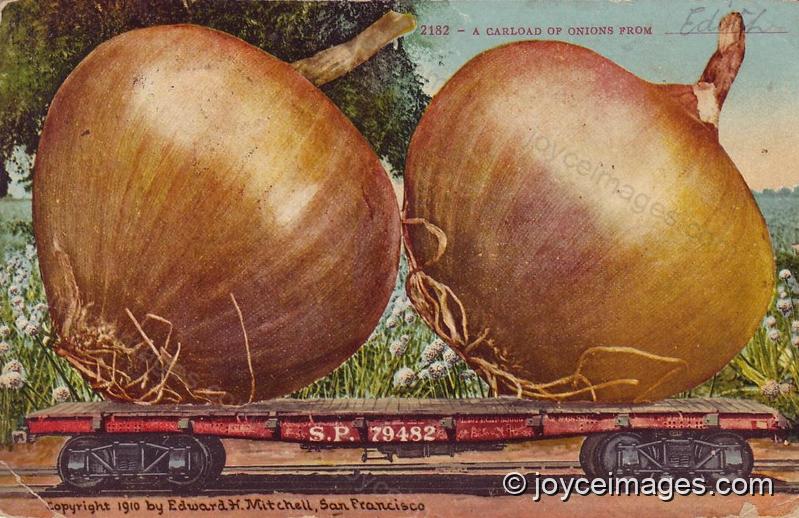
"Onions of his breath came across the counter out of his ruined mouth. He bent to make a bundle of the other books, hugged them against his unbuttoned waistcoat and bore them off behind the dingy curtain." (U10.596)
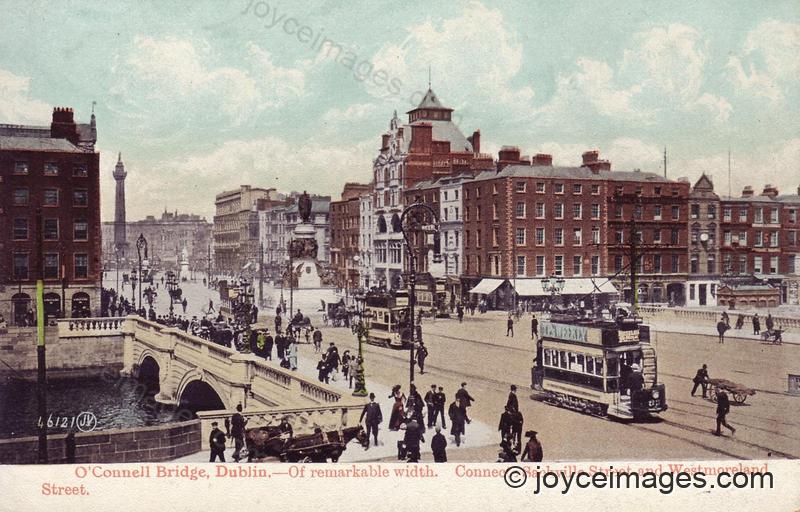
"On O'Connell bridge" (U10.599)
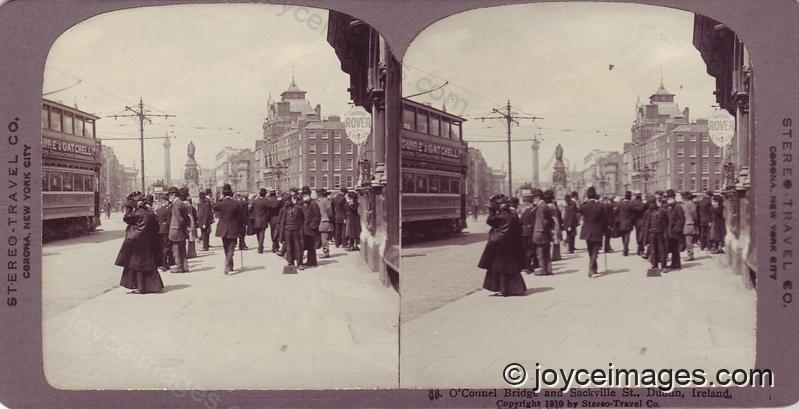
"many persons observed the grave deportment and gay apparel of Mr Denis J. Maginni, professor of dancing &c." (U10.599)
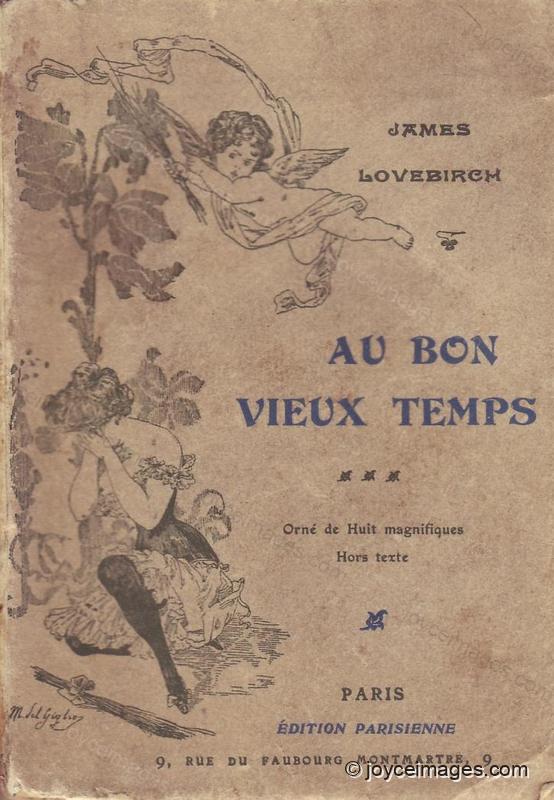
"Mr Bloom, alone, looked at the titles. Fair Tyrants by James Lovebirch." (U10.601)
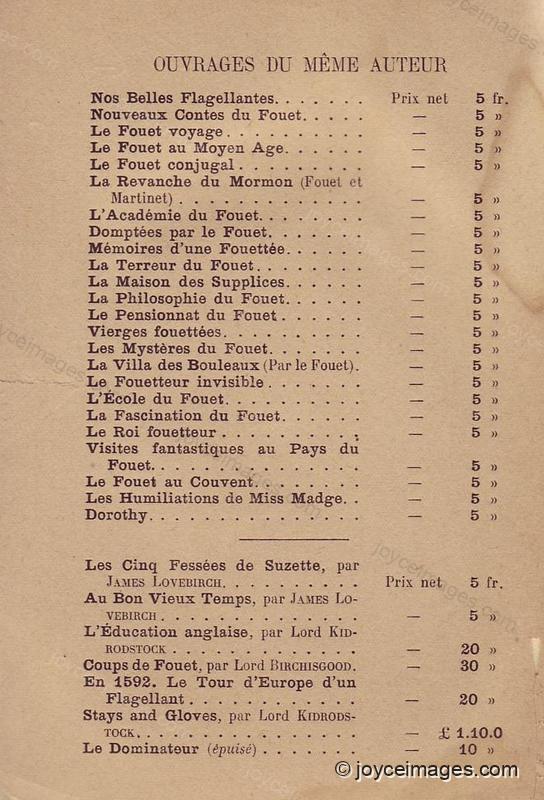
I am still looking for 'Fair Tyrants'. This is 'Au Bon Vieux Temps' by James Lovebirch, published in Paris (1913). James Lovebirch was the pseudonym of a (probably French) early 19c. author. His best known novels are 'Les Cinq fessées de Suzette' (Paris, 1910), 'Peggy Briggs' (Paris, 1913), and 'L'Avatar de Lucette' (1913).
I am still looking for 'Fair Tyrants'. This is 'Au Bon Vieux Temps' by James Lovebirch, published in Paris (1913). James Lovebirch was the pseudonym of a (probably French) early 19c. author. His best known novels are 'Les Cinq fessées de Suzette' (Paris, 1910), 'Peggy Briggs' (Paris, 1913), and 'L'Avatar de Lucette' (1913).
"Know the kind that is. Had it? Yes." (U10.602)
The endpaper of 'Au Bon Vieux Temps' lists 'Works by the Same Author James Lovebirch, as well as books by Aimé Van Rod, Lord Kidrodstock and Lord Birchisgood. Nice names they have. It should be fairly easy to know the kind that is.
None of those titles would directly translate as 'Fair Tyrants'. 'Nos Belles Flagellantes' (1907), rendered into English as 'Our Fair Flagellants' (1908), comes closest.
The endpaper of 'Au Bon Vieux Temps' lists 'Works by the Same Author James Lovebirch, as well as books by Aimé Van Rod, Lord Kidrodstock and Lord Birchisgood. Nice names they have. It should be fairly easy to know the kind that is.
None of those titles would directly translate as 'Fair Tyrants'. 'Nos Belles Flagellantes' (1907), rendered into English as 'Our Fair Flagellants' (1908), comes closest.
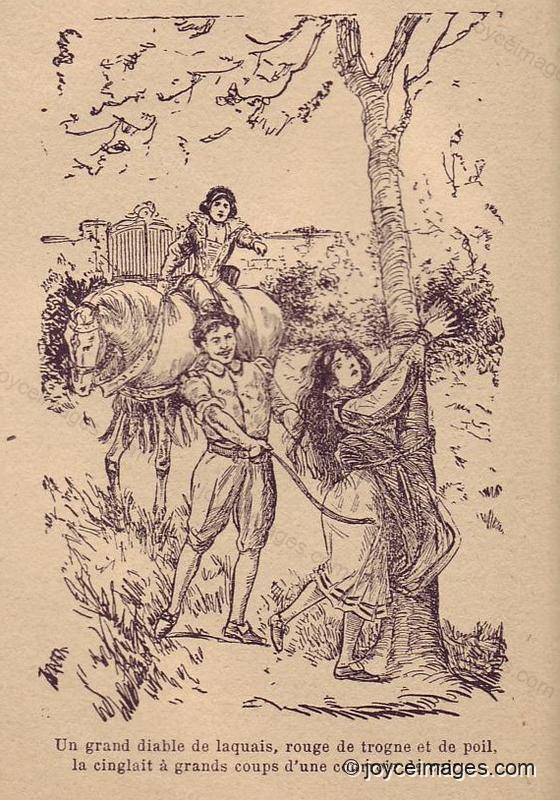
"He opened it. Thought so." (U10.603)
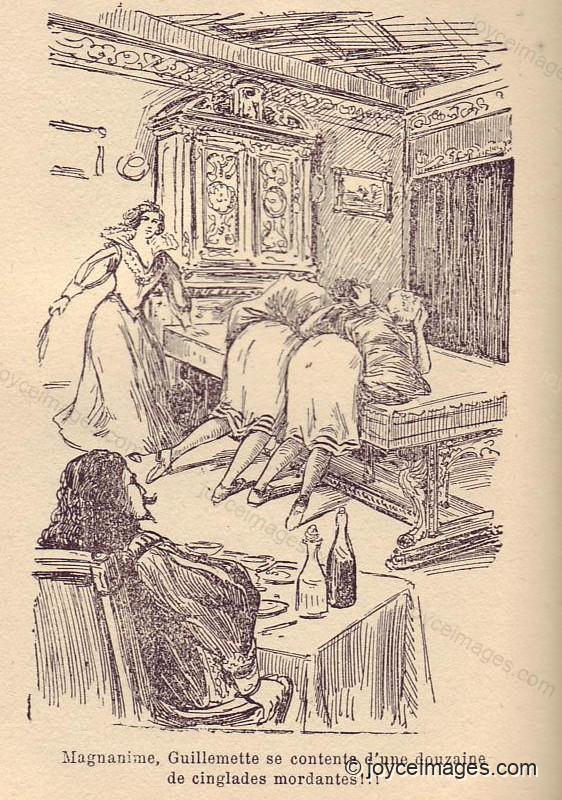
"A woman's voice behind the dingy curtain. Listen: the man.
No: she wouldn't like that much. Got her it once." (U10.604)
No: she wouldn't like that much. Got her it once." (U10.604)
"He read the other title: Sweets of Sin. More in her line. Let us see." (U10.606)
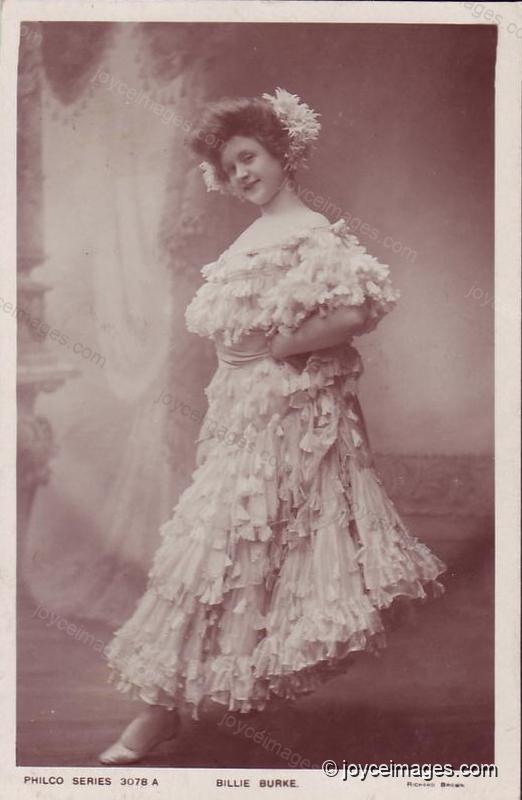
"He read where his finger opened.
- All the dollarbills her husband gave her were spent in the stores on wondrous gowns and costliest frillies. For him! For Raoul!
Yes. This. Here. Try." (U10.607)
- All the dollarbills her husband gave her were spent in the stores on wondrous gowns and costliest frillies. For him! For Raoul!
Yes. This. Here. Try." (U10.607)
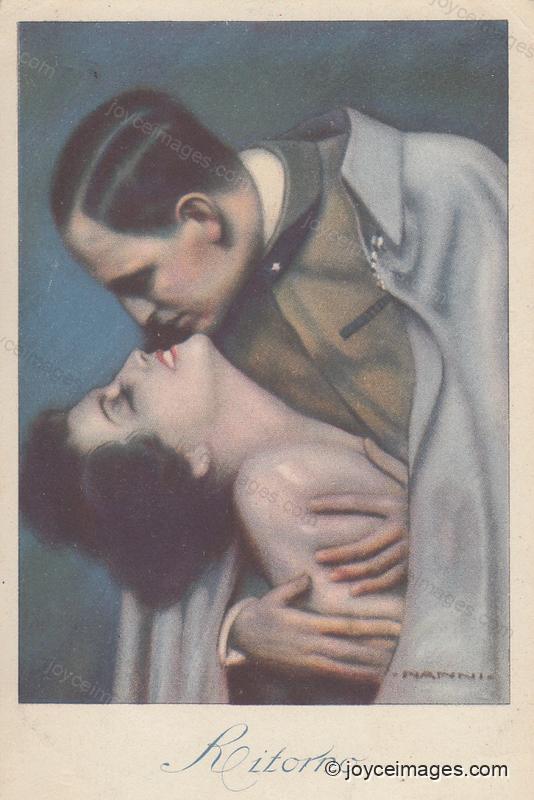
"— Her mouth glued on his in a luscious voluptuous kiss while his hands felt for the opulent curves inside her deshabille.
Yes. Take this. The end.
—You are late, he spoke hoarsely, eying her with a suspicious glare." (U10.611)
Yes. Take this. The end.
—You are late, he spoke hoarsely, eying her with a suspicious glare." (U10.611)
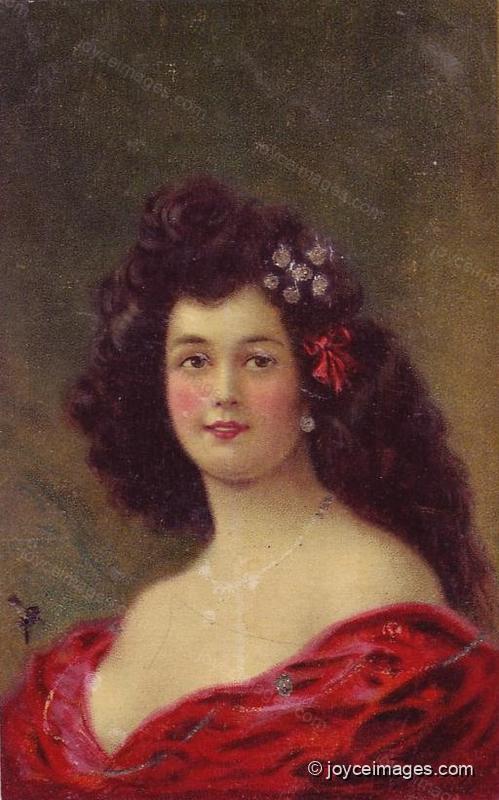
"The beautiful woman threw off her sabletrimmed wrap, displaying her queenly shoulders and heaving embonpoint. An imperceptible smile played round her perfect lips as she turned to him calmly.
Mr Bloom read again: The beautiful woman...
Warmth showered gently over him, cowing his flesh." (U10.615)
Mr Bloom read again: The beautiful woman...
Warmth showered gently over him, cowing his flesh." (U10.615)