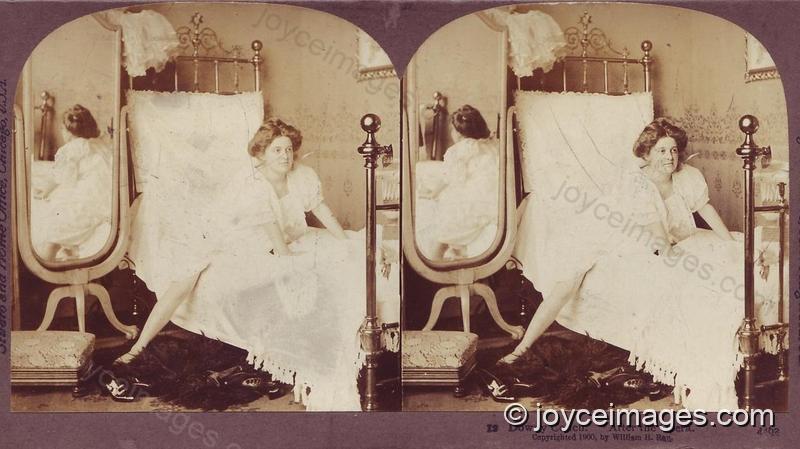
"Swish and soft flop her stays made on the bed. Always warm from her. Always liked to let herself out." (U8.198)
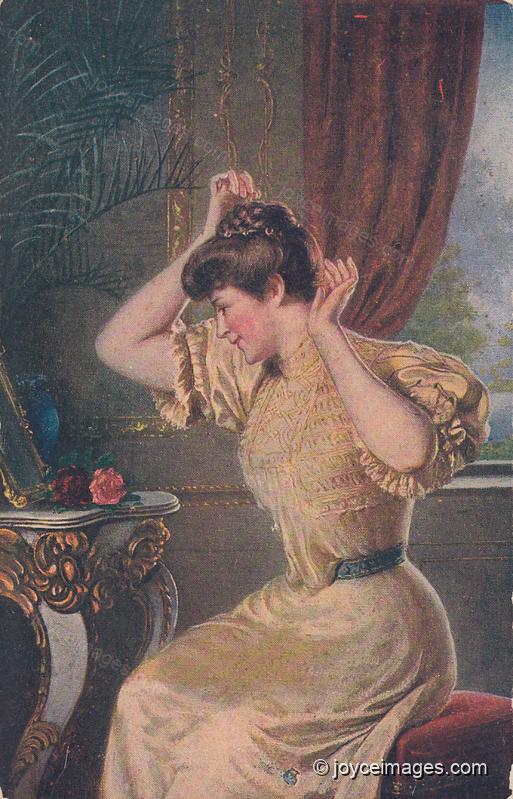
"Sitting there after till near two, taking out her hairpins. Milly tucked up in beddyhouse. Happy. Happy. That was the night..." (U8.199)
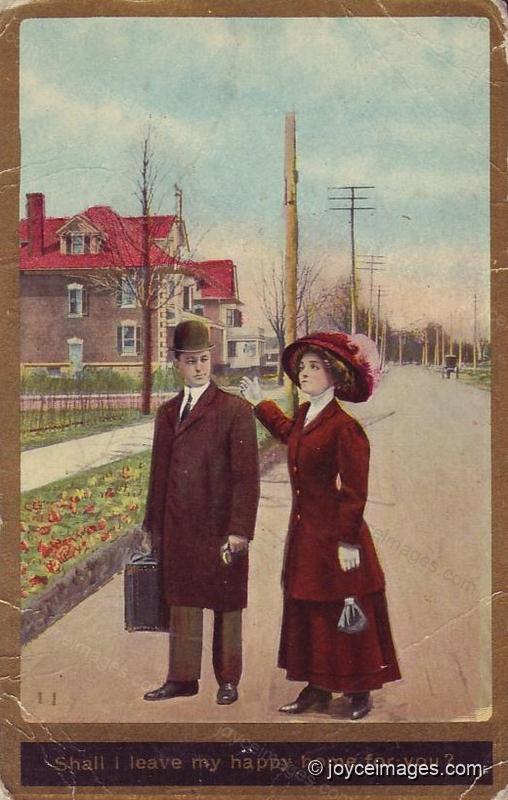
"- O, Mr Bloom, how do you do?
- O, how do you do, Mrs Breen?
- No use complaining. How is Molly those times? Haven't seen her for ages." (U8.202)
- O, how do you do, Mrs Breen?
- No use complaining. How is Molly those times? Haven't seen her for ages." (U8.202)
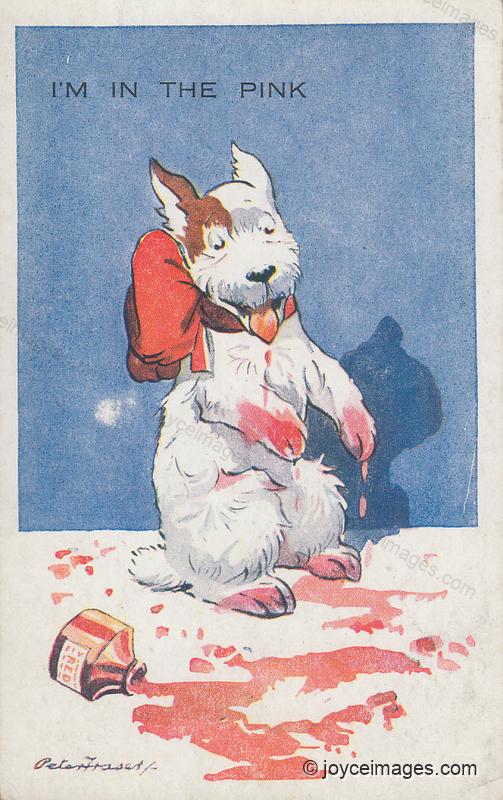
"- In the pink, Mr Bloom said gaily," (U8.206)
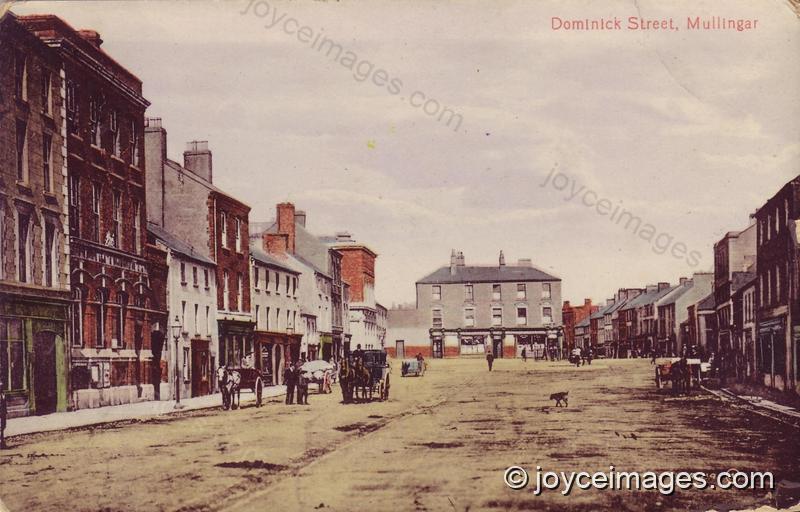
"Milly has a position down in Mullingar, you know.
- Go away! Isn't that grand for her?
- Yes, in a photographer's there. Getting on like a house on fire. How are all your charges?" (U8.206)
- Go away! Isn't that grand for her?
- Yes, in a photographer's there. Getting on like a house on fire. How are all your charges?" (U8.206)
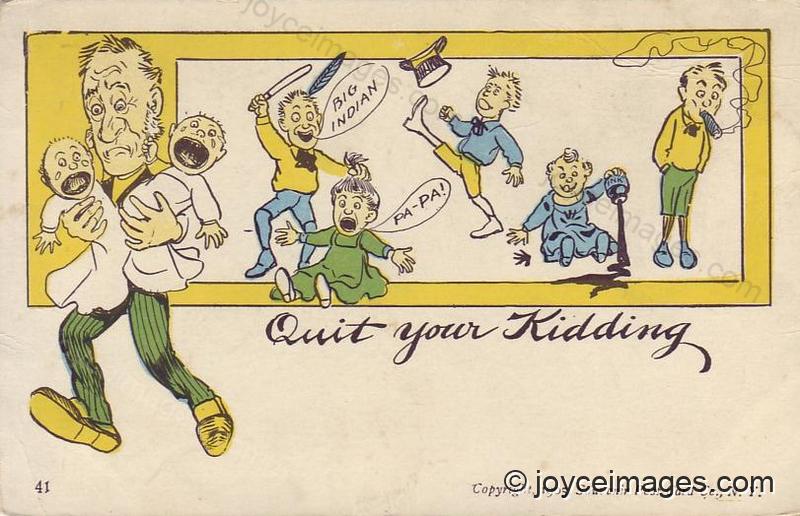
"- All on the baker's list, Mrs Breen said.
How many has she? No other in sight." (U8.211)
How many has she? No other in sight." (U8.211)
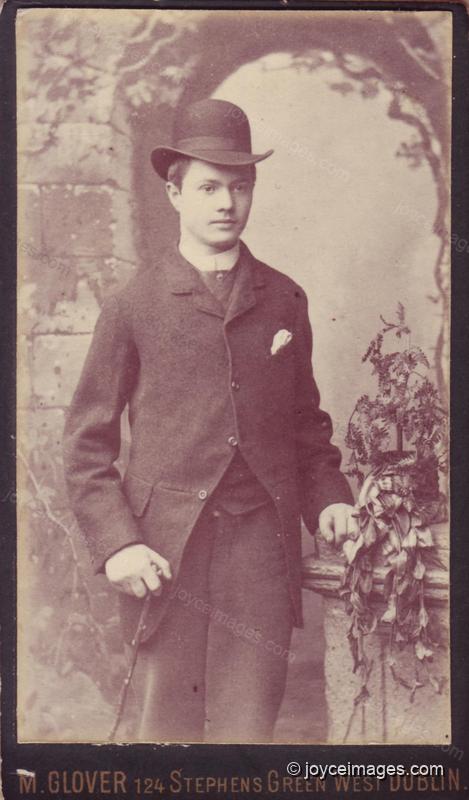
"- You're in black, I see. You have no...?
- No, Mr Bloom said. I have just come from a funeral.
Going to crop up all day, I foresee. Who's dead, when and what did he die of?" (U8.213)
- No, Mr Bloom said. I have just come from a funeral.
Going to crop up all day, I foresee. Who's dead, when and what did he die of?" (U8.213)
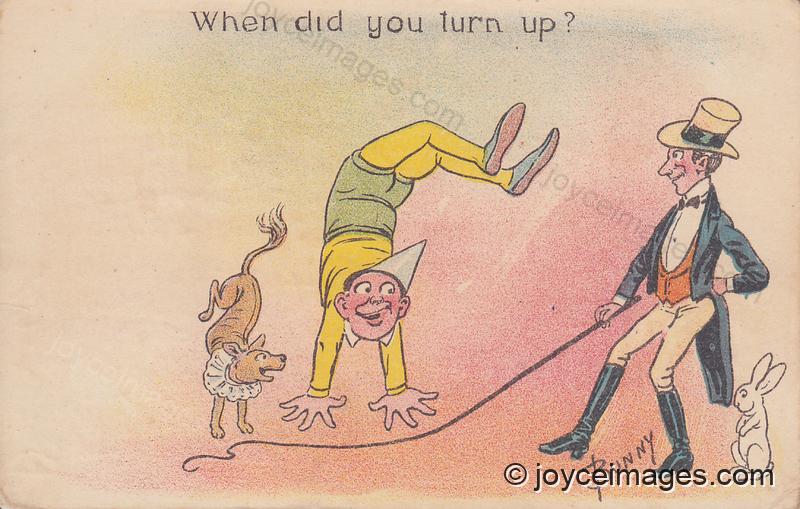
"Turn up like a bad penny.
- O dear me, Mrs Breen said. I hope it wasn't any near relation.
May as well get her sympathy.
- Dignam, Mr Bloom said. An old friend of mine. He died quite suddenly, poor fellow. Heart trouble, I believe. Funeral was this morning." (U8.216)
- O dear me, Mrs Breen said. I hope it wasn't any near relation.
May as well get her sympathy.
- Dignam, Mr Bloom said. An old friend of mine. He died quite suddenly, poor fellow. Heart trouble, I believe. Funeral was this morning." (U8.216)
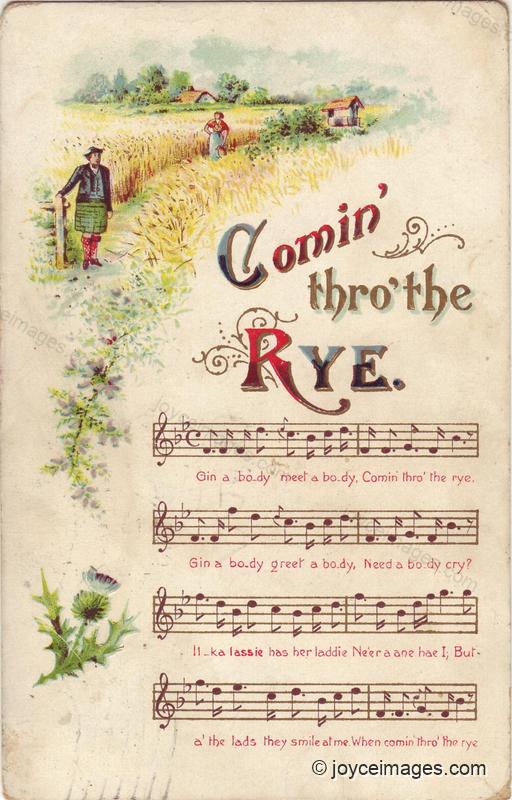
"Your funeral's tomorrow
While you're coming through the rye.
Diddlediddle dumdum
Diddlediddle..." (U8.221)
While you're coming through the rye.
Diddlediddle dumdum
Diddlediddle..." (U8.221)
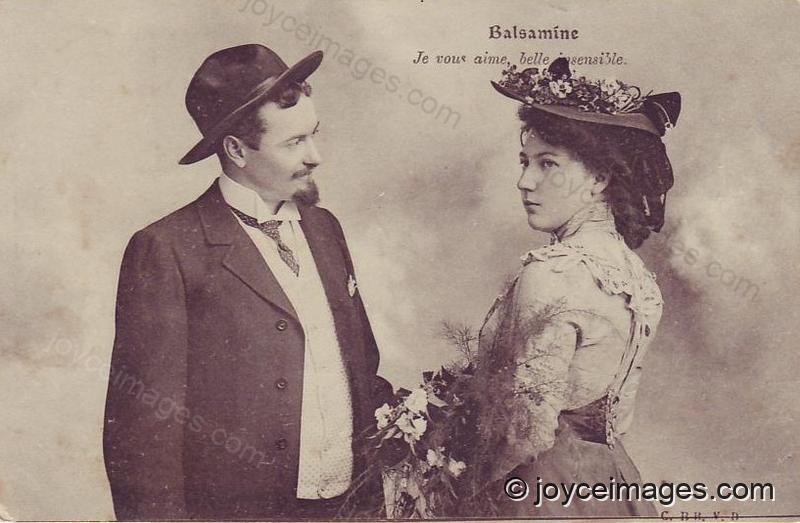
"- Sad to lose the old friends, Mrs Breen's womaneyes said melancholily.
Now that's quite enough about that. Just quietly: husband.
- And your lord and master?
Mrs Breen turned up her two large eyes. Hasn't lost them anyhow." (U8.225)
Now that's quite enough about that. Just quietly: husband.
- And your lord and master?
Mrs Breen turned up her two large eyes. Hasn't lost them anyhow." (U8.225)
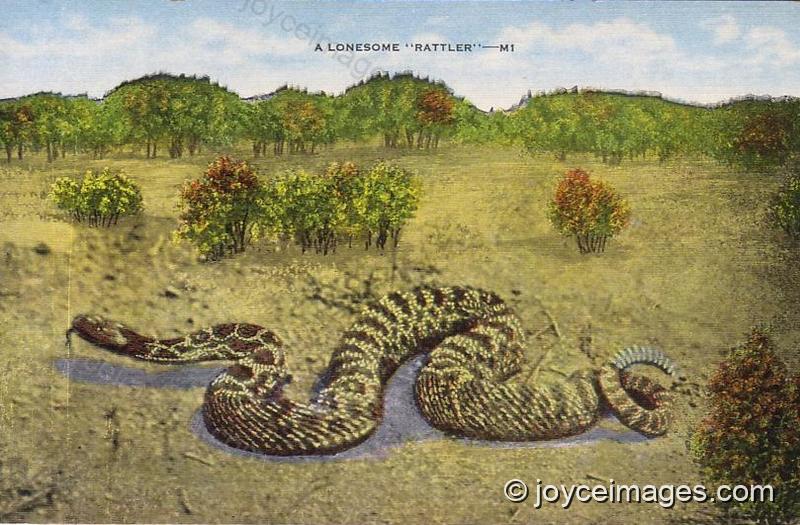
"- O, don't be talking! she said. He's a caution to rattlesnakes. He's in there now with his lawbooks finding out the law of libel. He has me heartscalded. Wait till I show you." (U8.229)
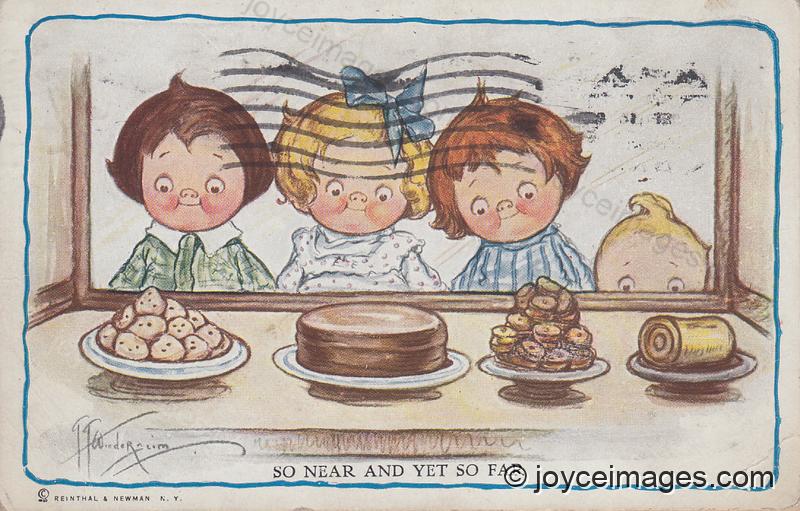
"Hot mockturtle vapour and steam of newbaked jampuffs rolypoly poured out from Harrison's. The heavy noonreek tickled the top of Mr Bloom's gullet." (U8.232)
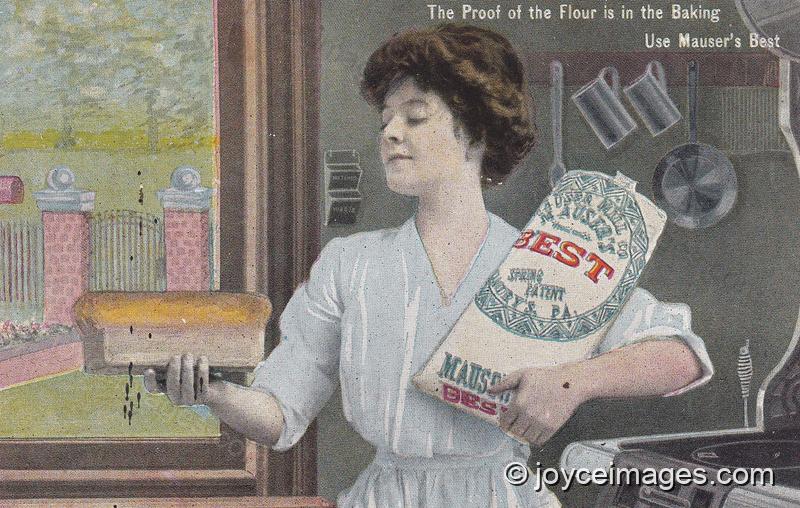
"Want to make good pastry, butter, best flour, Demerara sugar, or they'd taste it with the hot tea. Or is it from her?" (U8.234)
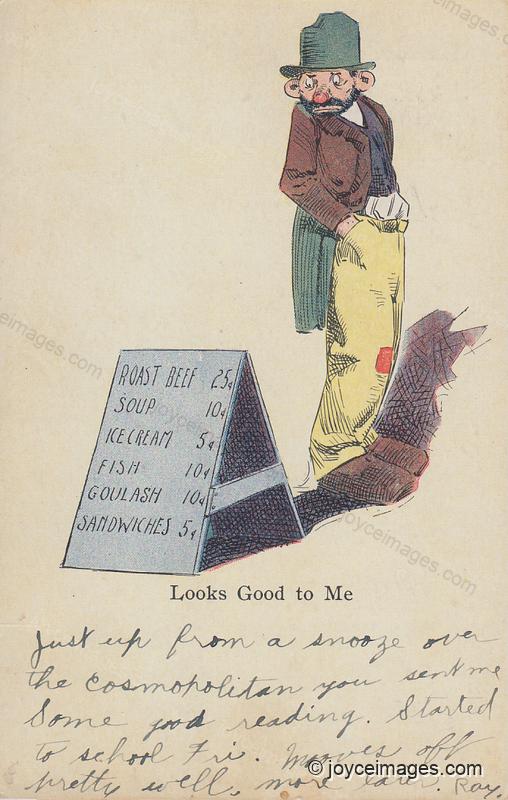
"A barefoot arab stood over the grating, breathing in the fumes. Deaden the gnaw of hunger that way. Pleasure or pain is it? Penny dinner. Knife and fork chained to the table." (U8.235)
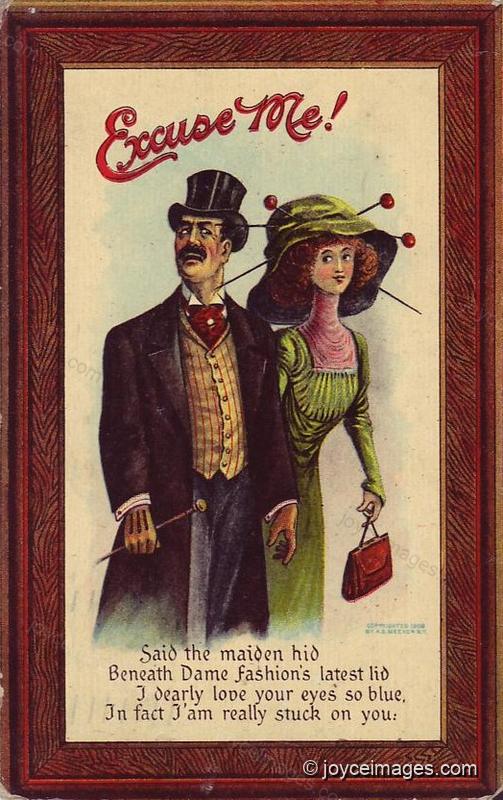
"Opening her handbag, chipped leather. Hatpin: ought to have a guard on those things." (U8.239)
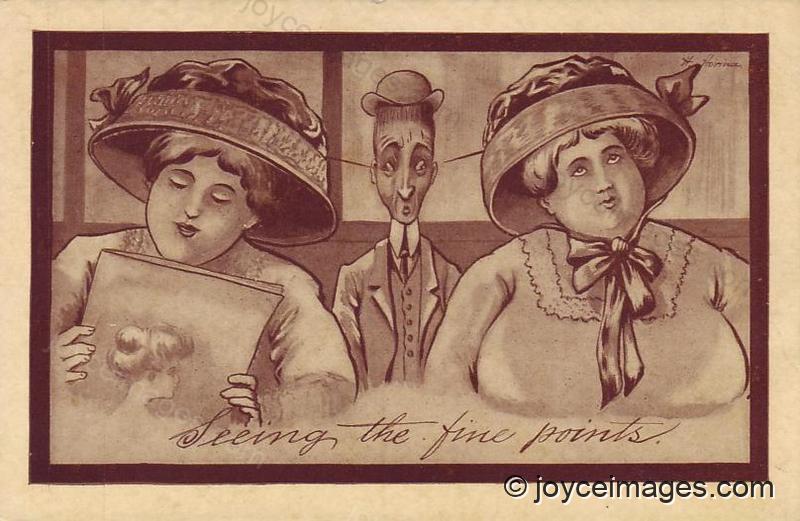
"Stick it in a chap's eye in the tram. Rummaging." (U8.240)