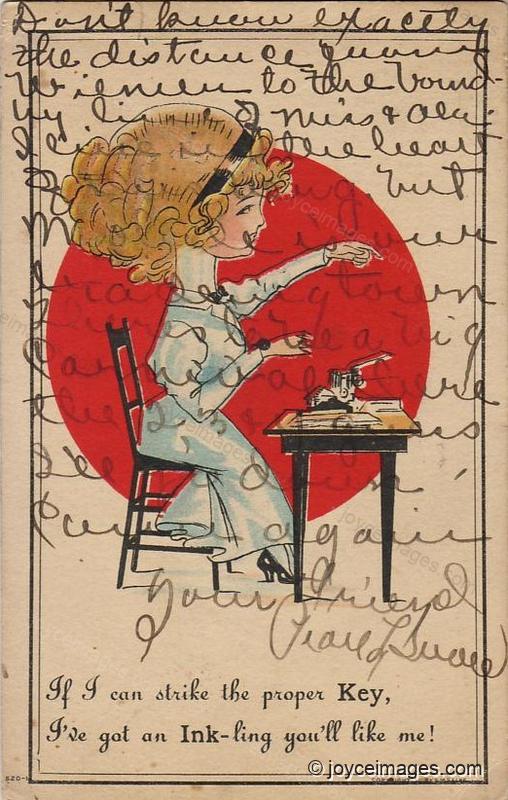
"Dear Henry,
I got your last letter to me and thank you very much for it. I am sorry you did not like my last letter. Why did you enclose the stamps?" (U5.241)
I got your last letter to me and thank you very much for it. I am sorry you did not like my last letter. Why did you enclose the stamps?" (U5.241)
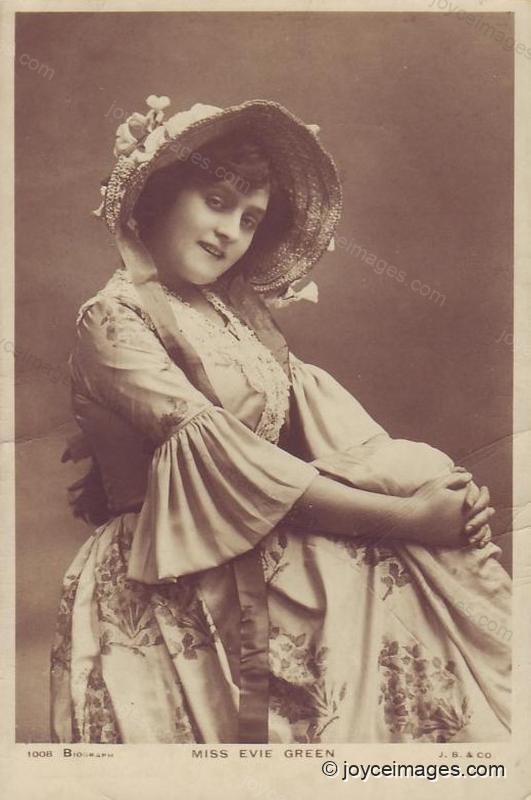
"I am awfully angry with you. I do wish I could punish you for that. I called you naughty boy because I do not like that other world. Please tell me what is the real meaning of that word. Are you not happy in your home you poor little naughty boy? I do wish I could do something for you. Please tell me what you think of poor me." (U5.243)
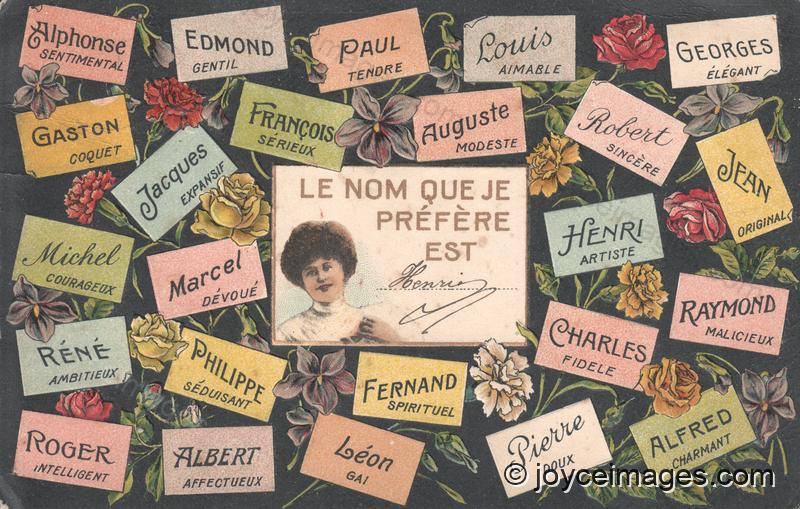
"I often think of the beautiful name you have. Dear Henry, when will we meet? I think of you so often you have no idea. I have never felt myself so much drawn to a man as you. I feel so bad about. Please write me a long letter and tell me more. Remember if you do not I will punish you. So now you know what I will do to you, you naughty boy, if you do not wrote. O how I long to meet you. Henry dear, do not deny my request before my patience are exhausted. Then I will tell you all." (U5.248)
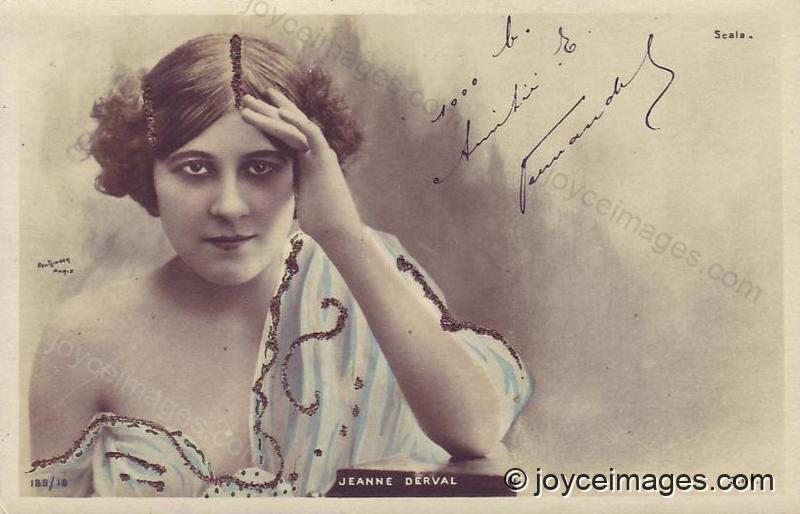
"Goodbye now, naughty darling. I have such a bad headache. today. and write by return to your longing
Martha.
P.S. Do tell me what kind of perfume does your wife use. I want to know.
x x x x" (U5.254)
Martha.
P.S. Do tell me what kind of perfume does your wife use. I want to know.
x x x x" (U5.254)
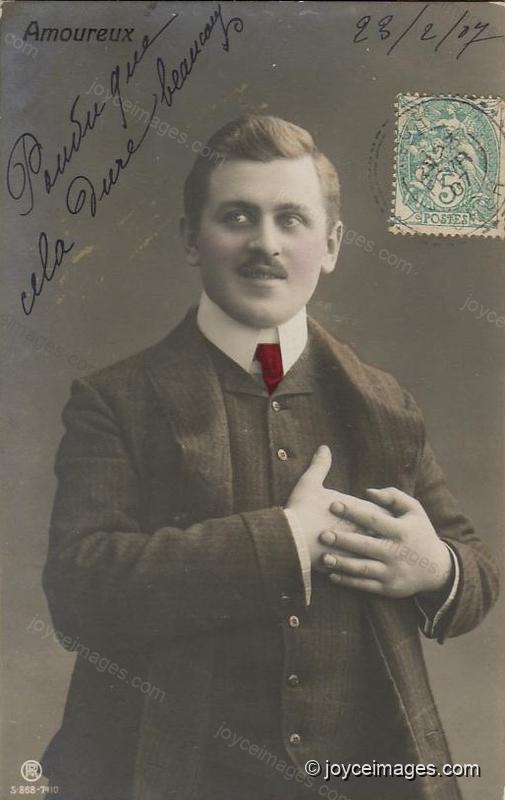
"He tore the flower gravely from its pinhold smelt its almost no smell and placed it in his heart pocket." (U5.260)
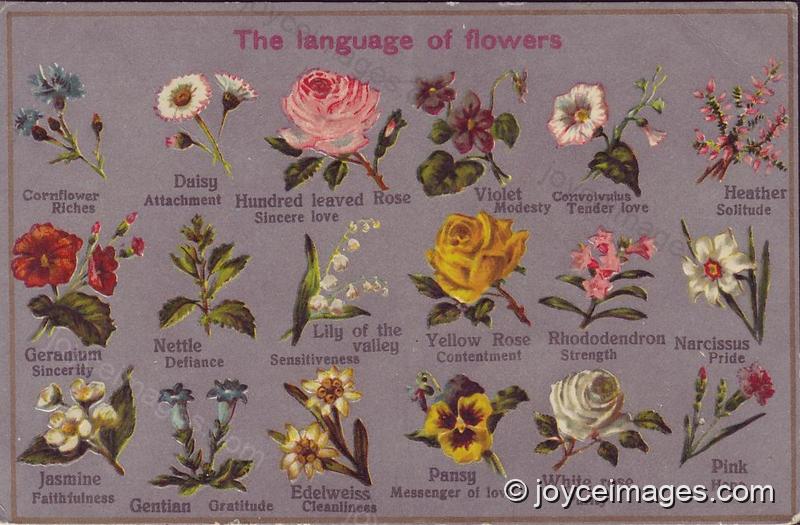
"Language of flowers. They like it because no-one can hear. Or a poison bouquet to strike him down. Then walking slowly forward he read the letter again, murmuring here and there a word." (U5.261)
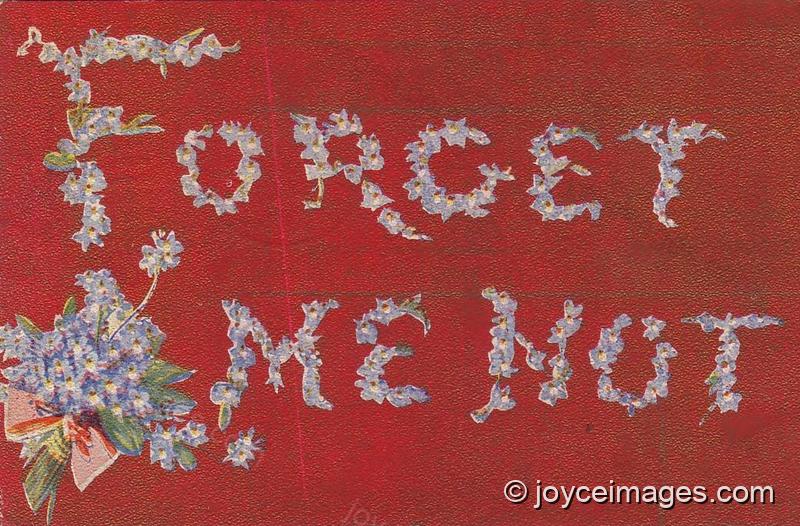
"Angry tulips with you darling manflower punish your cactus if you don't please poor forgetmenot" (U5.264)
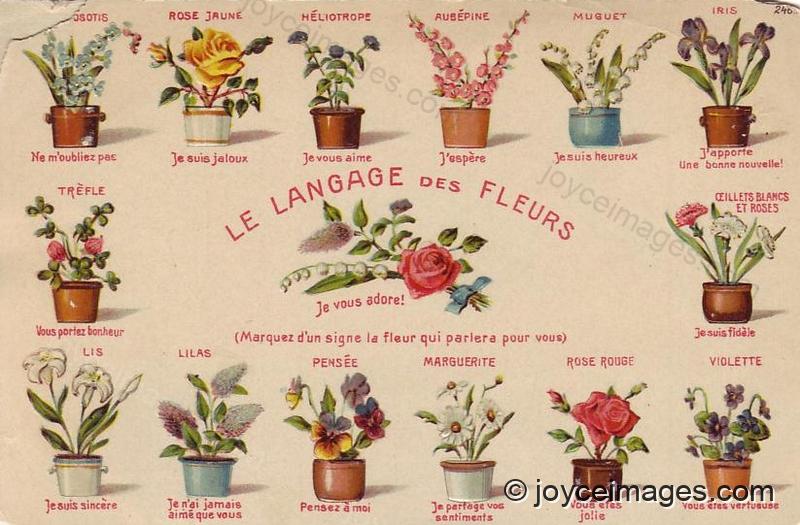
"how I long violets to dear roses when we soon anemone meet all naughty nightstalk wife Martha's perfume. Having read it all he took it from the newspaper and put it back in his sidepocket." (U5.265)
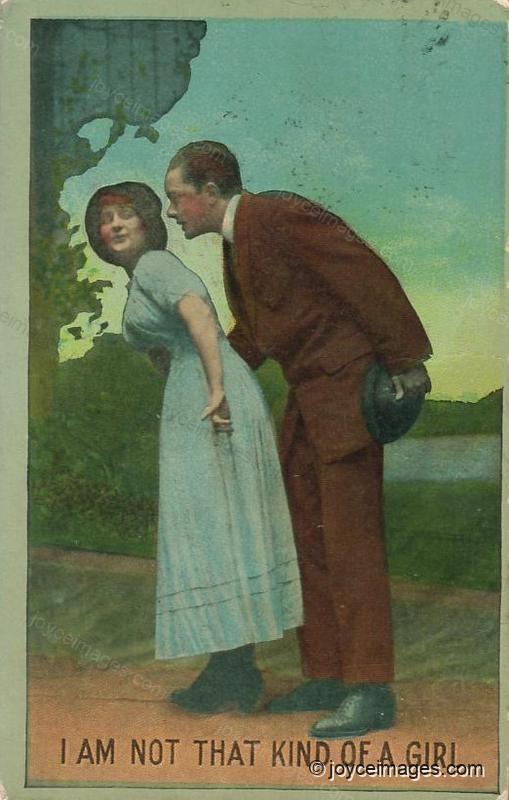
"Weak joy opened his lips. Changed since the first letter. Wonder did she wrote it herself. Doing the indignant: a girl of good family like me, respectable character." (U5.268)
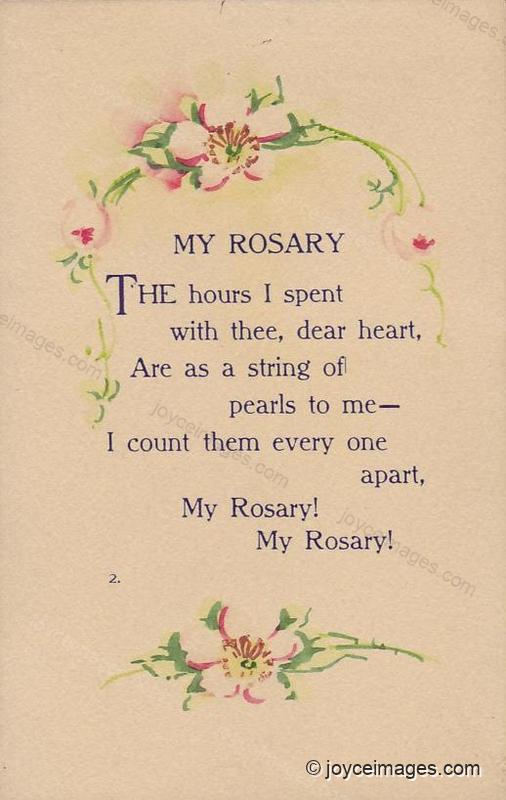
"Could meet one Sunday after the rosary. Thank you: not having any. Usual love scrimmage. Then running round corners." (U5.270)
The rosary is Catholic devotion. The term denotes the prayer beads used to count the series of prayers that make up the rosary. The prayers consist of repeated sequences of the Lord's Prayer followed by ten prayings of the Hail Mary and a single praying of 'Glory Be to the Father', a sequence known as a 'decade'. The praying of each decade is accompanied by meditation on one of the Mysteries of the Rosary, which recall the life of Jesus Christ. The traditional 15 Mysteries of the Rosary were standardized, based on the long-standing custom, by Pope St. Pius V in the 16c.
The rosary is Catholic devotion. The term denotes the prayer beads used to count the series of prayers that make up the rosary. The prayers consist of repeated sequences of the Lord's Prayer followed by ten prayings of the Hail Mary and a single praying of 'Glory Be to the Father', a sequence known as a 'decade'. The praying of each decade is accompanied by meditation on one of the Mysteries of the Rosary, which recall the life of Jesus Christ. The traditional 15 Mysteries of the Rosary were standardized, based on the long-standing custom, by Pope St. Pius V in the 16c.
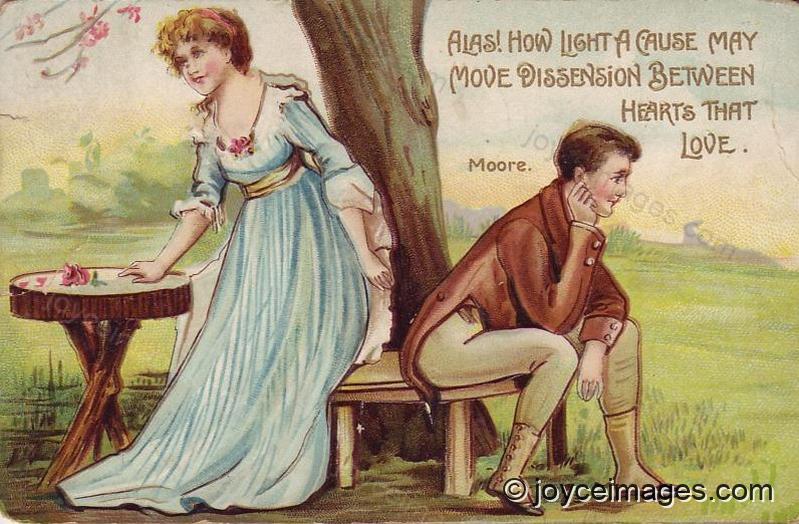
"Bad as a row with Molly." (U5.271)
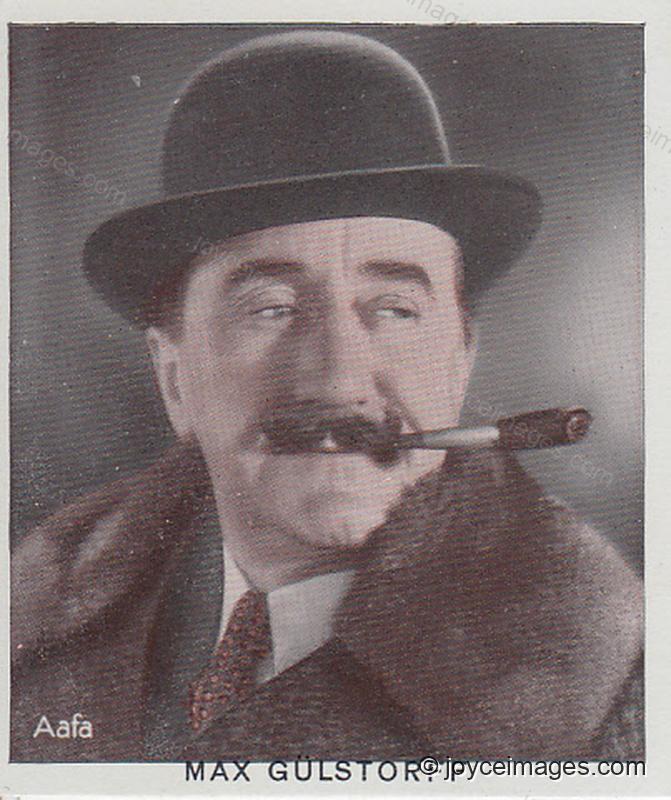
"Cigar has a cooling effect. Narcotic. Go further next time. Naughty boy: punish: afraid of words, of course." (U5.272)
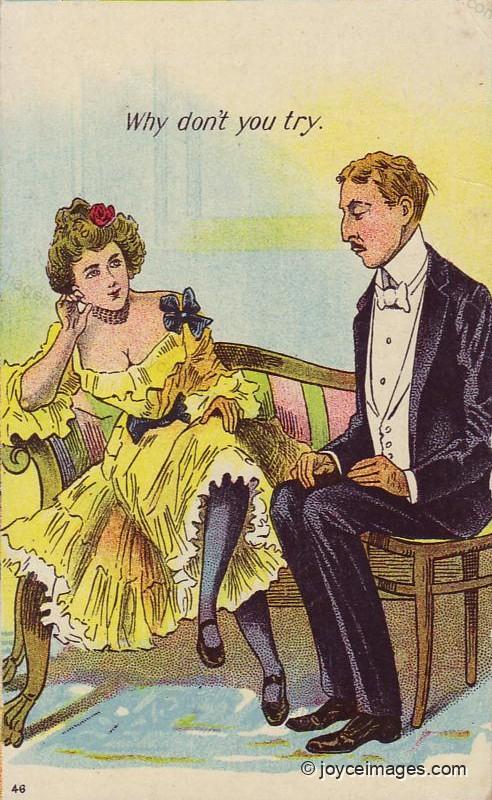
"Brutal, why not? Try it anyhow. A bit at a time." (U5.273)
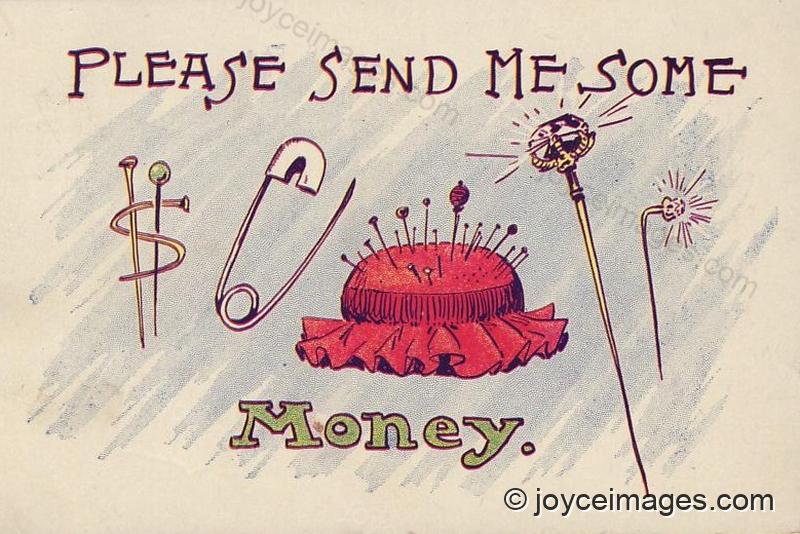
"Fingering still the letter in his pocket he drew the pin out of it. Common pin, eh? He threw it on the road. Out of her clothes somewhere: pinned together." (U5.275)
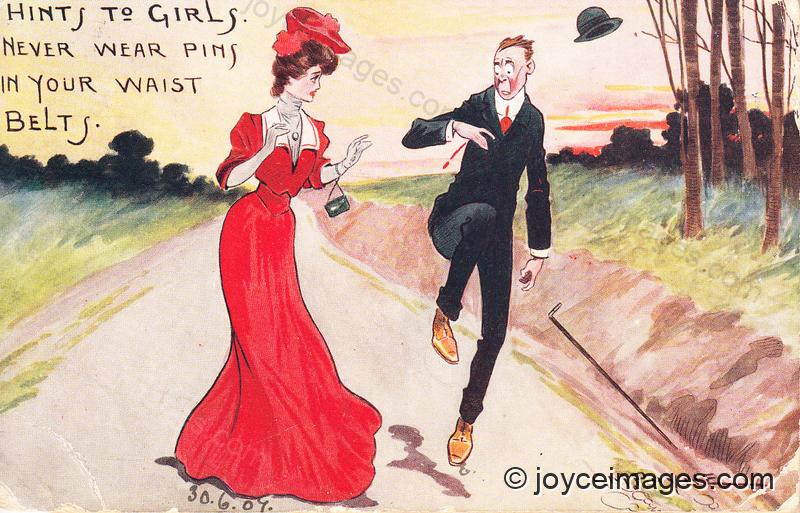
"Queer the number of pins they always have." (U5.277)
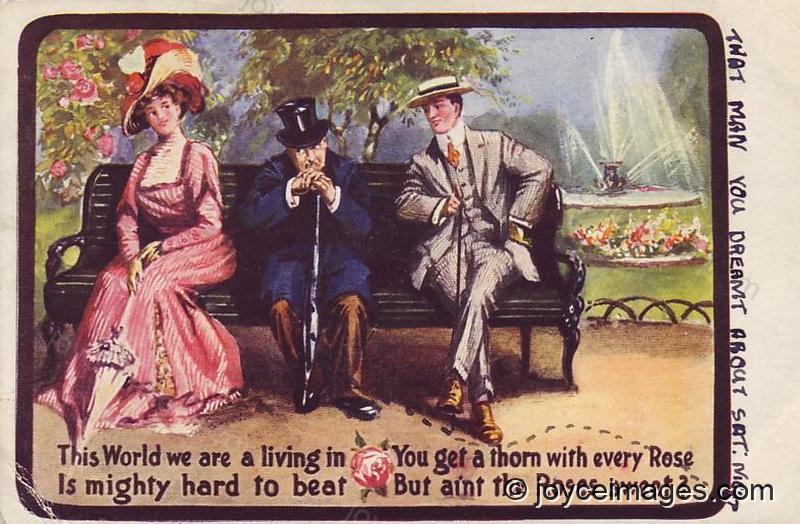
"No roses without thorns.
Flat Dublin voices bawled in his head. Those two sluts that night in the Coombe, linked together in the rain." (U5.277)
Flat Dublin voices bawled in his head. Those two sluts that night in the Coombe, linked together in the rain." (U5.277)