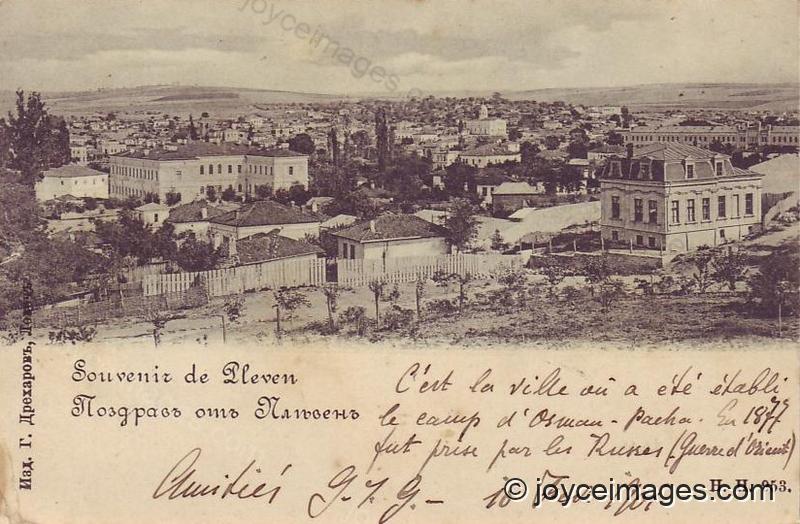
"Hard as nails at a bargain, old Tweedy. Yes, sir. At Plevna that was. I rose from the ranks, sir, and I'm proud of it." (U4.63)
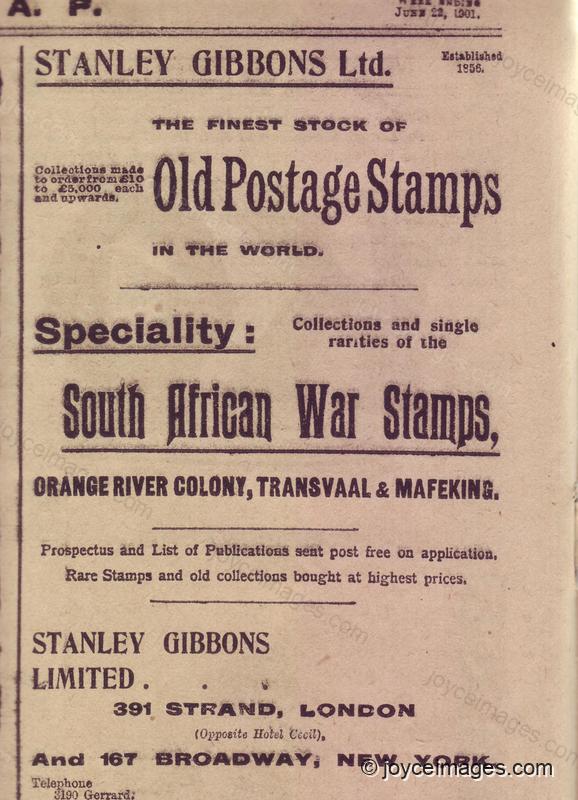
"Still he had brains enough to make that corner in stamps. Now that was farseeing." (U4.64)
Tweedy must have smartly invested in stamps. Here an ad in M.A.P. (1901) offering "collections and rarities."
Tweedy must have smartly invested in stamps. Here an ad in M.A.P. (1901) offering "collections and rarities."
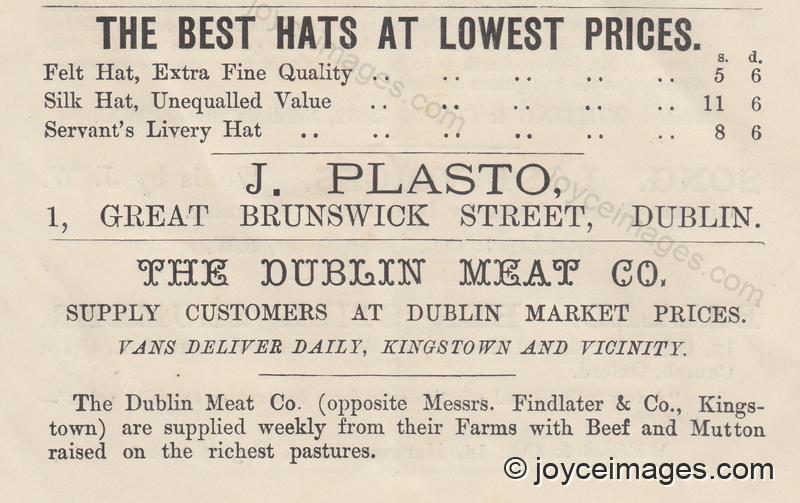
"His hand took his hat from the peg over his initialled heavy overcoat and his lost property office secondhand waterproof. Stamps: stickyback pictures. Daresay lots of officers are in the swim too. Course they do. The sweated legend in the crown of his hat told him mutely: Plasto's high grade ha. He peeped quickly inside the leather headband. White slip of paper. Quite safe." (U4.66)
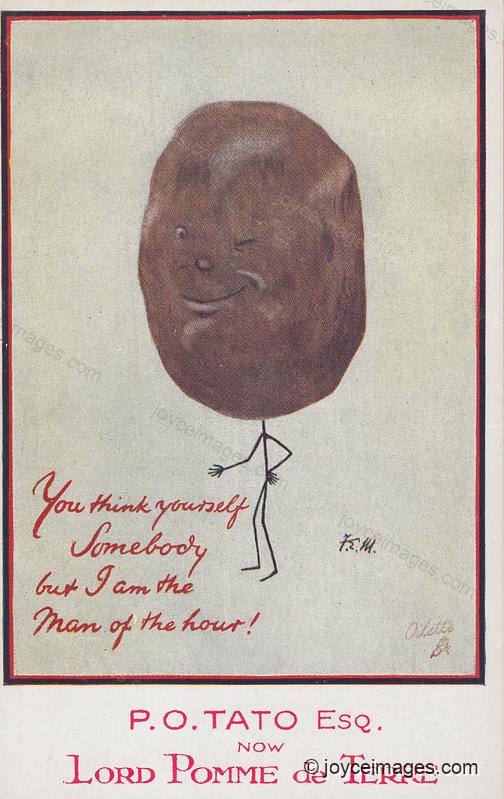
"On the doorstep he felt in his hip pocket for the latchkey. Not there. In the trousers I left off. Must get it. Potato I have." (U4.72)
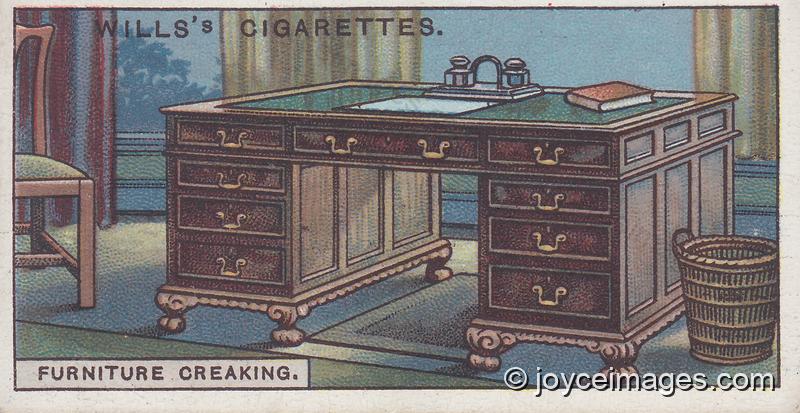
"Creaky wardrobe. No use disturbing her." (U4.73)
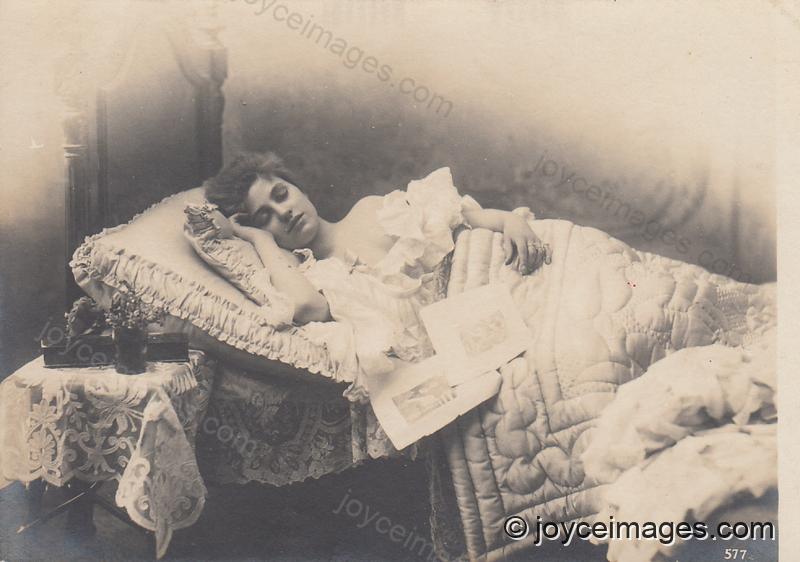
"She turned over sleepily that time. He pulled the halldoor to after him very quietly, more, till the footleaf dropped gently over the threshold, a limp lid. Looked shut. All right till I come back anyhow.
He crossed to the bright side, avoiding the loose cellarflap of number seventyfive." (U4.74)
He crossed to the bright side, avoiding the loose cellarflap of number seventyfive." (U4.74)
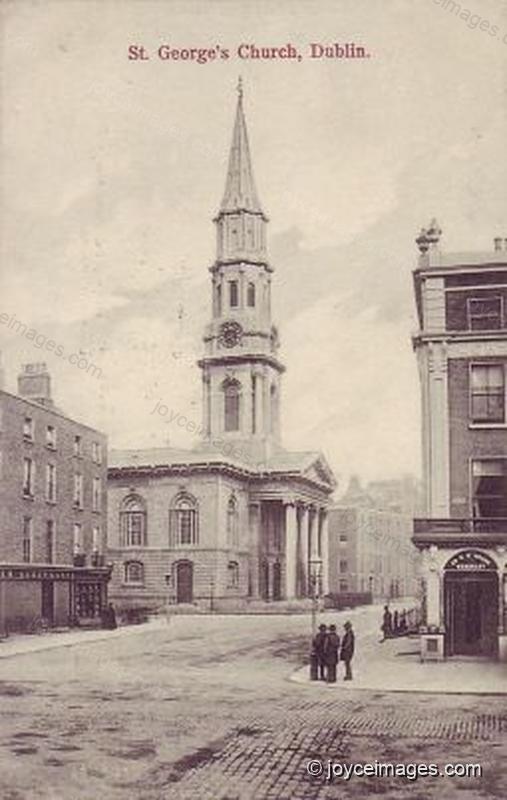
"The sun was nearing the steeple of George's church. Be a warm day I fancy. Specially in these black clothes feel it more. Black conducts, reflects (refracts is it?) the heat. But I couldn't go in that light suit. Make a picnic of it. His eyelids sank quietly often as he walked in happy warmth." (U4.78)
St George's church, on Hardwicke Place, is an Anglican church. It was designed by the architect Francis Johnston (1760 - 1829), to whom Dublin also owes the General Post Office and the renovated Viceregal Lodge. It was built 1802 -13, and was consecrated in 1814.
Also, when a church is mentioned, notice "the curious fashion in which the Dublin citizens omit the prefix Saint. It is not unusual to hear the National Cathedral referred to as 'Patrick's,' and the Parish Churches as Catherine's, Mary's, Werburgh's etc. The Roman Catholic churches are commonly designated by the use of the locality in which they are built, as Clarendon Street, Whitefriars Street, Westland Row, etc" (SOF, 1907)
St George's church, on Hardwicke Place, is an Anglican church. It was designed by the architect Francis Johnston (1760 - 1829), to whom Dublin also owes the General Post Office and the renovated Viceregal Lodge. It was built 1802 -13, and was consecrated in 1814.
Also, when a church is mentioned, notice "the curious fashion in which the Dublin citizens omit the prefix Saint. It is not unusual to hear the National Cathedral referred to as 'Patrick's,' and the Parish Churches as Catherine's, Mary's, Werburgh's etc. The Roman Catholic churches are commonly designated by the use of the locality in which they are built, as Clarendon Street, Whitefriars Street, Westland Row, etc" (SOF, 1907)
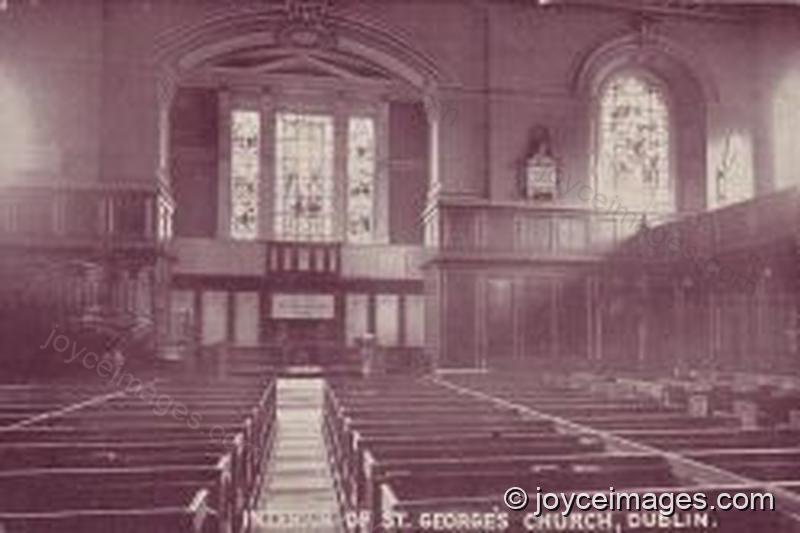
This PC shows the interior of George's church. In recent years, with migration of parishioners from the inner city to the suburbs, St George's was increasingly deserted. After 176 years of religious services, a final mass was held on April 29th 1990. The building is now the Temple Theater.
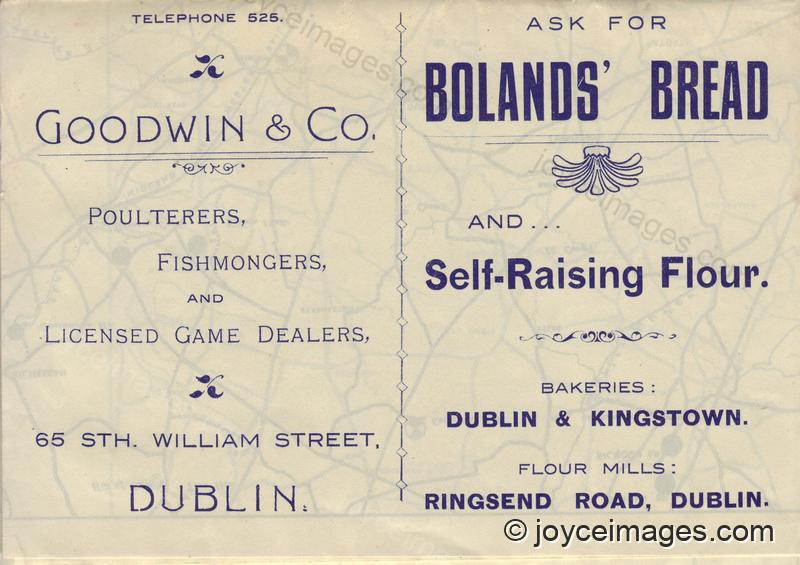
"Boland's breadvan delivering with trays" (4.82)
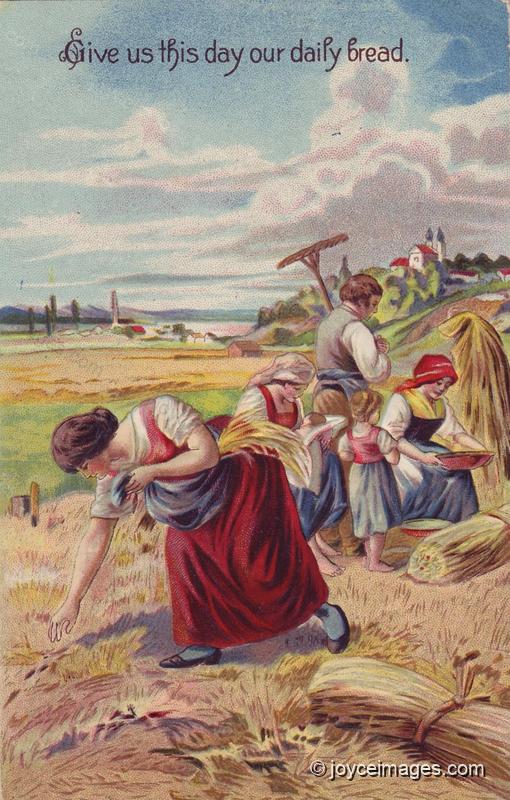
"our daily but she prefers yesterday's loaves turnovers crisp crowns hot. Makes you feel young. Somewhere in the east: early morning: set off at dawn. Travel round in front of the sun, steal a day's march on him. Keep it up for ever never grow a day older technically. Walk along a strand, strange land, come to a city gate, sentry there, old ranker too, old Tweedy's big moustaches, leaning on a long kind of a spear." (4.82)
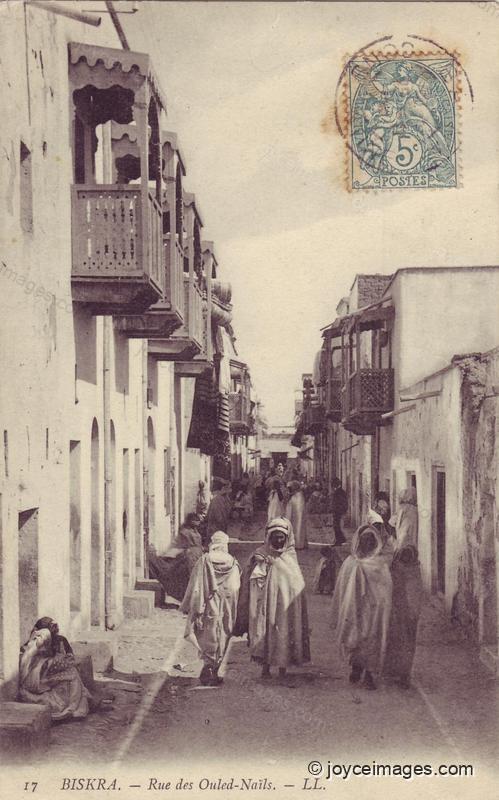
"Wander through awned streets. Turbaned faces going by." (U4.88)
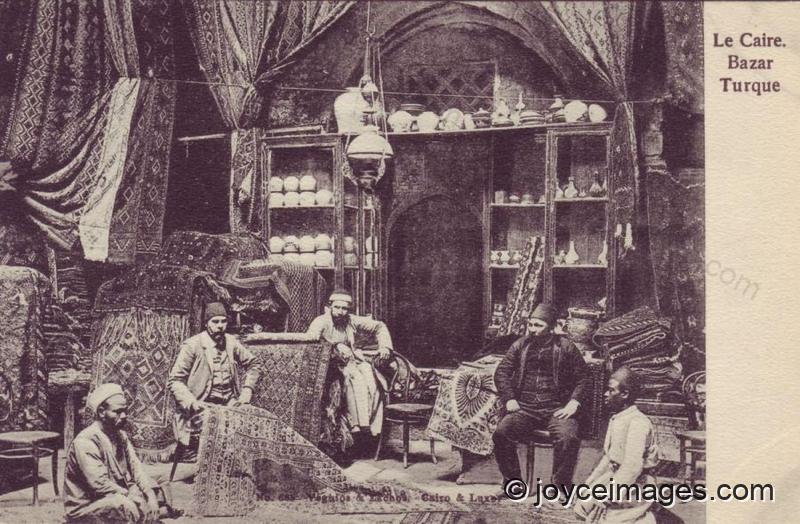
"Dark caves of carpet shops, big man, Turko the terrible, seated crosslegged smoking a coiled pipe." (U4.89)
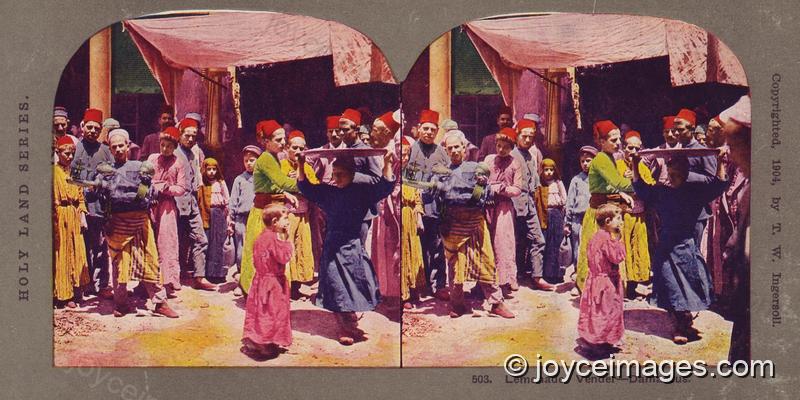
"Cries of sellers in the streets. Drink water scented with fennel, sherbet. Wander along all day. Might meet a robber or two. Well, meet him. Getting on to sundown. The shadows of the mosques among the pillars: priest with a scroll rolled up. A shiver of the trees, signal, the evening wind. I pass on. Fading gold sky." (U4.90)
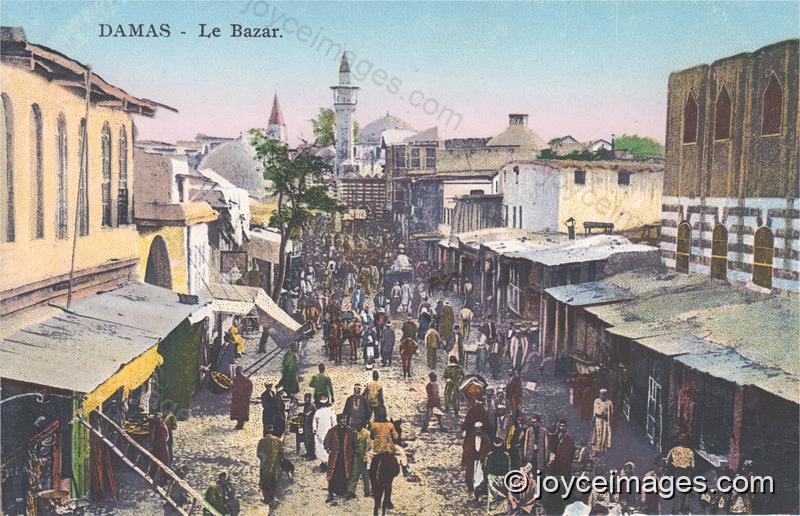
"The shadows of the mosques among the pillars: priest with a scroll rolled up. A shiver of the trees, signal, the evening wind. I pass on. Fading gold sky." (U4.92)
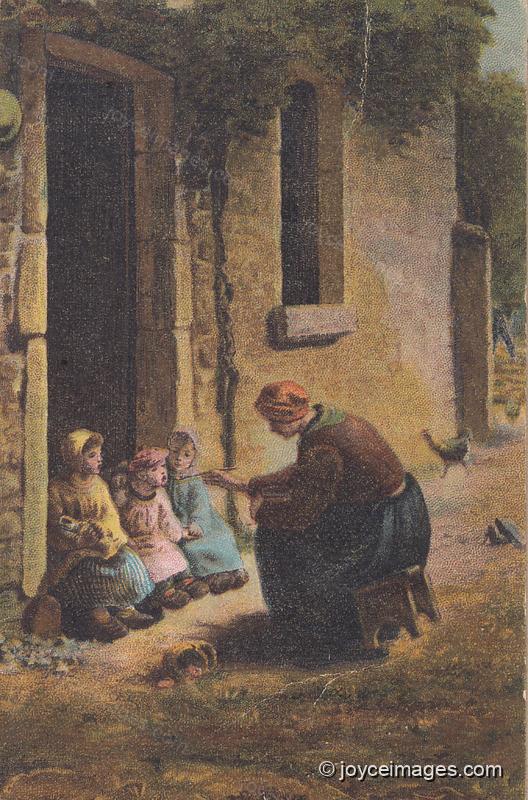
"A mother watches me from her doorway. She calls her children home in their dark language." (U4.94)
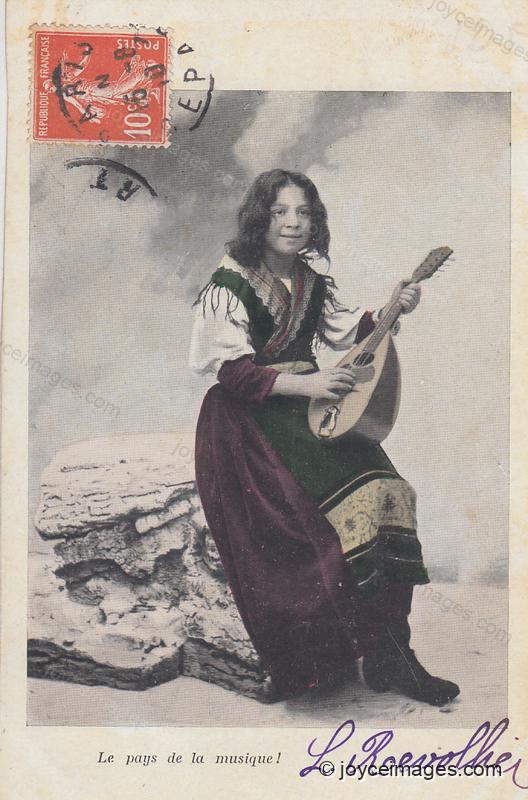
"High wall: beyond strings twanged. Night sky, moon, violet, colour of Molly's new garters." (U4.96)