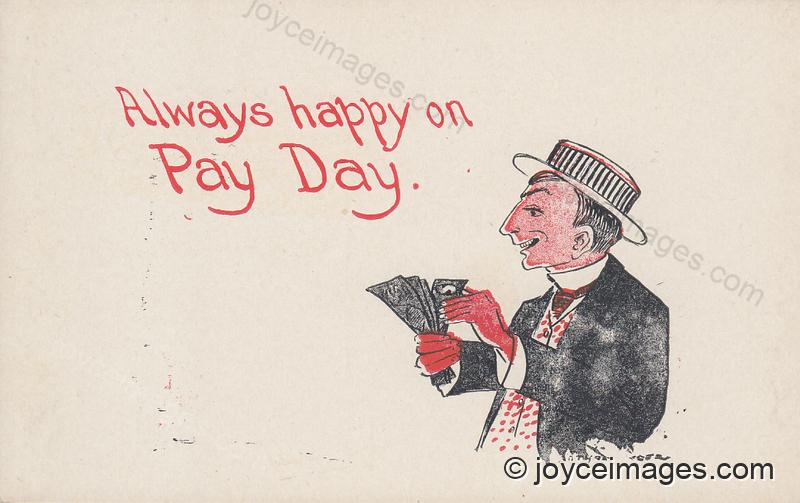
"— I get paid this morning, Stephen said.
— The school kip? Buck Mulligan said. How much? Four quid? Lend us one.
— If you want it, Stephen said." (U1.292)
— The school kip? Buck Mulligan said. How much? Four quid? Lend us one.
— If you want it, Stephen said." (U1.292)
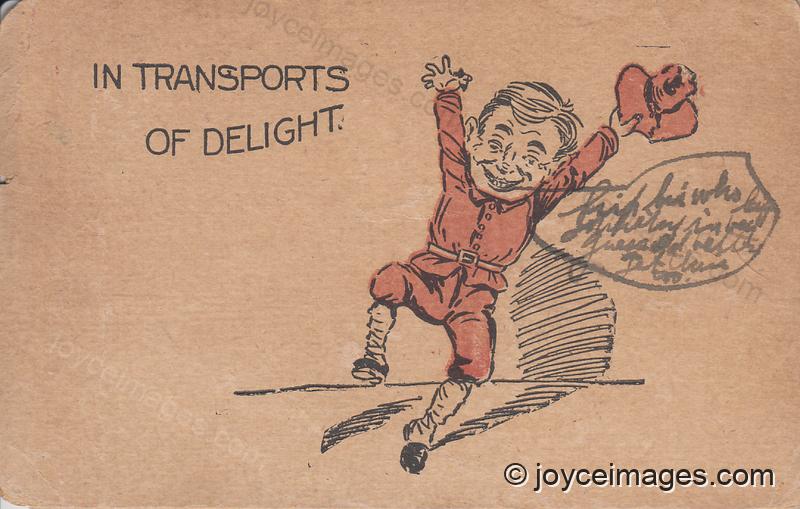
"— Four shining sovereigns, Buck Mulligan cried with delight. We'll have a glorious drunk to astonish the druidy druids. " (U1.296)
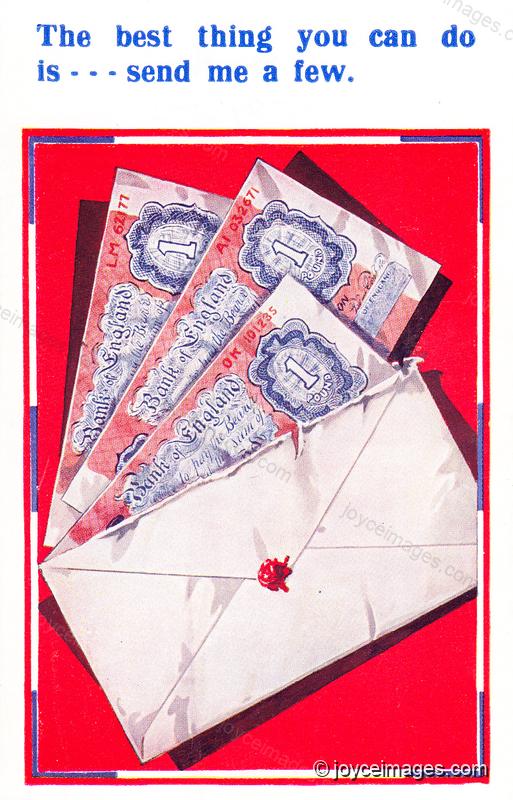
"Four omnipotent sovereigns.
He flung up his hands and tramped down the stone stairs, singing out of tune with a Cockney accent:
— O, won't we have a merry time,
Drinking whisky, beer and wine!
On coronation,
Coronation day!
O, won't we have a merry time
On coronation day!
Warm sunshine merrying over the sea. The nickel shavingbowl shone, forgotten, on the parapet. Why should I bring it down? Or leave it there all day, forgotten friendship?" (U1.297)
He flung up his hands and tramped down the stone stairs, singing out of tune with a Cockney accent:
— O, won't we have a merry time,
Drinking whisky, beer and wine!
On coronation,
Coronation day!
O, won't we have a merry time
On coronation day!
Warm sunshine merrying over the sea. The nickel shavingbowl shone, forgotten, on the parapet. Why should I bring it down? Or leave it there all day, forgotten friendship?" (U1.297)
"He went over to it, held it in his hands awhile, feeling its coolness, smelling the clammy slaver of the lather in which the brush was stuck. So I carried the boat of incense then at Clongowes. I am another now and yet the same. A servant too. A server of a servant.
In the gloomy domed livingroom of the tower Buck Mulligan's gowned form moved briskly to and fro about the hearth, hiding and revealing its yellow glow." (U1.310)
Clongowes Wood S.J. is a boy's preparatory school in Co. Kildare. Both James Joyce and Stephen Dedalus attended it.
In the gloomy domed livingroom of the tower Buck Mulligan's gowned form moved briskly to and fro about the hearth, hiding and revealing its yellow glow." (U1.310)
Clongowes Wood S.J. is a boy's preparatory school in Co. Kildare. Both James Joyce and Stephen Dedalus attended it.
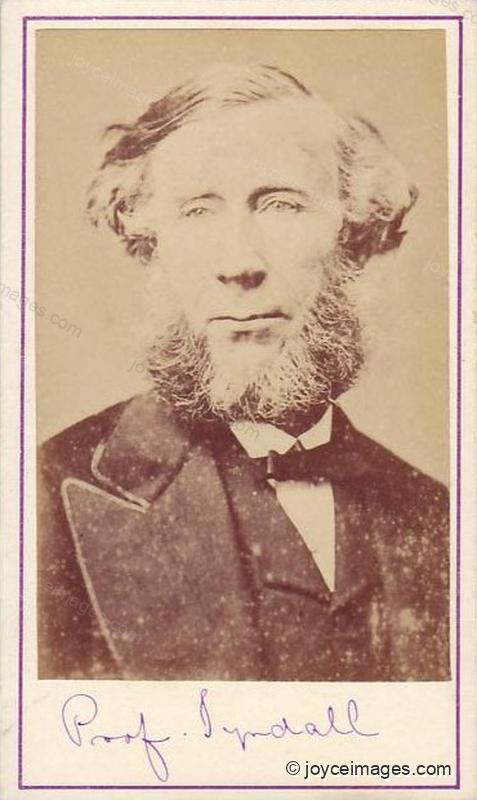
"Two shafts of soft daylight fell across the flagged floor from the high barbicans: and at the meeting of their rays a cloud of coalsmoke and fumes of fried grease floated, turning.
—We'll be choked, Buck Mulligan said. Haines, open that door, will you?
Stephen laid the shavingbowl on the locker. A tall figure rose from the hammock where it had been sitting, went to the doorway and pulled open the inner doors." (U1.315)
—We'll be choked, Buck Mulligan said. Haines, open that door, will you?
Stephen laid the shavingbowl on the locker. A tall figure rose from the hammock where it had been sitting, went to the doorway and pulled open the inner doors." (U1.315)
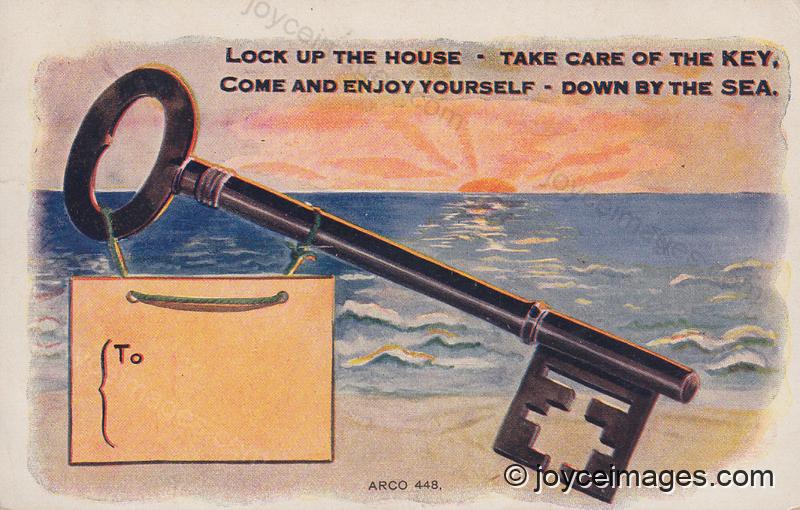
"— Have you the key? a voice asked.
— Dedalus has it, Buck Mulligan said. Janey Mack, I'm choked!
He howled, without looking up from the fire:
— Kinch!
— It's in the lock, Stephen said, coming forward.
The key scraped round harshly twice and, when the heavy door had been set ajar, welcome light and bright air entered. Haines stood at the doorway, looking out. Stephen haled his upended valise to the table and sat down to wait. Buck Mulligan tossed the fry on to the dish beside him. Then he carried the dish and a large teapot over to the table, set them down heavily and sighed with relief." (U1.322)
— Dedalus has it, Buck Mulligan said. Janey Mack, I'm choked!
He howled, without looking up from the fire:
— Kinch!
— It's in the lock, Stephen said, coming forward.
The key scraped round harshly twice and, when the heavy door had been set ajar, welcome light and bright air entered. Haines stood at the doorway, looking out. Stephen haled his upended valise to the table and sat down to wait. Buck Mulligan tossed the fry on to the dish beside him. Then he carried the dish and a large teapot over to the table, set them down heavily and sighed with relief." (U1.322)
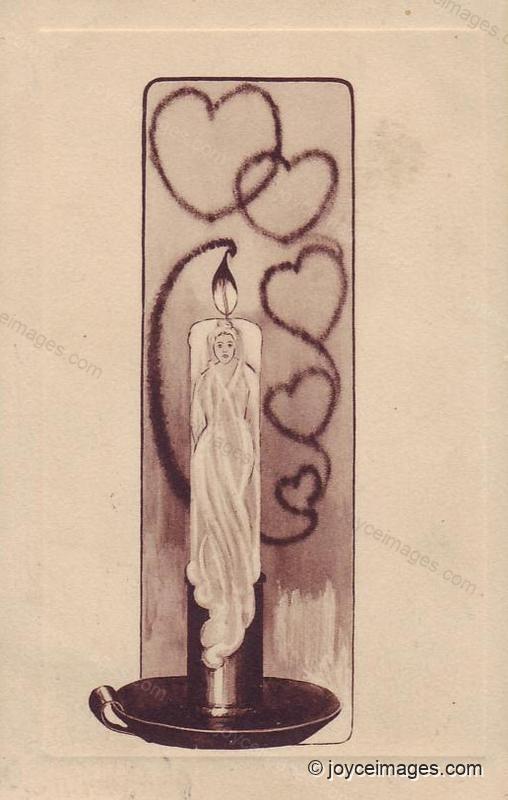
"- I'm melting, he said, as the candle remarked when... But hush! Not a word more on that subject! Kinch, wake up! Bread, butter, honey. Haines, come in." (U1.333)
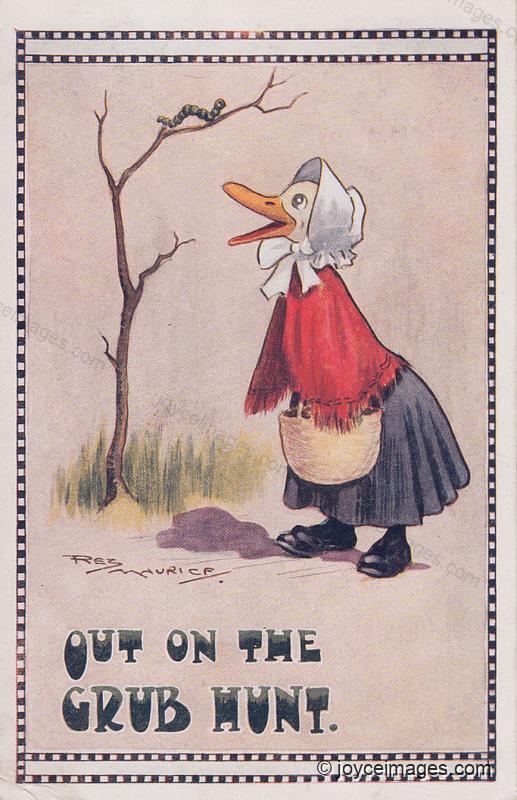
"The grub is ready." (U1.335)
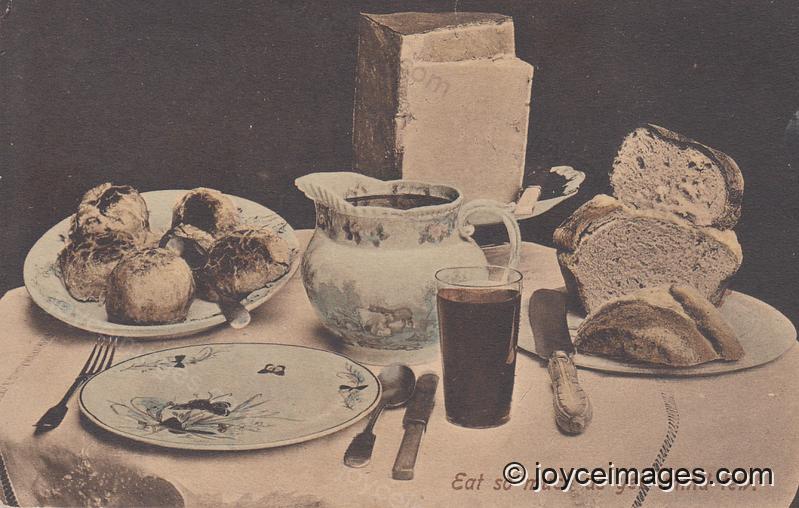
"Bless us, O Lord, and these thy gifts. Where's the sugar? O, jay, there's no milk.
Stephen fetched the loaf and the pot of honey and the buttercooler from the locker. Buck Mulligan sat down in a sudden pet.
— What sort of a kip is this? he said. I told her to come after eight." (U1.335)
Stephen fetched the loaf and the pot of honey and the buttercooler from the locker. Buck Mulligan sat down in a sudden pet.
— What sort of a kip is this? he said. I told her to come after eight." (U1.335)
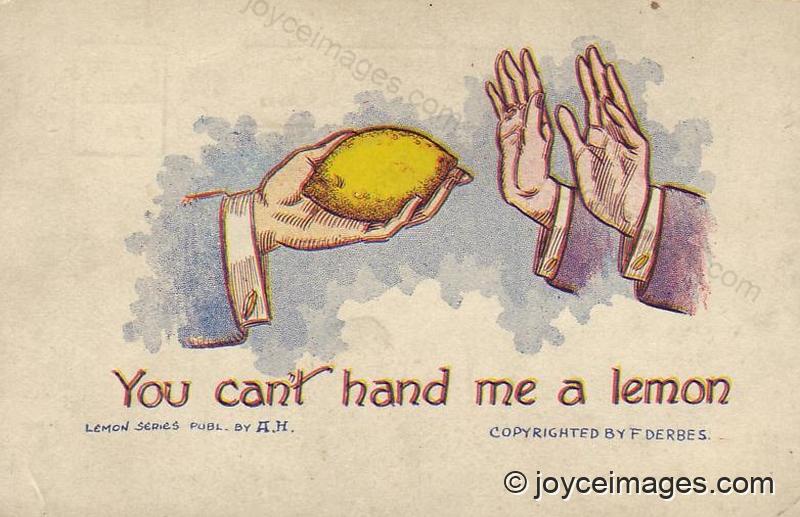
"- We can drink it black, Stephen said thirstily. There's a lemon in the locker.
- O, damn you and your Paris fads! Buck Mulligan said. I want Sandycove milk." (U1.340)
- O, damn you and your Paris fads! Buck Mulligan said. I want Sandycove milk." (U1.340)
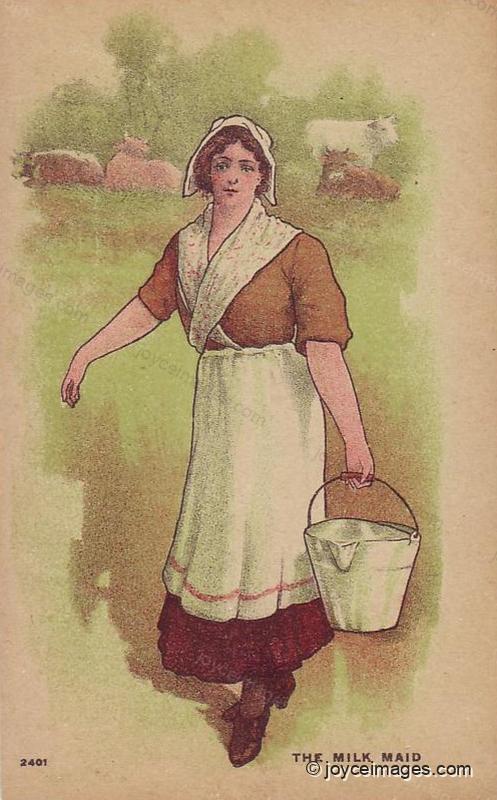
"Haines came in from the doorway and said quietly:
- That woman is coming up with the milk.
- The blessings of God on you! Buck Mulligan cried, jumping up from his chair. Sit down. Pour out the tea there. The sugar is in the bag." (U1.344)
- That woman is coming up with the milk.
- The blessings of God on you! Buck Mulligan cried, jumping up from his chair. Sit down. Pour out the tea there. The sugar is in the bag." (U1.344)
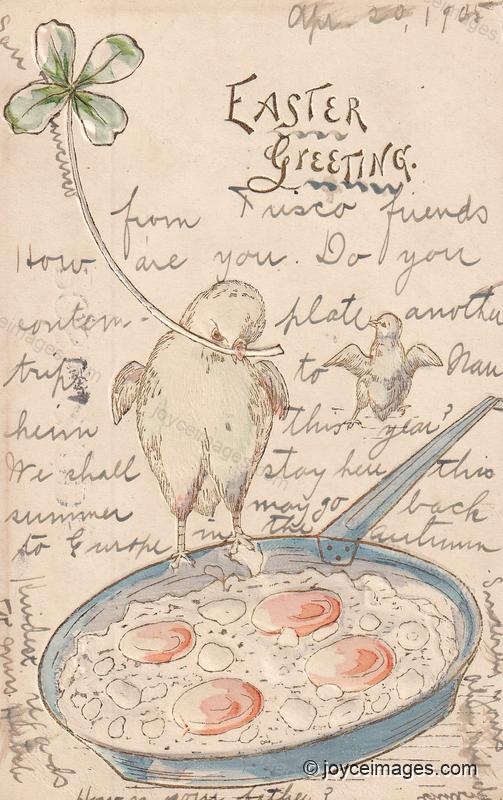
"Here, I can't go fumbling at the damned eggs.
He hacked through the fry on the dish and slapped it out on three plates, saying:
—In nomine Patris et Filii et Spiritus Sancti.
Haines sat down to pour out the tea.
—I'm giving you two lumps each, he said. But, I say, Mulligan, you do make strong tea, don't you?
Buck Mulligan, hewing thick slices from the loaf, said in an old woman's wheedling voice:" (U1.347)
He hacked through the fry on the dish and slapped it out on three plates, saying:
—In nomine Patris et Filii et Spiritus Sancti.
Haines sat down to pour out the tea.
—I'm giving you two lumps each, he said. But, I say, Mulligan, you do make strong tea, don't you?
Buck Mulligan, hewing thick slices from the loaf, said in an old woman's wheedling voice:" (U1.347)
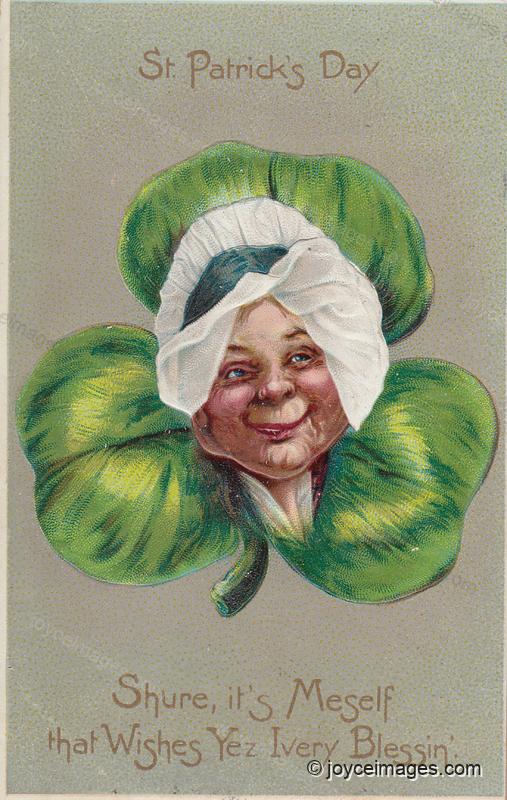
"— When I makes tea I makes tea, as old mother Grogan said. And when I makes water I makes water.
— By Jove, it is tea, Haines said.
Buck Mulligan went on hewing and wheedling:" (U1.357)
— By Jove, it is tea, Haines said.
Buck Mulligan went on hewing and wheedling:" (U1.357)
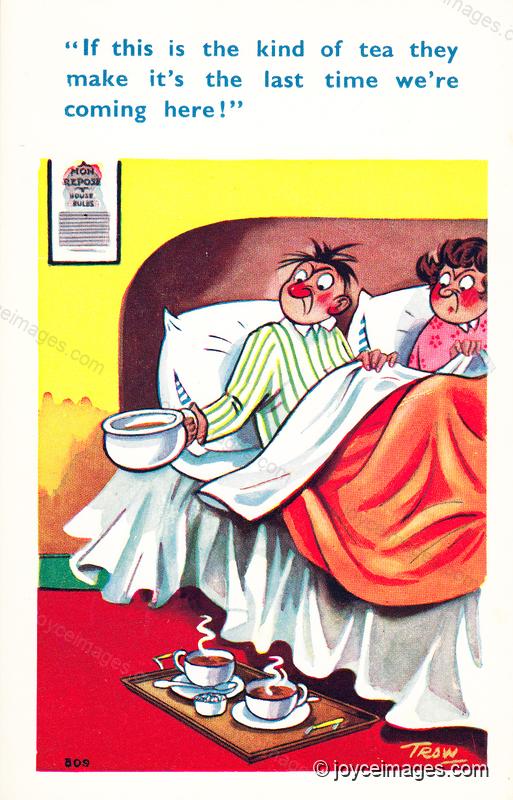
"— So I do, Mrs Cahill, says she. Begob, ma'am, says Mrs Cahill, God send you don't make them in the one pot." (U1.361)
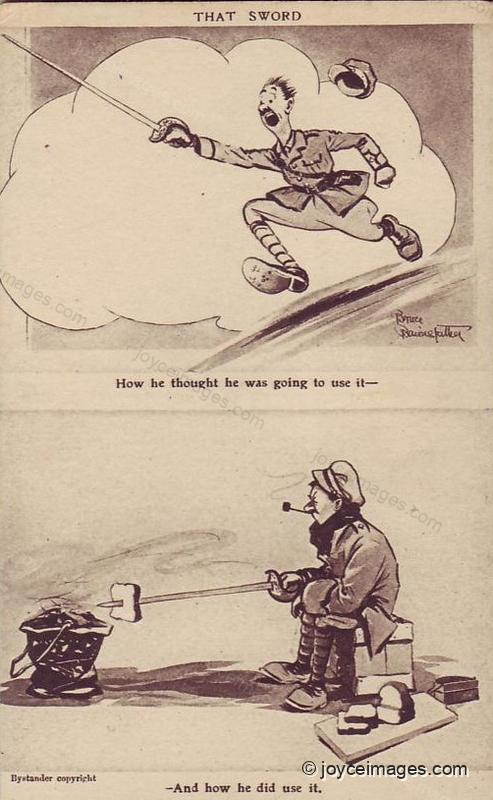
"He lunged towards his messmates in turn a thick slice of bread, impaled on his knife.
- That's folk, he said very earnestly, for your book, Haines. Five lines of text and ten pages of notes about the folk and the fishgods of Dundrum." (U1.363)
- That's folk, he said very earnestly, for your book, Haines. Five lines of text and ten pages of notes about the folk and the fishgods of Dundrum." (U1.363)
"Printed by the weird sisters in the year of the big wind. He turned to Stephen and asked in a fine puzzled voice, lifting his brows:
- Can you recall, brother, is mother Grogan's tea and water pot spoken of in the Mabinogion or is it in the Upanishads?
- I doubt it, said Stephen gravely.
- Do you now? Buck Mulligan said in the same tone. Your reasons, pray?
- I fancy, Stephen said as he ate, it did not exist in or out of the Mabinogion." (U1.367)
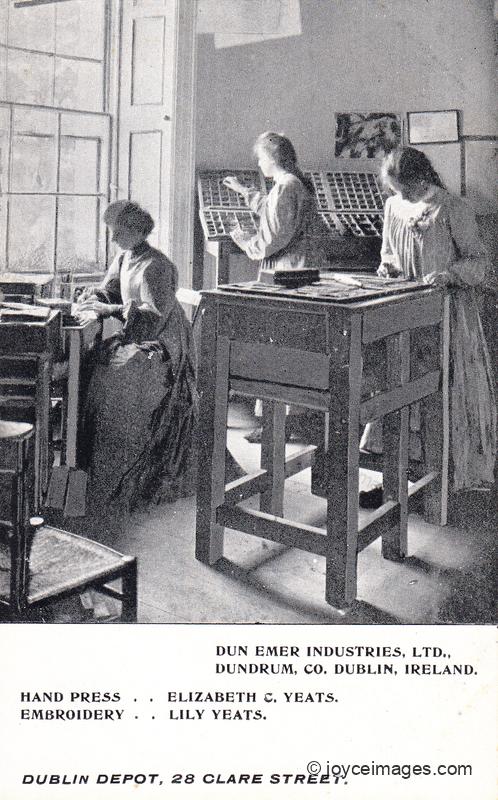
The Dun Emer press-room, ca. 1903. Elizabeth Corbet Yeats is at the iron hand-press; Beatrice Cassidy, standing, is rolling out ink, and Esther Ryan is correcting proofs at the table. The rear wall of the press-room displays a mural in pastel by the poet and artist AE (George Russell).
- Can you recall, brother, is mother Grogan's tea and water pot spoken of in the Mabinogion or is it in the Upanishads?
- I doubt it, said Stephen gravely.
- Do you now? Buck Mulligan said in the same tone. Your reasons, pray?
- I fancy, Stephen said as he ate, it did not exist in or out of the Mabinogion." (U1.367)
The Dun Emer press-room, ca. 1903. Elizabeth Corbet Yeats is at the iron hand-press; Beatrice Cassidy, standing, is rolling out ink, and Esther Ryan is correcting proofs at the table. The rear wall of the press-room displays a mural in pastel by the poet and artist AE (George Russell).